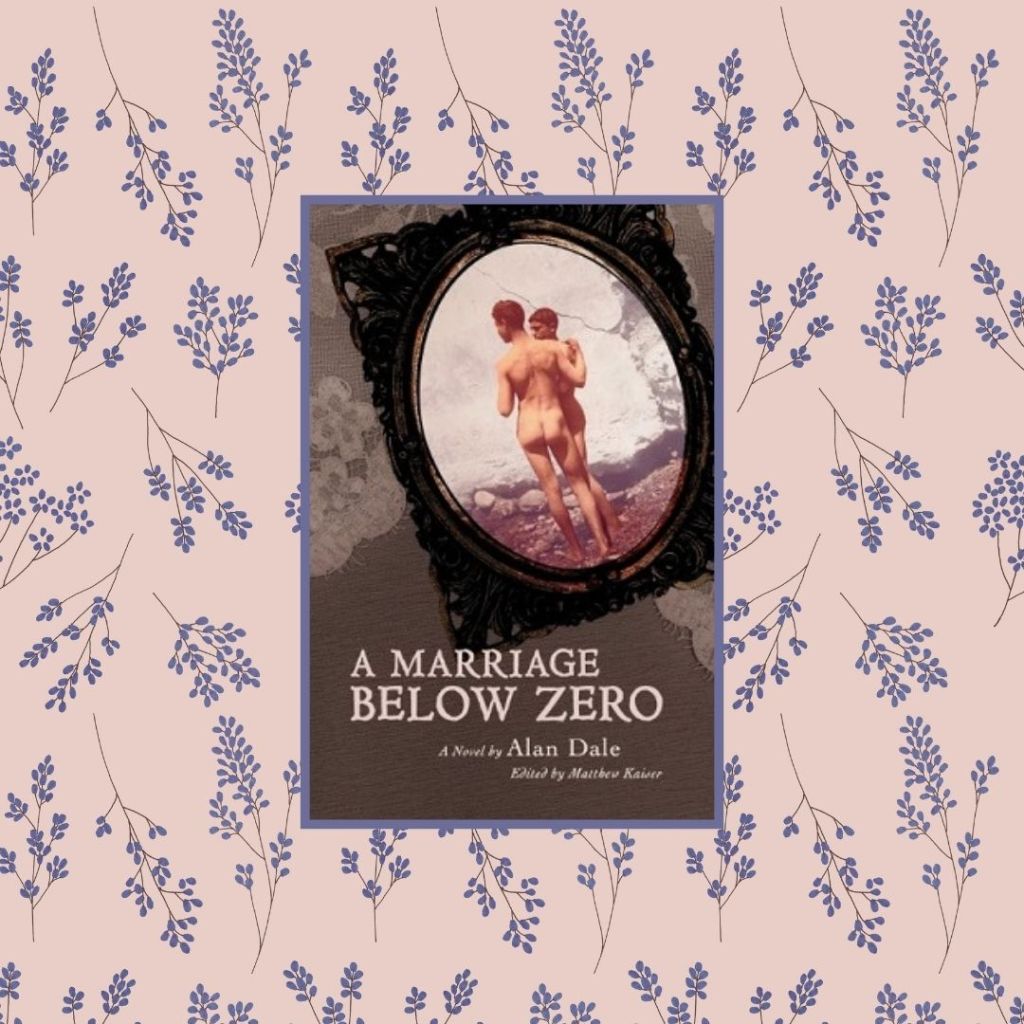
I recently discovered and read the 1889 melodrama often attributed as the first English-language gay novel, A Marriage Below Zero, written by Alan Dale. After finishing it, I was refreshed by its bold depiction of queer sexuality and baffled as to why it remains as obscure as it is.
For 1889, the homosexuality in the story is surprisingly obvious. While a work like Oscar Wilde’s 1890 The Picture of Dorian Gray was very queer in terms of themes and symbols, here, it’s not subtext; it’s the foreground. The characters’ relationship and sexualities aren’t explicitly labeled, however, I imagine even readers of the time put two and two together. While that is all remarkable in itself, progressive subject matter alone does not equate quality. So is the book any good? Well, for the most part, yes.
The story centers on Elsie, an unmarried, modern woman with little interest in men until she meets the charming and mysterious Arthur Ravener. He is intelligent and humorous and treats Elsie as an equal. The only downside: he spends all of his time with another man, Captain Dillington, whom Elsie immediately distrusts. Nonetheless, Arthur and Elsie continue to bond and he eventually proposes to her. They get married and set off to live in the Countryside together. Much to Elsie’s frustration, however, Arthur rushes off to London the very night of their honeymoon, and continues to abandon her every chance he gets in the following months. When she expresses her concerns, Arthur dismisses them, often gaslighting her into thinking his behavior is completely normal. Elsie loses her patience and takes matters into her own hands, finding out (if you haven’t already guessed) that he is having an affair with Dillington.
The work is greatly enhanced by the cleverness and comedic nature of Dale’s writing. The first chapter, for example, opens with Elsie telling the reader: “No, I shall not weary you with a long account of my childhood, and all that sort of thing. When I read a story, I always skip the pages devoted to the juvenile days of the hero or heroine. They are generally insufferably uninteresting, or interesting only to the writer…” only to follow up with multiple pages dedicated to an account of her childhood. The book is written with a humor and sweetness that I found particularly engaging. I was completely hooked by this comedic introduction.
While Dale triumphs as a writer, he ultimately does not demonstrate the same consistency as a storyteller. The novel suffers from poor pacing, especially during the middle chapters which drag on in a tedious pattern of Arthur doing something secretive and Elsie being suspicious. It is tiresome to read about the same frustration over and over again. While it must be more obvious to a reader in 2024 that Arthur is having an affair with Captain Dillington, I imagine even a reader in 1889 might have grown bored of the same repeating scenes. After all, affairs were not shocking in the 19th century, yet it takes Elsie a dreadfully long time to suspect one. Thankfully, when she does find out, the story picks up again, eventually catching Arthur in bed, naked, with Dillington.
A Marriage Below Zero is an important book and it deserves more recognition. Many people are completely unaware that 19th century queer literature exists in the first place! Obscure novels like this have the power to paint a more authentic picture of the time they were released in. Though it is flawed, there is something so special about reading a novel from 135 years ago that features a gay relationship, even if it isn’t destined for a happy ending. The novel was controversial and written by a fairly unknown theater critic, so it makes sense that it wasn’t a major success upon its release. However, for its subject matter, it is a highly significant piece of work that should no longer be lost to history.
 The Queerest
Leave a comment