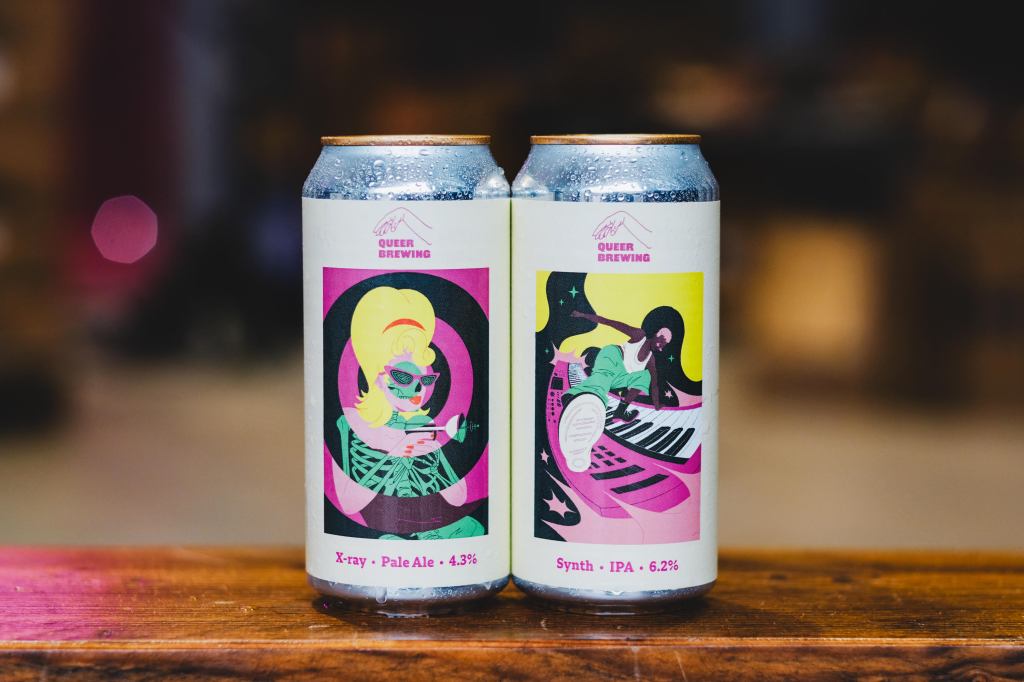
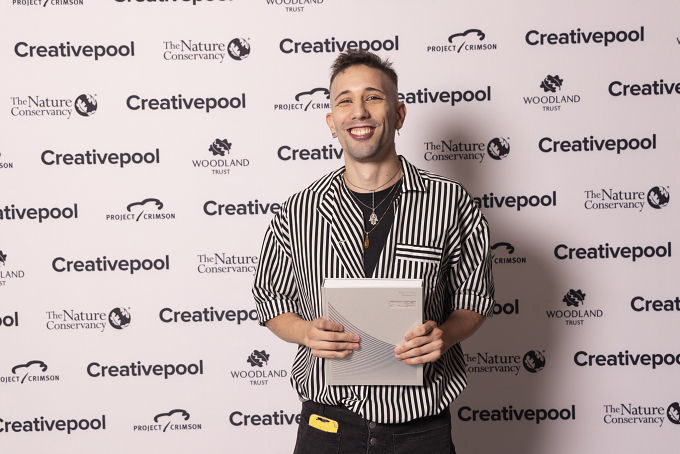
French illustrator Driss Chaoui (Kalakal) recently collaborated with Queer Brewing, the UK’s first queer- and trans-owned brewery, to celebrate Queer History Month. The project, celebrating Alan Hart and Wendy Carlos, received a Silver Award from Creativepool and was named a runner-up by Creative Quarterly this month.
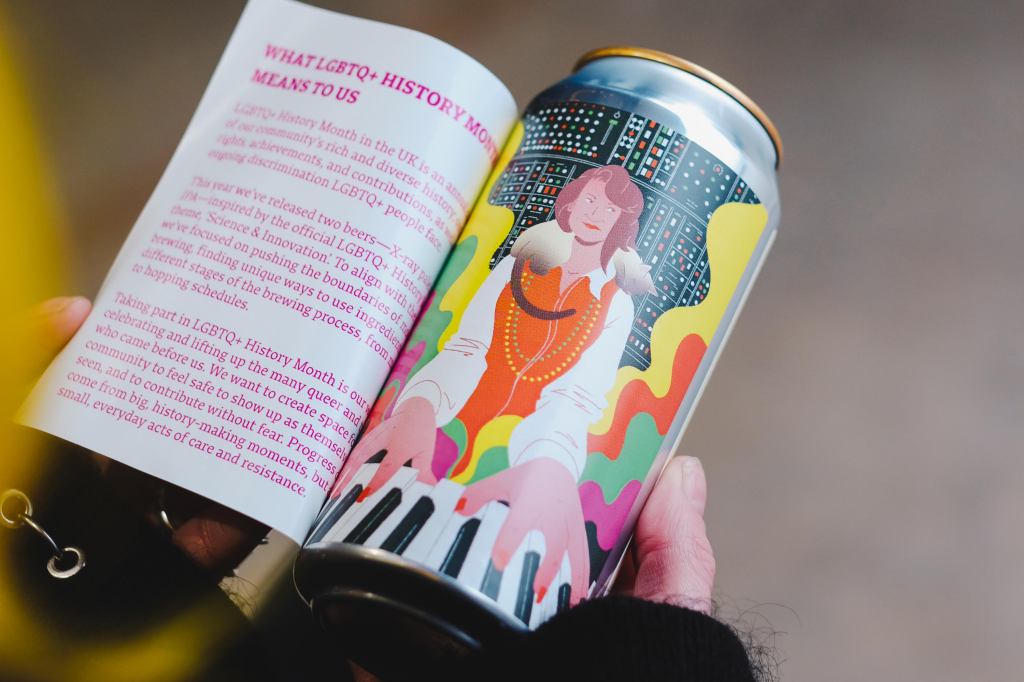
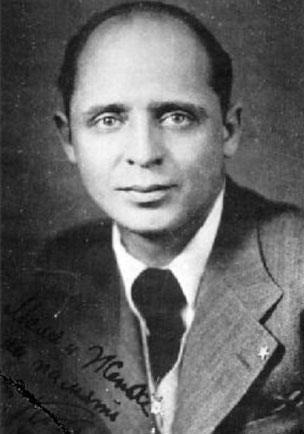
The project celebrates the impact of trans icons Hart and Carlos, whose work had a lasting impact on medical radiology and electronic music, respectively. Hart devoted much of his career to the treatment of tuberculosis, while Carlos helped bring synthesizers to mainstream audiences. Each packaging illustration includes a portrait of both innovators, as well as one original illustration.
Kalakal is a Toulouse-based, self-described “color enthusiast,” working across editorial, publishing, packaging, and commercial projects. Their work combines bold compositions and conceptual storytelling.
According to Kalakal, “The brief was very last minute. I immediately knew I wanted to represent Wendy and Alan in a very dignified way, but adding a fun touch to it. What do X-rays evoke to me? Well, apparently a 1960s weirdo with a beehive, somewhere between Mars Attacks and Juno Birch, but definitely campy as hell.”
Kalakal’s portfolio of art and other projects is available to browse online at kalakalillustration.com
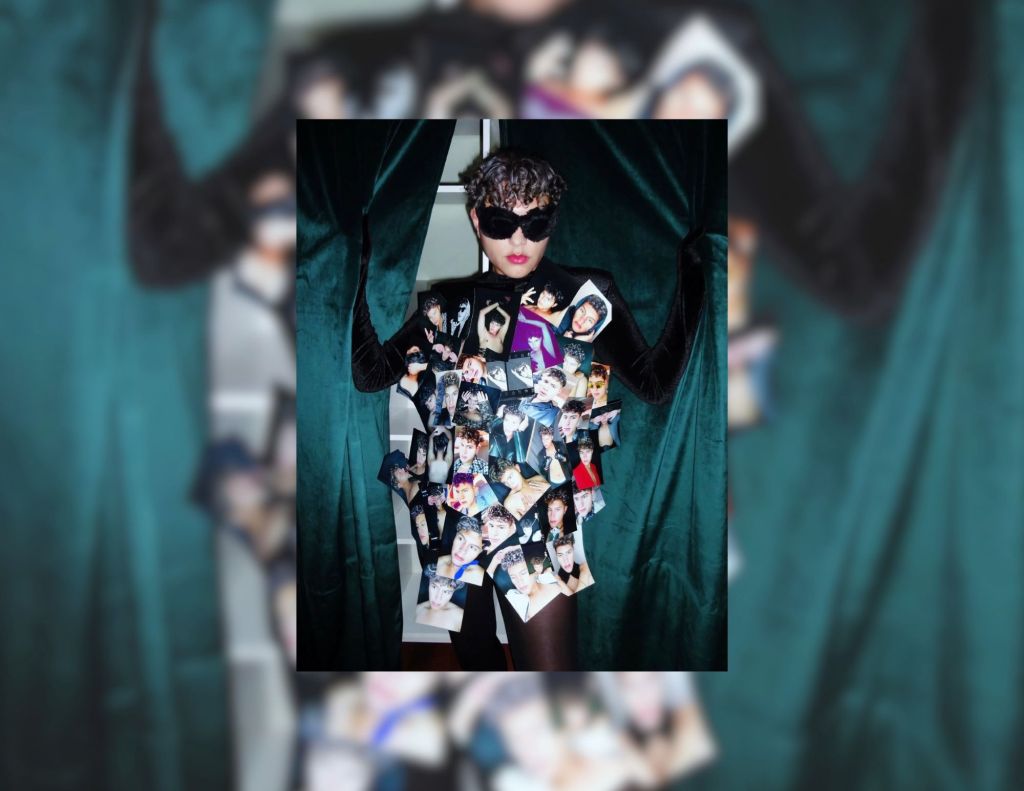
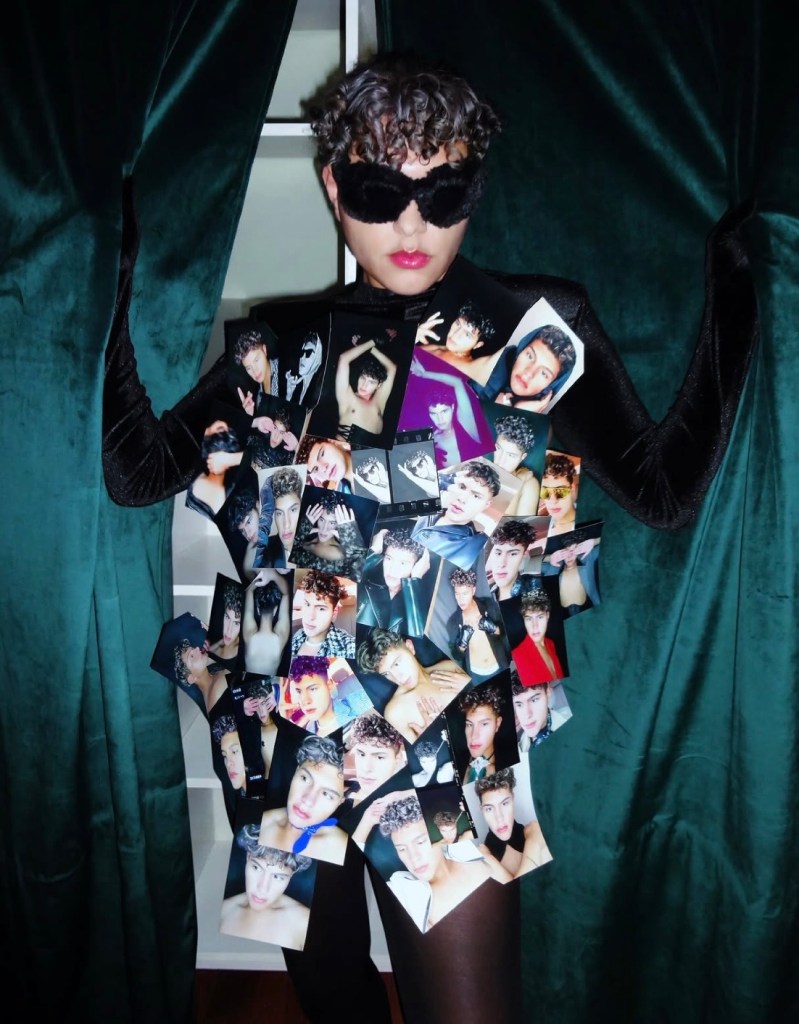
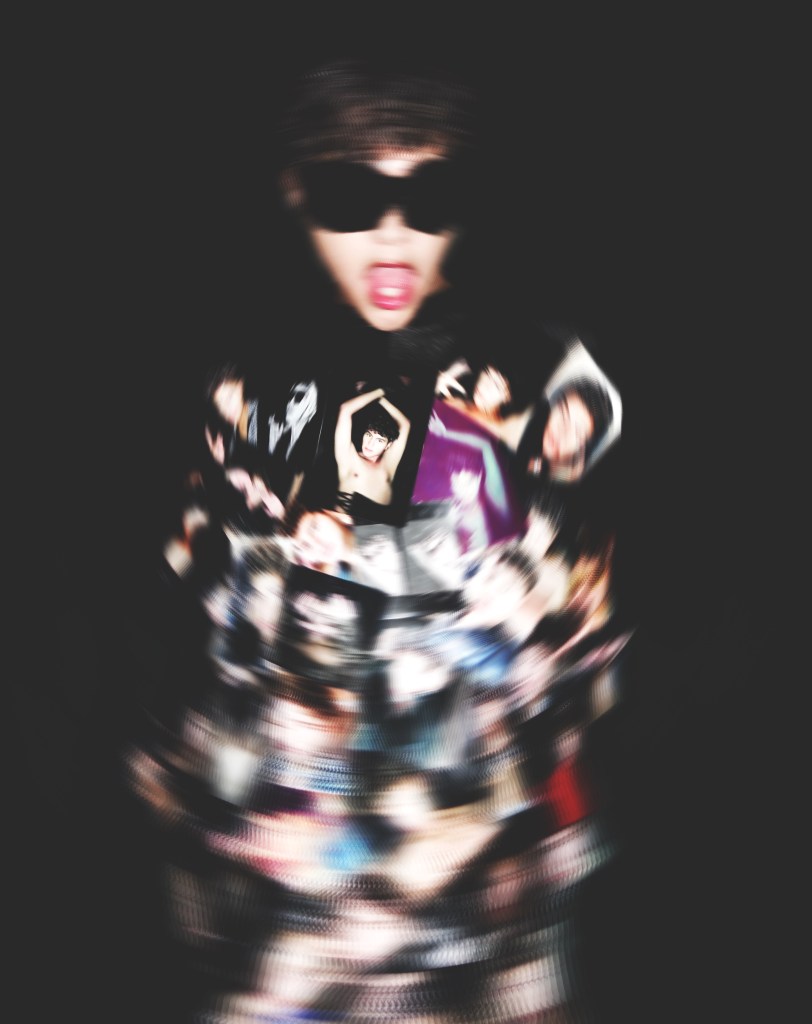
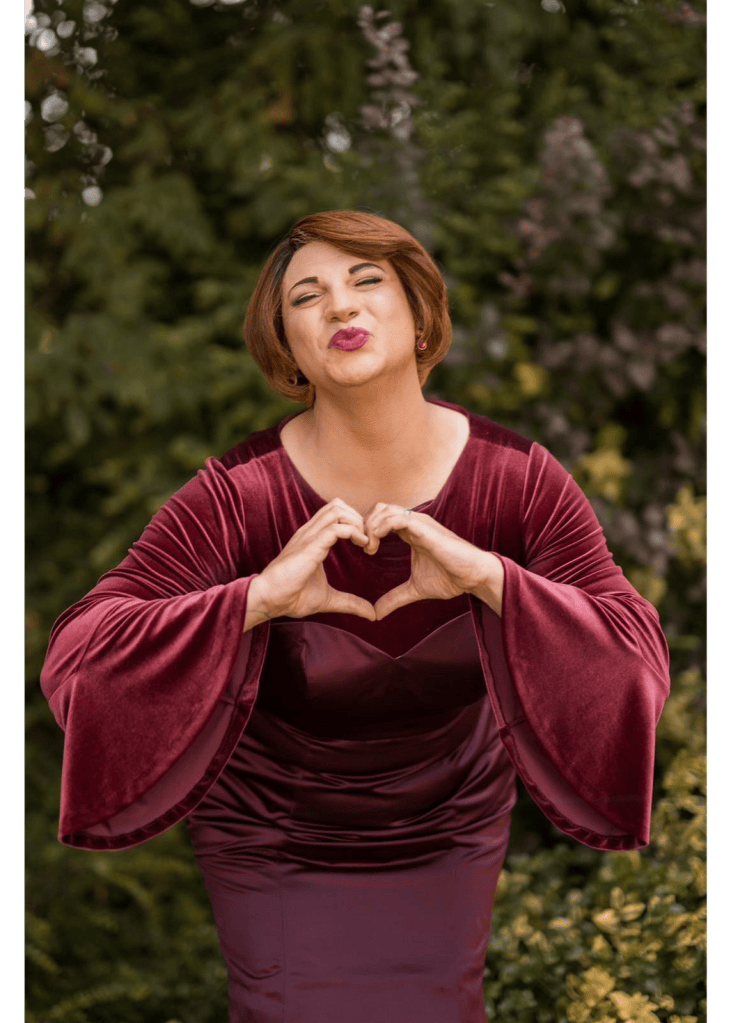
In one of my recent photo projects, I am standing in a black velvet high-neck cropped top with built-in gloves and fuzzy glasses, with photographs of myself covering the rest of my body. Different poses, different expressions, different versions of me are everywhere. It is excessive. Maybe a little narcissistic, but definitely intentional.
To understand why I wanted to literally wear myself, you first have to understand Zortifa.
My last name is Sorto. Growing up in a Salvadoran family, I learned that a family name could carry weight. There were expectations around what a son was supposed to look like, how he was supposed to act, and who he was supposed to become. But I also grew up hearing homophobic remarks from family, from people I loved, and from the culture I was learning how to exist within.
As I got older, I realized I did not want becoming a successful son to mean becoming somebody I did not recognize.
So I started changing things. I got piercings. I highlighted my hair. I grew it out and curled it. I wore fake hazel contacts because I liked the way I looked in them. I started using makeup to cover my rosacea. None of those things alone were some grand act of rebellion, but together they meant something to me. I was learning that I could participate in creating myself.
Somewhere in that process, Zortifa appeared.
The name still holds onto Sorto, but the ending sounds feminine to me. I liked that. Zortifa became a way of keeping where I came from while changing what I believed I was allowed to become. It felt like I was taking my last name and reshaping it into something that could actually hold more of who I was.
Elwim is not Zortifa, but Zortifa is Elwim.
Zortifa is louder. More exaggerated. More fearless. Zortifa is willing to play with femininity and masculinity without sitting there asking which one I am technically allowed to do. There is something almost like drag in it for me, not because I consider Zortifa a drag character, but because there is a performance involved. Sometimes performance gives you permission to express something that was already there.
The kindness in Elwim is still there. So is the insecurity and that little thought in the back of my head wondering what somebody else might say when I walk into a room.
Zortifa just gives those thoughts less authority.
Sometimes I describe it as feeling like myself without contamination. By contamination, I mean the expectations, shame, family roles, ideas about masculinity, and other people’s opinions that can get mixed into the way we understand ourselves before we even get the chance to decide who we are.
That does not mean Zortifa fixed everything.
Sometimes I wonder whether I know Zortifa better than I know Elwim.
I came out in my late teens, and Zortifa has really grown with me in my twenties. Part of me knows this confidence probably developed because I did not always feel affirmed for who I was growing up. When something helps you survive, it can become difficult to imagine who you are without it.
Maybe that is why putting the piece together felt more emotional than just mounting a bunch of pictures of myself onto a board.
Covering myself in photographs became almost like building a shrine to confidence. Some are polished. Some are strange. Some never made it onto Instagram. They are not all perfect, but together they helped construct the person standing in the photograph now.
The glasses cover part of my face, but I am still the lens through which I see my own life. The fuzzy textures feel luxurious to me. The velvet feels delicate, because I am delicate too. I do not think delicateness has to cancel out power.
And yes, there is ego involved.
I think sometimes we are taught to be embarrassed by openly liking ourselves. Too much confidence becomes narcissism. Too much sexuality becomes inappropriate. Too much femininity becomes a problem. Too much of anything becomes something other people feel entitled to correct.
I spent enough time feeling like I was not enough. I am interested now in what happens when I allow myself to be too much.
That has changed the way I approach photography too. I used to wonder whether a setting was beautiful enough for a picture. Now I ask something different. Does the background create the aesthetic, or can I?
I can take a picture next to a trash can and still eat.
Sometimes I do not need the background. The background needs me.
Art is subjective. I do not have to wait for a photographer, an editor, or somebody with more authority than me to decide that I am worth looking at. I can control the pose. I can control the movement. I can decide which photograph feels beautiful, strange, ugly, sexual, funny, or interesting.
I am an artist.
I can be my own muse.
That does not mean I think everything I create is perfect. Sometimes I like the shot a photographer might throw away. Sometimes beauty comes from what an image makes me feel rather than how closely it follows somebody else’s rules.
Lady Gaga has always inspired me for a similar reason. She did not become interesting by recreating everything the world already had. She created something that felt like her. I think we are put into boxes so easily that eventually we stop noticing the walls.
I have already broken out of a few of mine.
I am part of the first U.S.-born generation in my Salvadoran family. I was the first in my family to graduate high school and the first to earn a college degree. I became a veteran. I earned my master’s degree, and now I am working toward a doctorate.
I feel iconic saying that.
Not because I think I am better than anyone else, but because the younger version of me did not always know whether being fully himself and becoming successful could exist at the same time.
Now I know they can.
Zortifa gives me confidence, but they also leave me with questions. How much of Zortifa is armor? How much is art? How much is simply me? Will there ever be a version of Elwim who does not need to perform confidence first?
I do not know yet.
Maybe I am not supposed to.
For now, I can look at that photograph and see all of those versions of myself attached to one body. Masculine, feminine, insecure, confident, soft, sexual, strange, successful, unfinished.
They are all Zortifa.
They are all Elwim.
Becoming my own muse was never really about inventing someone better than myself. It was about finally giving every version of myself permission to exist. Giving myself permission to exist.
There is a question running beneath all of Jake Robertson’s work: What is it that makes us human, and what happens when someone tries to take that away?
Robertson (They/He) is a Soviet cultural historian, educator, theatermaker, and storyteller. They studied Slavic Languages and Literatures at Princeton, trained in acting at the Royal Conservatoire of Scotland, and recently completed a PhD at Oxford, where they researched professional theater inside Soviet Gulag camps.
But Robertson’s work has never been confined to the archive. They have taught Russian language, history, and theater to students around the world. Robertson’s scholarship examines the relationship between artistic expression and political control, exploring how culture survives and sometimes resists under authoritarian systems.
At the same time, Robertson’s career as a theatermaker and drag artist has taken him from Off-Broadway theaters to queer pubs to Shakespeare’s Globe.
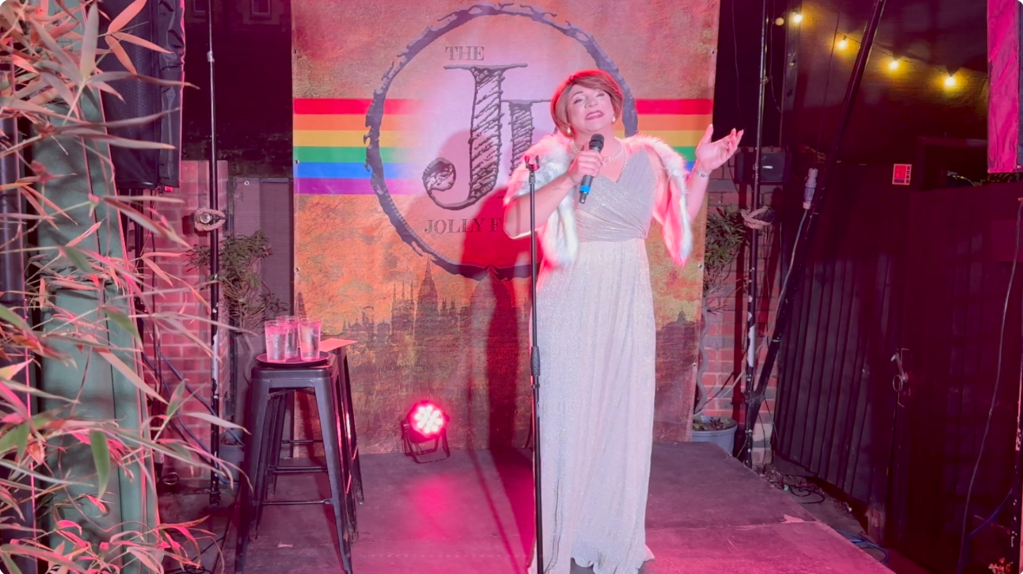
Robertson’s creative projects include Saundra Lezzenbaum: Love in Concert!, a one-woman drag spectacular combining original music, improv comedy, and couples therapy. Love in Concert! was just one of Saundra’s shows. Her current rep is a monthly community mixer called Saturday Night Love. It also combines comedy, cabaret, and group therapy in an effort to foster connections and build community.
There is also Songbird, a play in development that weaves together the life and music of queer Soviet cabaret icon and Gulag theater star Vadim Kozin with the story of a drag artist facing imprisonment in contemporary Russia.
On paper, these worlds might seem impossible to reconcile. An Oxford historian and drag performer. Soviet archives and comedy clubs. Gulag theater and queer performance. But for Robertson, they are all part of the same lifelong inquiry.
“What binds us all together, while at the same time making us wholly unique?”
Birch bark letter from Siberia.
The Search for What Connects Us
Robertson’s fascination with humanity has always existed between individuality and belonging.
For much of Robertson’s early life, they carried the weight of a divided identity. They describe spending two decades closeted, negotiating questions about who they were and how openly they could live.
“I began as a nerdy sensitive gay boy in the Midwest and now have broken out of the binary and embrace an expansive queer identity that transcends gender and sexuality, shaping my perspective on almost everything,” Robertson says.
“Now that I have embraced who I am and opened that up more and more, I have become even more interested in bringing us together and what we all share.”
Whether sitting in an archive in Siberia researching a forgotten performer, or stepping onto a stage as Saundra Lezzenbaum, Robertson keeps returning to the same essential human longing. To be recognized.
“There is something magical that happens when you can be seen by someone else,” Robertson says. “We are vast and complex, but in some profound way, we want to be seen.”
For Robertson, that recognition carries almost spiritual weight.
“Namaste,” comes to mind. “The divine in me sees the divine in you.”
That belief may seem far removed from the brutal realities of Soviet repression, but Robertson sees the same human impulse everywhere: the desire to connect and find meaning even in circumstances designed to destroy those possibilities.
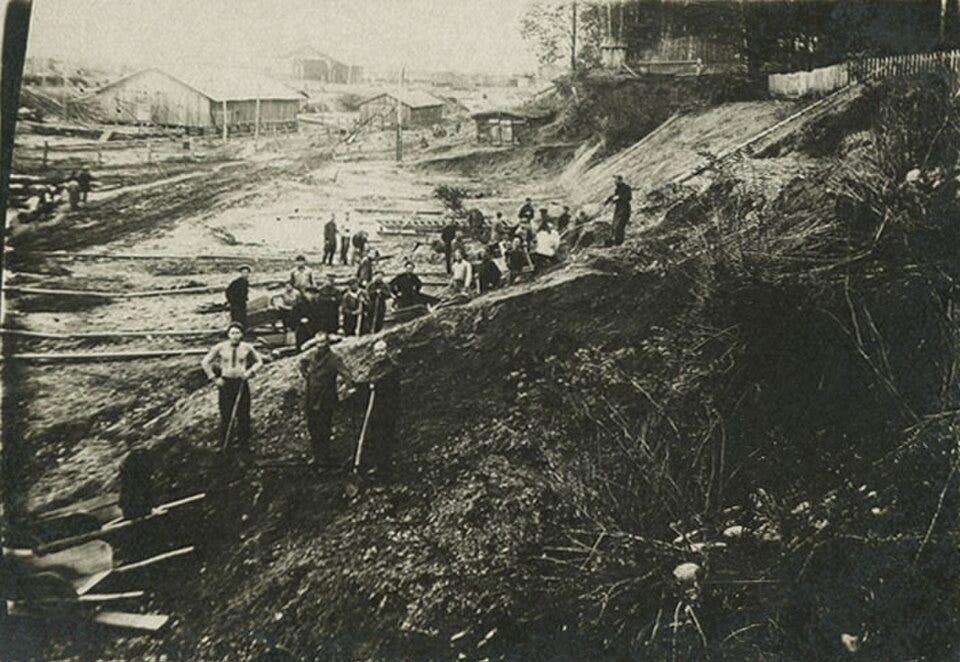
Gulag work.
The Stage Behind the Barbed Wire
Robertson’s doctoral research examined one of history’s most unlikely artistic landscapes: professional theater inside the Soviet Gulag.
The Gulag system was built around forced labor and political control. It was designed to extract productivity from millions of prisoners while attempting to reshape them according to Soviet ideology.
Yet within that system, something unexpected emerged: Theater.
“I got into Gulag theater through memoirs,” Robertson says. “Through these experiences in the camps, I felt this connection to the artists.”
Prisoners who had been actors, directors, musicians, and designers before their imprisonment continued creating. Others found artistic roles within the camps. They built stages, organized performances, designed sets, and produced operas and plays, all while receiving the support and resources of local Gulag administrators.
Within the very system that sought to destroy their humanity, these artists found a way to preserve that humanity through their art.
For Robertson, this transformed his understanding of creativity.
“As a theater maker and a creative, it gave me a deeper reverence for the creative act as an expression of your identity…There is something about revering that act.”
Art was not simply entertainment but proof of existence. It was a declaration.
I am still here.
Robertson’s research also complicates easy narratives. Gulag theater was not simply a story of heroic resistance. The performers often faced impossible moral questions. Some felt guilty because theater offered them privileges unavailable to others. Some prisoners accused them of collaborating with camp authorities.
“The people who survived,” Robertson explains, “are the ones whose memories we are reading.”
History, like humanity itself, is complicated.
“That spectrum of humanity and barbarity is fascinating… The same camp boss who took up the role of patron-of-the-arts, who joyously cheered for the Gulag opera, also oversaw a regime of mass starvation, exploitation and death.”
The contradiction is unsettling. But it is also revealing. History does not only show us what people do. History forces us to contemplate the contradictory vastness of being human.
Robertson’s dissertation will be a book set for release in 2028 with Cornell University Press.
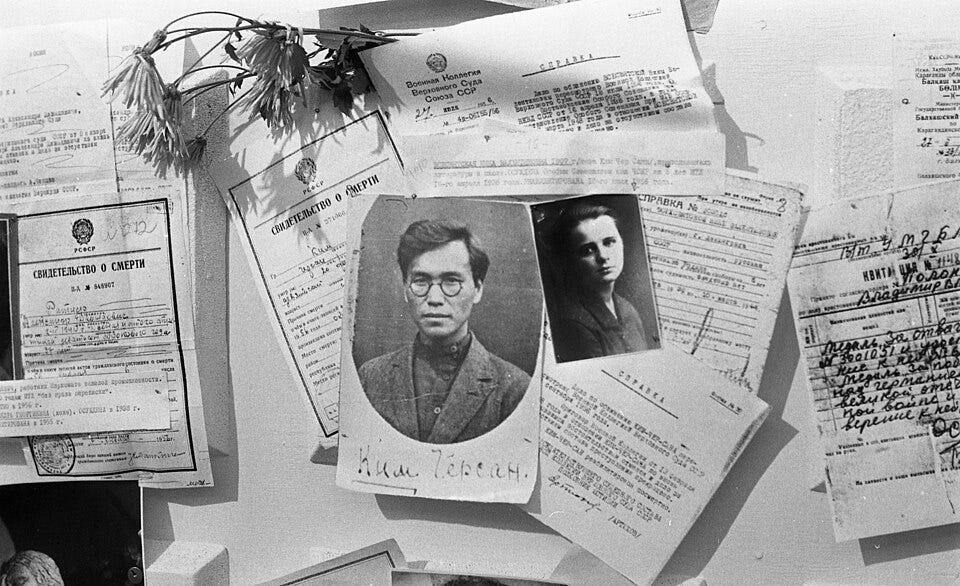
Documents of the Gulag’s victims.
Why Authoritarians Fear Stories
For Robertson, the struggle over history is ultimately a struggle over storytelling.
“Stories were everything. All human institutions and civilizations are built around stories.”
Governments use stories to create national identity, justify policies, and define enemies. The Soviet Union carefully constructed narratives about progress and the inevitable triumph of communism.
But stories are dangerous because they can never be fully controlled. They can also complicate official narratives.
“I believe official narratives are also a form of storytelling, and a powerful one at that. But our stories, especially those that illuminate the expansive complexity of human reality, can also serve as an incisive challenge to those hegemonic discourses. That to me is the power of queer stories, the kind that refuse to submit to norms, conventions and binaries.”
Authoritarian systems often demand simplicity: one truth, one version of history, one acceptable identity. But human experience resists simplicity.
“Reality is more complex,” Robertson says. “That complexity is exactly what my work seeks to preserve.”
“The story of Gulag theater would have been lost to the snowdrifts of time were it not for the local historians, survivors, descendants who preserved those memories and materials. My goal with my decade of research was to do my part to make sure they did not die and disappear.”
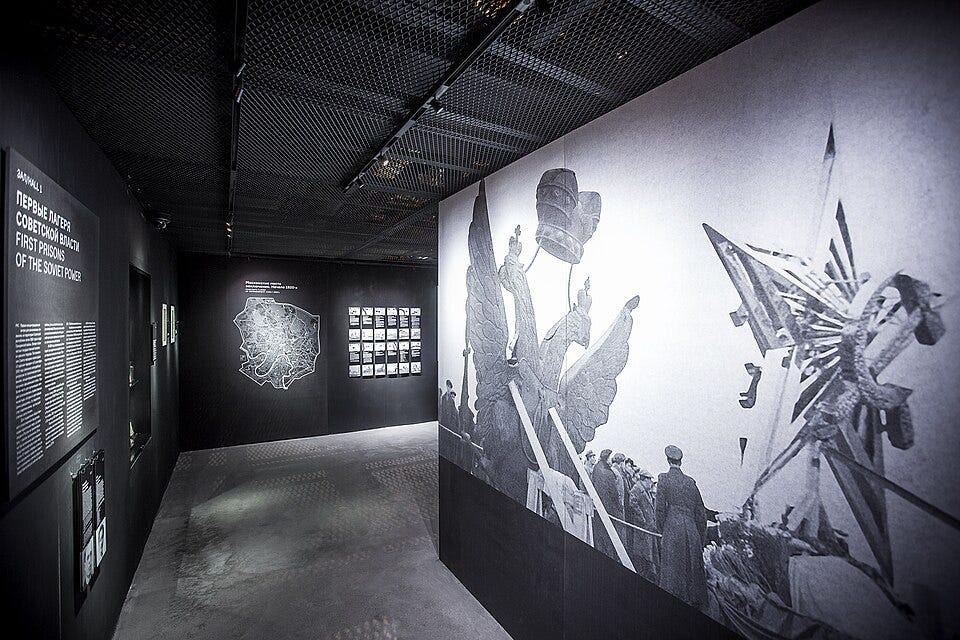
Exhibition of the GULAG History Museum.
Historians are trained to analyze evidence carefully. Artists are trained to explore possibility. Robertson believes both are necessary and mutually enriching.
“I have years of training as a serious historian and as an artist. There is something to be said about the reality and limits of our knowledge, understanding what we can and cannot know for certain.”
But scholarship cannot remain locked away.
“It can’t exist in a vacuum. We need to communicate what we learn and share it.”
At NYU, Robertson went on to create a brand new multidisciplinary course on Soviet Theater. It was called “Soviet Stages: Theatre as Revolution, Repression & Resistance in the USSR.” This fall, they will teach Introduction to Theatre Studies, building the course around the frame of drag and performing gender onstage and off.
“When we did the scenes in class, we learned much more,” Robertson says, reflecting on Soviet Stages. “We could never get that just from words on a page. The artist enlivens and brings to life so many new things that we cannot do as researchers.”
That philosophy informs Saundra Lezzenbaum, Robertson’s drag persona.
Saundra Lezzenbaum is a fictional character, drag cabaret persona, and self-proclaimed “America’s Queen of Hearts” whose larger-than-life mission is to rescue romance one laugh at a time. Hailing from her “palatial duplex in Ronkonkoma, Long Island,” Saundra presents herself as a world-famous love coach, matchmaker, and relationship expert whose improbable résumé includes a cosmetology background, a lunchtime Emmy-winning television show called Queen of Hearts on The CW, and a collection of wildly imaginative self-help books, including Married to Menopause: Keeping Things Hot Through the Hot Flashes and her love memoire Heart Attack, the Good Kind.
At the center of her carefully crafted mythology is her supposedly flawless marriage to her beloved husband, Max Lezzenbaum, which she uses as the foundation for her advice on achieving “#PerfectMarriage” bliss. In performance, Saundra becomes a comedic Cupid for the modern age, hosting interactive New York City mixers, cabaret shows, and variety events aimed at solving what she jokingly calls the city’s “Cost of Loving Crisis.”
Through her one-woman musical comedy spectacular Love in Concert!, featuring original parody “Saungs” from her fictional album Saungs for a Perfect Marriage, and her audience-driven “Love Lezzons,” where she improvises relationship advice based on real dating dilemmas, Saundra blends satire, theater, and audience participation into a joyful exploration of love and the absurdities of modern romance.
For Robertson, drag is not an escape from serious scholarship. It is another form of historical inquiry. A way of asking: Who gets to be visible and who gets to imagine another version of themselves?
“By doing drag as a community mixer, it combines celebration of individual identity with a commitment to bringing us together and building real human connection.”
Remembering People Well
Robertson’s projects repeatedly return to forgotten voices.
His genealogy project, Ancestory, transforms family history into narrative experience. It asks people to confront their ancestors honestly, not as perfect heroes or permanent villains, but as complicated human beings shaped by their circumstances. Ancestory weaves together rigorous archival archeology and inspired people-centered storytelling, fostering an accessible personalized journey through your family tree. This unique ancestry experience is curated by Robertson.
The play Songbird continues this work by exploring the life of Vadim Kozin (1903–1994), a queer Soviet cabaret icon whose career was transformed by Stalinist repression. Known as the “Soviet tango king,” his powerful, lyrical voice blended traditional Russian romance with gypsy soul.
In 1944, at the height of his fame, Kozin suddenly vanished from public life. He was arrested by the Soviet secret police and charged with homosexuality, which was criminalized under Joseph Stalin’s regime. Convicted and sentenced to hard labor, Kozin became the star of the Gulag Theater of Magadan.
The details shift but the mechanisms remain. The attempt to silence certain identities is an attempt to decide whose lives are worthy of recognition.
Vadim Kozin
Near the end of our conversation, Robertson considers a thought experiment: What if tomorrow every archive disappeared? Every book. Every historical document. Every official record. What would remain?
Human storytelling.
What stories would they fight hardest to preserve?
The stories of connection and creativity. The stories of people who found ways to remain human in the face of inhuman circumstances.
“I guess what comes to mind,” Robertson says, “is that there is something in us all that connects us.”
A historian might hesitate because such a statement is difficult to prove. But Robertson has spent their life witnessing it. In Soviet archives and on theatrical stages. In classrooms and in moments of performance and vulnerability.
“There is something that does unite us at our core. And it can be seen by people of vastly different experiences.”
Perhaps that is the thread running through everything Jake Robertson does.
The historian searches the past for forgotten voices. The teacher shares knowledge across cultures. The storyteller preserves complexity. The performer creates spaces where people can be fully seen. And beneath it all is a belief that may be the most radical story of all: Even in the darkest places, human beings continue creating. They continue connecting. They continue telling one another:
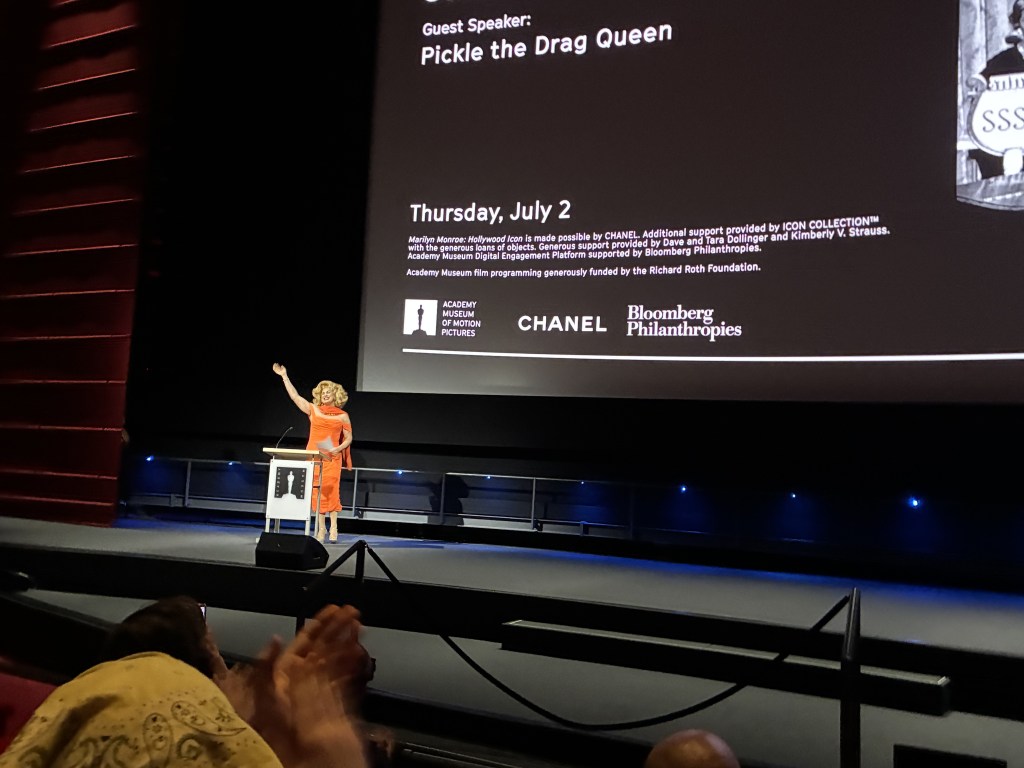
The Academy Museum of Motion Pictures in Los Angeles celebrated the career of Marilyn Monroe with an exhibition in her honor: “Marilyn Monroe: Hollywood Icon,” featuring screenings of her films as well as original photographs, scripts, letters, costumes, and rare personal items on display for the first time ever.
On Thursday, June 2, the museum screened a 4K restoration of Some Like It Hot, with Drag Laureate of West Hollywood, Pickle, presenting the film.
Wearing a recreation of one of Monroe’s many iconic costumes from Gentlemen Prefer Blondes, Pickle inspired the audience with her discussion of the icon and her history with Some Like It Hot, calling the film “quintessentially Marilyn.”
After she praised Monroe’s performance, Pickle compared the control Monroe exerted over her image and presentation to that of a drag queen, stating:
“In drag, we conceal aspects of ourselves with big hair and makeup, or padding or costuming, but the irony is that in doing so we reveal a deeper truth about who we are. I like to say that in acting, you’re always in service of a bigger story being told, but in drag, you are the story. Marilyn embodied that, both in her work and her public life, and was very intentional about the story of Marilyn.”
Billy Wilder’s Some Like It Hot is a classic comedy from 1959 known for its queer undertones. The film stars Tony Curtis and Jack Lemmon as two down-on-their-luck jazz musicians who disguise themselves as women after witnessing a mob murder, hiding out in an all-female band.
Curtis and Lemmon spend the majority of their screentime in drag and often find themselves in overtly queer scenarios like when Lemmon is courted by a wealthy retiree and seems to genuinely express excitement over his marriage proposal.
A drag performer named Barbette, a popular female impersonater from Paris in the 1920s/30s, was even hired on set to teach Curtis and Lemmon how to impersonate women.
This queer material was very bold for the 1950s. All Hollywood movies at the time were expected to receive a seal of approval from the Motion Pictures Producers and Distributors of America but Some Like it Hot was considered too inappropriate. However, despite the disapproval of the Hays office, the studio released the film anyways and it ended up performing extremely well, which helped loosen censorship in Hollywood down the line.
For those who missed this screening and any others in the Monroe series, the exhibition will remain open through February 2026, and the screenings will return in the fall. Specific dates are yet to be announced.
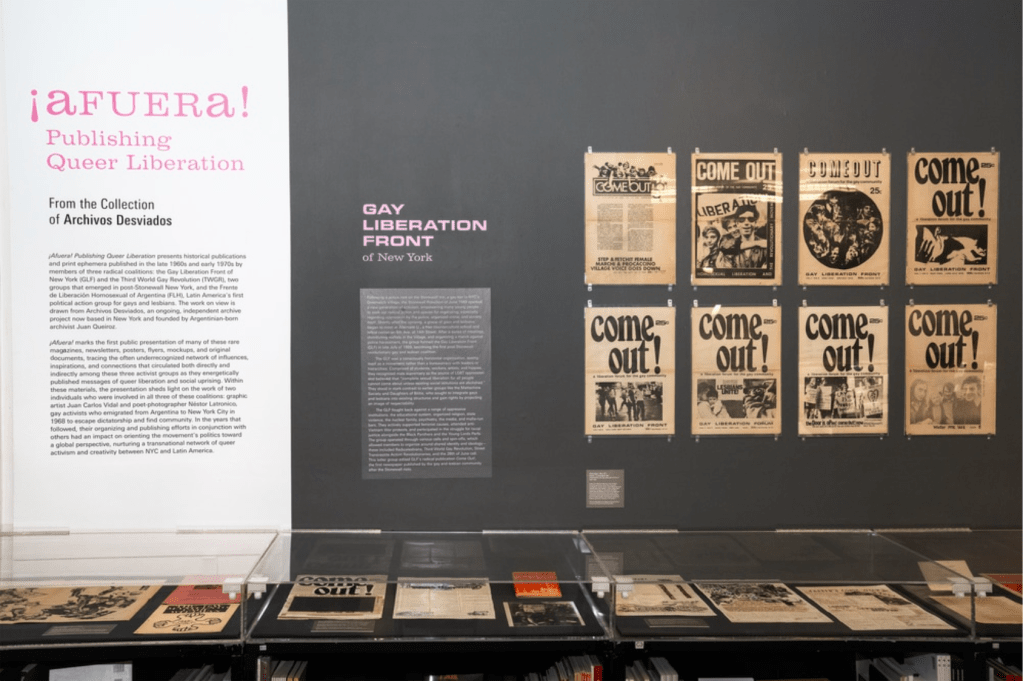
The Queerest attended Printed Matter’s exhibition ‘¡Afuera!: Publishing Queer Liberation’ at its 13th annual LA Art Book Fair, which took place from May 7 to 10, 2026, at ArtCenter College of Design in Pasadena, California.
¡Afuera! marked the debut L.A. exhibition of several historical publications and print ephemera published in the 1960s and 1970s by members of three radical coalitions: New York’s Gay Liberation Front (GLF) and Third World Gay Revolution (TWGR), and Argentina’s Frente de Liberación Homosexual of Argentina (FLH). The exhibition’s rare posters, flyers, newsletters, and magazines shed light on the organizing and publishing efforts of a network of determined social, political, and cultural activists of the era.
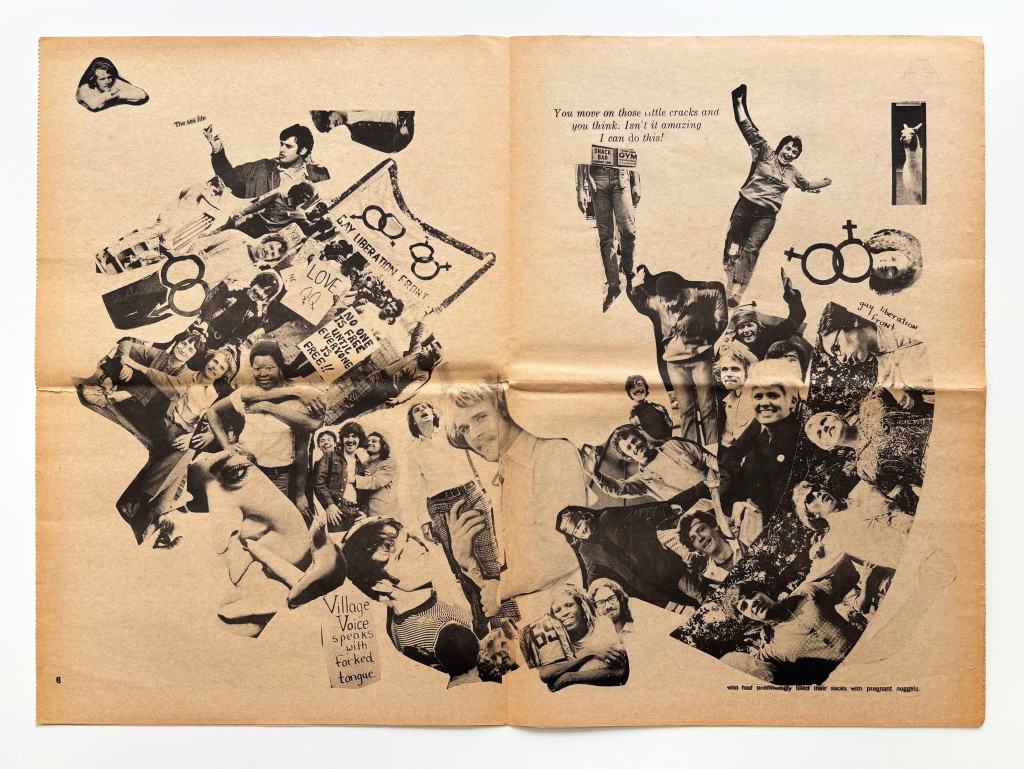
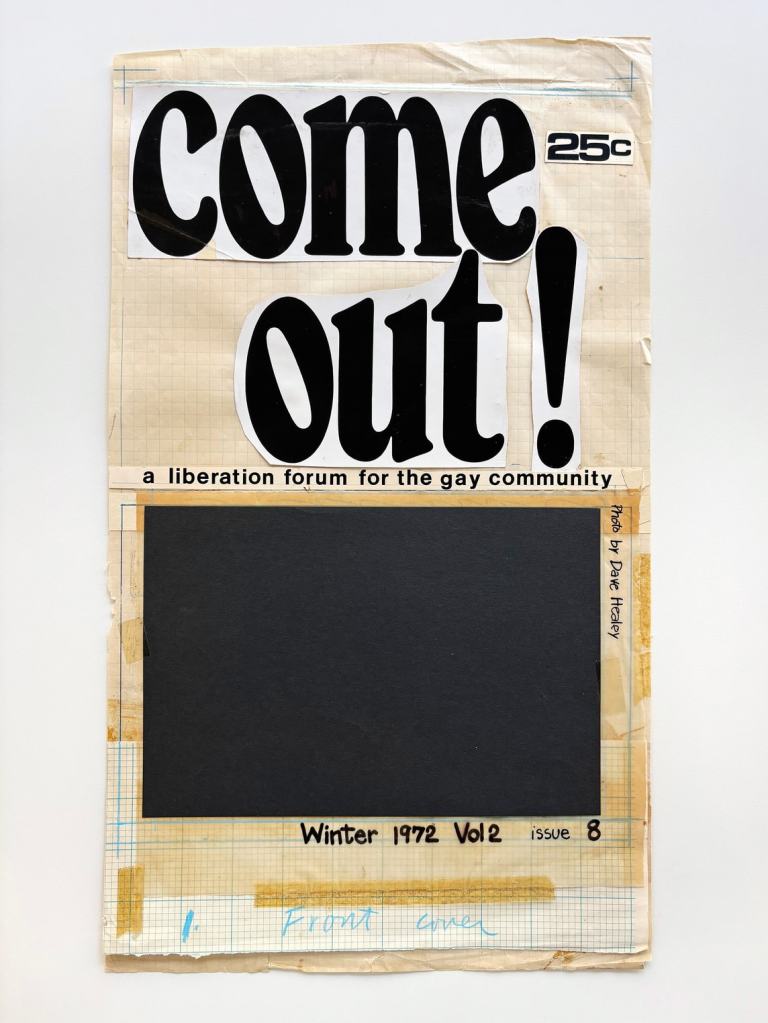
¡Afuera! highlights the work of graphic artist Juan Carlos Vidal and poet-photographer Néstor Latrónico, gay activists who emigrated from Argentina to New York City in 1968 to find a new community. Vidal and Latrónico collaborated on illustration and graphic design for the GLF’s newspaper, Come Out!, and for the FLH’s publication Afuera and its bulletin Somos. Examples of their publications, including all issues of Somos and a mock-up cover of Come Out!, were on display.
Vidal and Latrónico used visually striking, often colorful publications to draw attention to their queer activism and their messages of intersectional liberation, anti-imperialism, and anti-capitalism. The exhibition highlights the role that artist- and community-run printing projects played in sharing resources and information among queer activists in a pre-Internet age.
Original cover mock-up of Come Out! Issue 8, Winter 1972, published by the Gay Liberation Front of New York. Courtesy Archivos Desviados.
The exhibition is drawn from the New York-based collection of Archivos Desviados, which was created by Argentinian-born archivist Juan Queiroz in 2019. The ongoing, independent archive preserves thousands of historical documents from queer movements.
Learn more at printedmatter.org/afuera, and follow Archivos Desviados on Instagram @archivosdesviados.
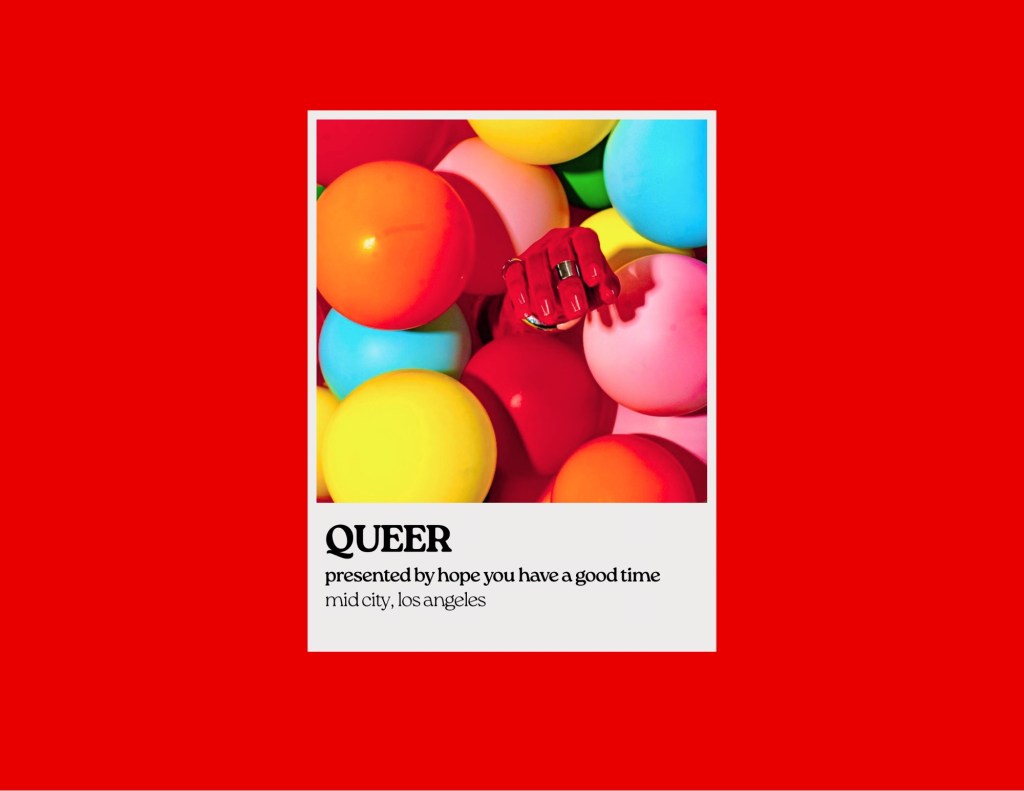
QUEER x hope you have a good time is an art show in Mid-City Los Angeles, bringing together over 20 artists responding to the following quote from Bell Hooks:
“[queer] not as being about who you’re having sex with – that can be a dimension of it – but queer, as being about the self that is at odds with everything around it and has to invent and create and find a place to speak and to thrive and to live.”
HYHAGT × QUEER explores the self at odds with the surrounding world, featuring art installations from 20+ artists, tarot card reading, community art experiences, donation-based drinks, and a DJ set by Emily Alegria.
The marketplace and gallery will be open on May 30th from 5-10pm.
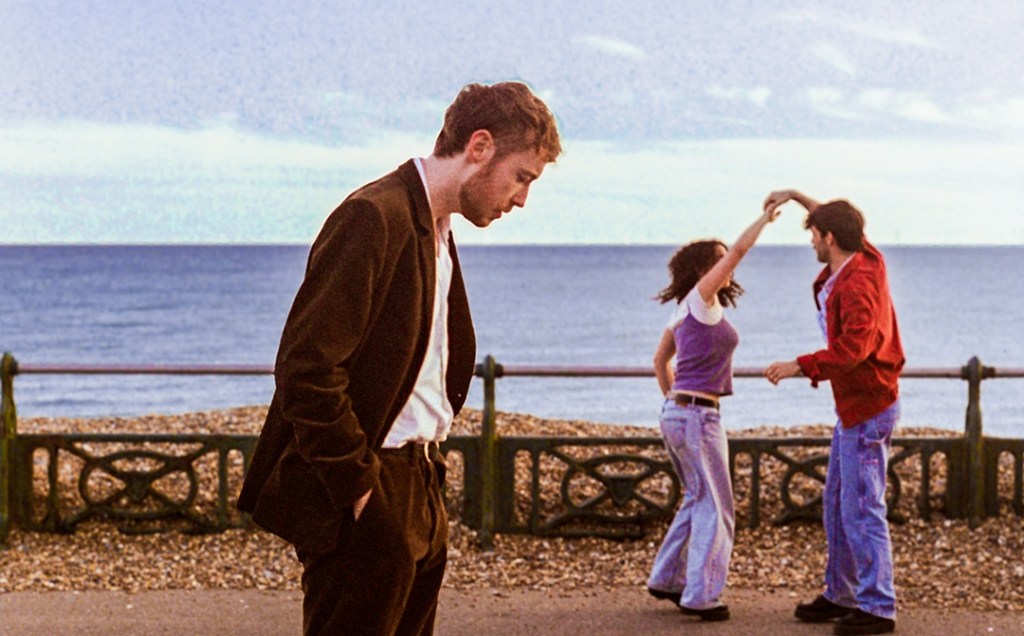
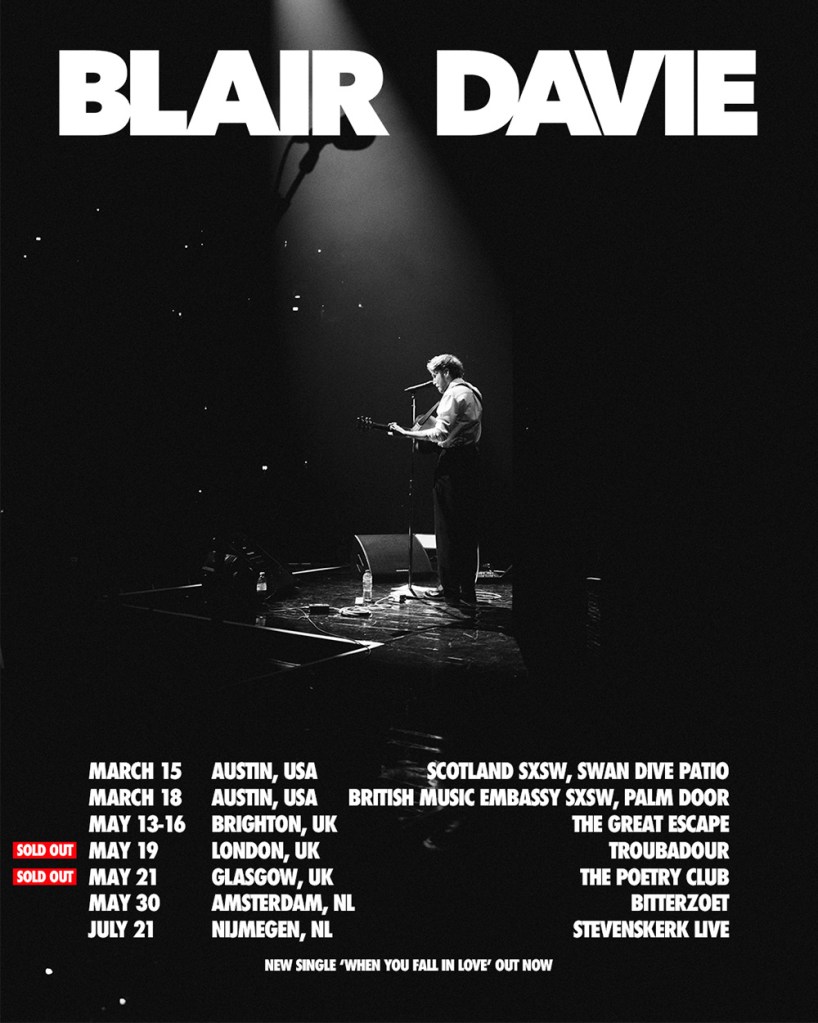
Openly queer and non-binary singer Blair Davie released the single So What on May 13th, featuring not only the title song but an additional track, “When You Fall In Love,” which was initially released as its own single on March 11th.
Known for songs like “Lovely,” “Butterflies,” and “Wouldn’t Be Right,” Davie frequently showcases passionate, raw vocals and heartfelt lyrics. Romance is a recurring motif in their music, and this latest release is no exception.
“So What?” is a passionate declaration of love, with Davie singing, “I think we’re set for life,” transitioning into the chorus, which expresses finding happiness through love, after years of “hell,” and essentially asking their partner if they feel the same, ending the song with:
"And I got my eyes on you
And I bet my life on you
Spent all of my time on you
So what are you gonna do?"
The lyrics are sugary sweet with an upbeat, perky melody to match. It’s a lovely feel-good expression of love and finding someone you want to spend the rest of your life with.
“When You Fall In Love,” on the other hand, has a much more somber, soulful sound, but an equally romantic message. With beautiful acoustic instrumentation accompanied by Davie’s soft hums, the lyrics read almost like a letter to Davie’s past self, feeling isolated and broken, urging them to hang in there because good things are on the horizon.
"Good things just need the right time
And you don’t know yet
But it’s coming
Someone’s out there, yeah
Makes it worth it"
Through love, Davie has found stability and a sense of belonging, soulfully declaring quite frankly, “When you fall in love/ It’ll save you.”
The song is melancholic yet hopeful, with Davie sending love to their past self, who was hurting and alone, now feeling healed and in a healthy, loving relationship.
These two songs showcase Davie’s versatility and mark an exciting start to 2026. The singer is currently on tour through July 21, and their next EP, “You Like Ugly, Don’t You Babe?” is coming out on September 9th, 2026.
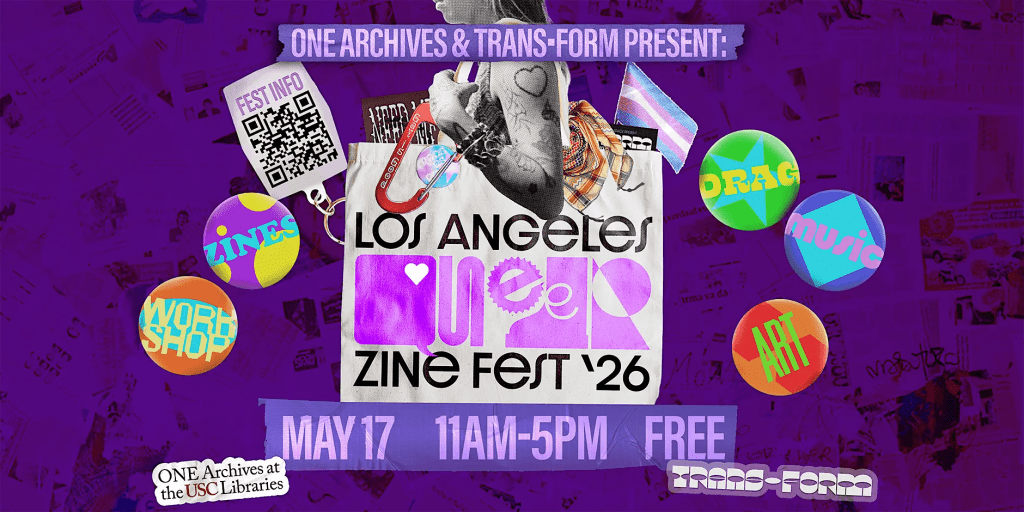
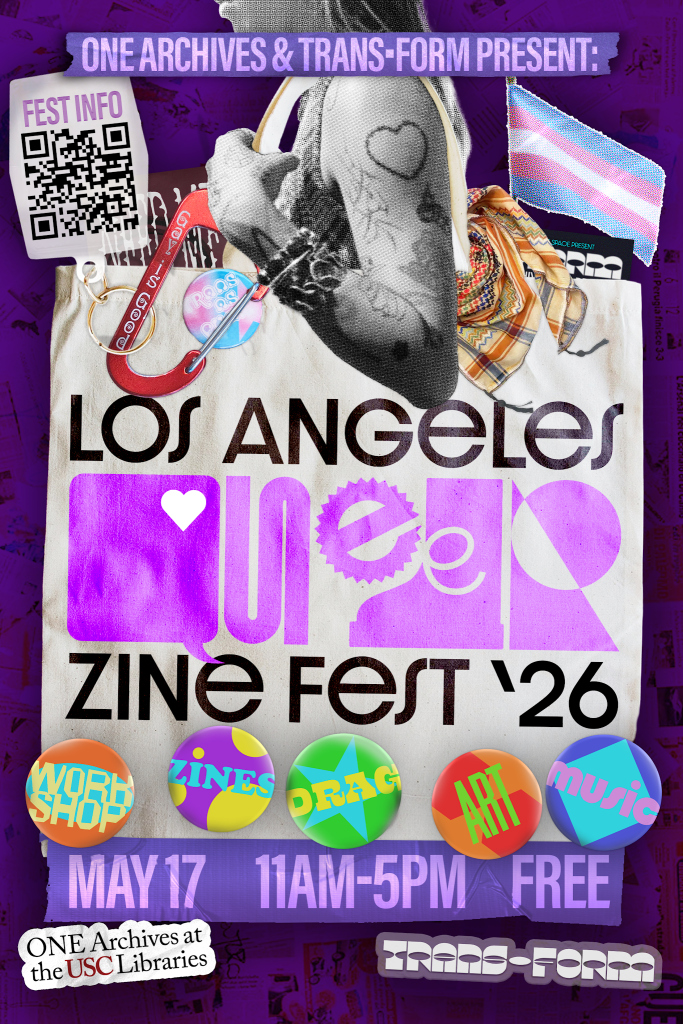
Los Angeles Queer Zine Fest, a one-day celebration of queer and trans zine makers, artists, printmakers, publishers, and performers, is taking place this Sunday at the ONE Archives at the USC Libraries. The event will combine:
(1) 45+ queer and trans-identifying vendors; (2) live drag performances, music, and poetry; and (3) a zine-making workshop.
Per the ONE Archives, zines “have long been a tool for queer and trans people to document our lives, share resources, tell our stories, build community, and create outside of traditional publishing.” Building on this tradition, the L.A. Queer Zine Fest intends to “platform queer voices and encourage participation in the preservation and celebration of queer history.”
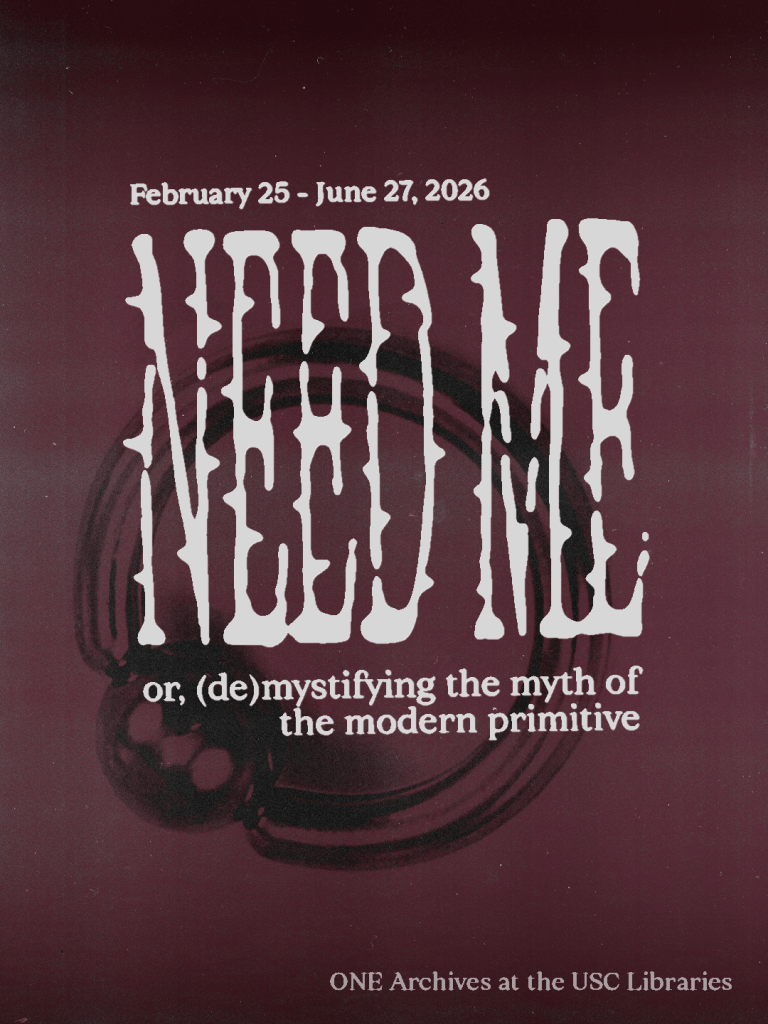
During the 2026 Fest, guests are encouraged to visit NEED ME, or, (de)mystifying the myth of the modern primitive, which is billed as “the first ever public exhibition to present the Western history of body piercing and its roots in queer history.” NEED ME will highlight the artwork and ephemera of queer individuals who were essential to modern piercing history, including Catherine Opie, Ron Athey, Bob Flagan & Sheree Rose, Leigh Bowery, Annie Sprinkle, and Efrain Gonzales.
Founded in 1952, the ONE Archives is the largest repository of LGBTQ+ materials in the world, containing millions of items including art, books, films, videos, audio recordings, and periodicals. The Fest is presented by TRANS•FORM, a growing programming series of workshops, performances, and community events which “creates space in the world for trans people through art, resources, and collective care.” The Fest is free of charge and open to the public. RSVP is not required, but encouraged. The Fest will take place in the ONE Archives parking lot. Public transportation (Metro E Line) is encouraged. Aside from street parking, a paid lot is a 2-minute walk from the Fest.
May 17, 2026, 11 a.m. to 5 p.m. Free ONE Archives at the USC Libraries, 909 West Adams Boulevard, L.A., CA 90007
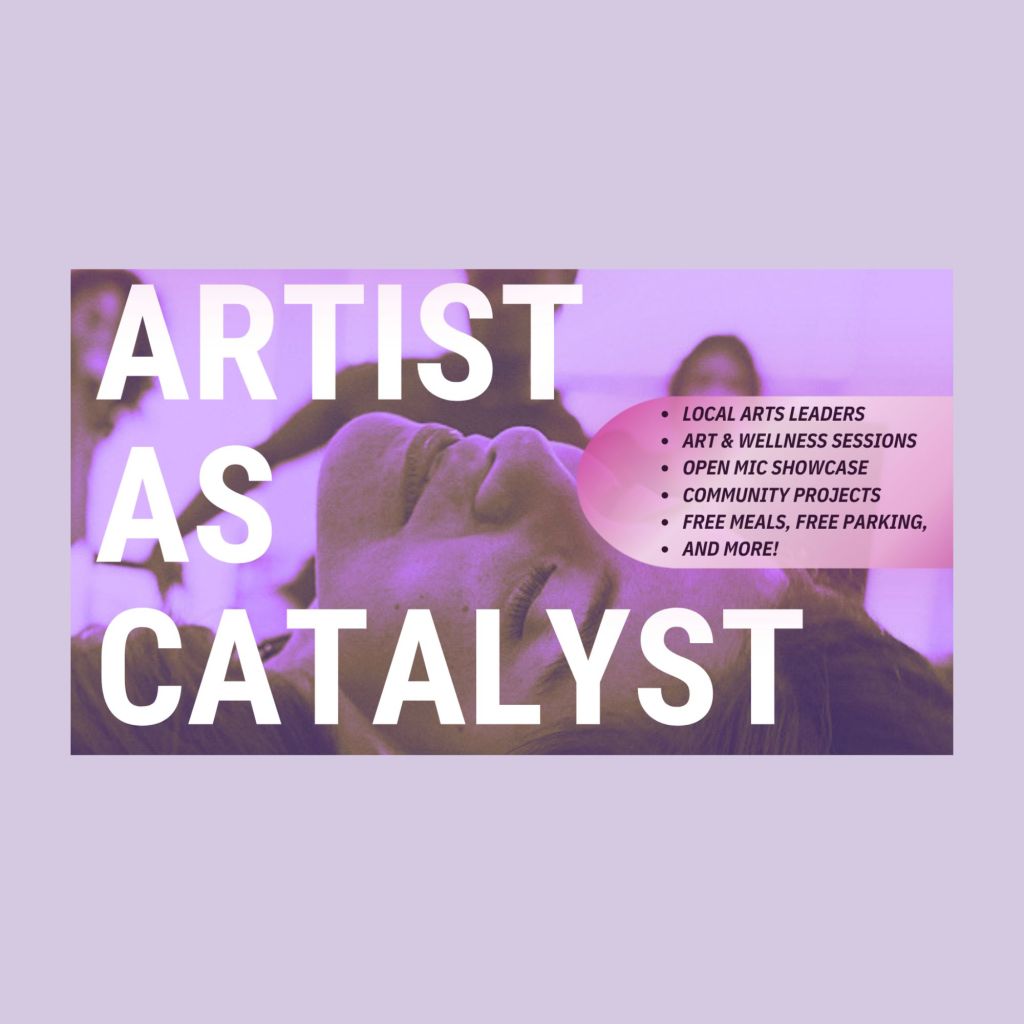
Artist as Catalyst (AAC) is a regional initiative created by The Peace Studio, intended to provide young creatives (aged 18 – 30) with networking opportunities and the resources to “use their craft in the service of peacebuilding.” AAC is a three-day immersive experience that assists new artists and creative leaders across multiple disciplines in finding their voices.
In the AAC program, participants will “engage in a unique blend of workshops, keynotes, collaborative labs, and community events… With city-specific creative direction and cross-cohort follow-up support, AAC fosters a new generation of artist-leaders using story to shift culture and activate change.”
The program is also a fully funded experience and provides free meals and parking for its participants.
Program dates: June 12 – 14, 2026
Location: Santa Monica, CA
The applicationpriority deadline is May 8th and the final deadline is May 15th.
To learn more, follow @The_Peace_Studio on Instagram and sign up for the Newsletter to receive the most up-to-date news on program opportunities.
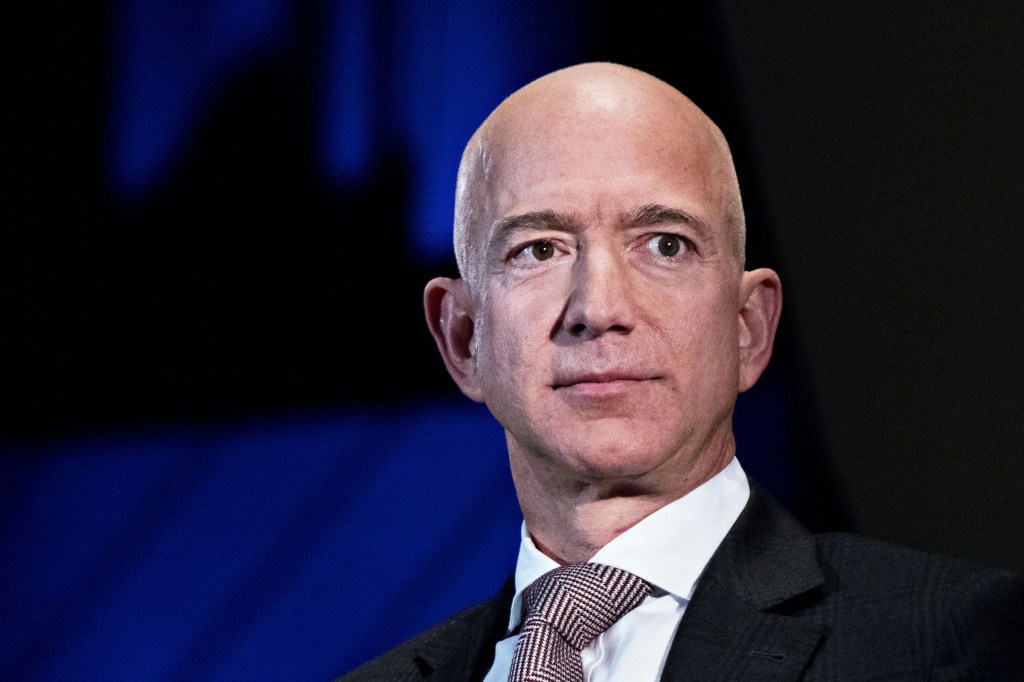
From the James Bond franchise to the Met Gala, it seems there is nothing Jeff Bezos cannot buy, though not without public backlash.
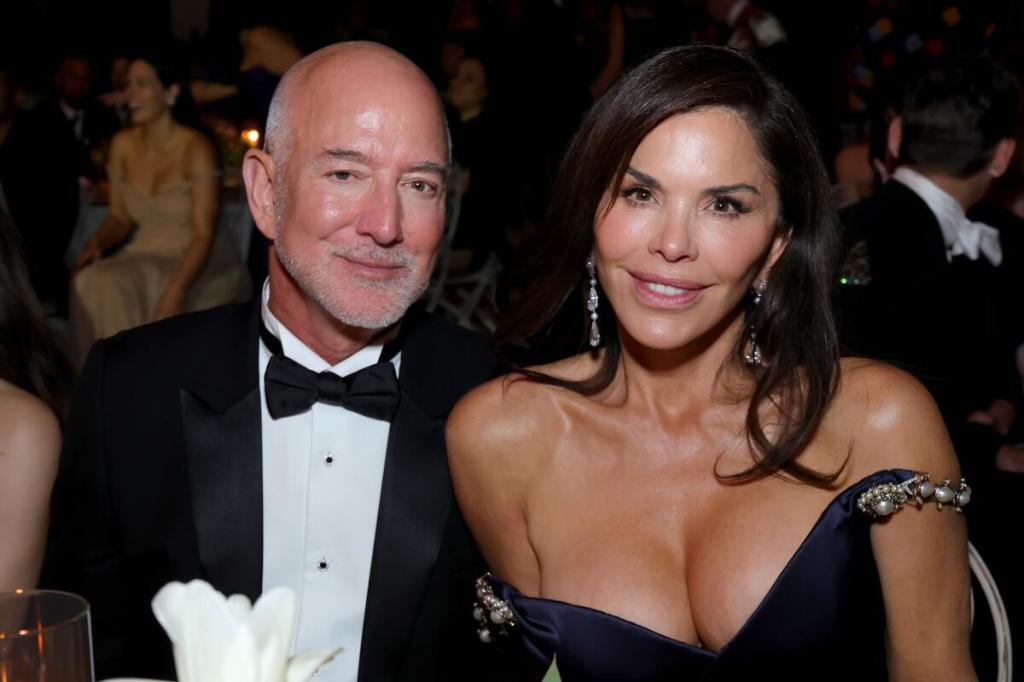
The Met Gala is an annual fundraiser for the Costume Institute of The Metropolitan Museum, relying on donations from attendees and sponsors to preserve fashion and art history. While billionaires and conservatives have sponsored the Met Gala before (e.g., Stephen Schwarzman in 2018), this year not only featured Amazon founder Jeff Bezos and his wife, Lauren Sánchez Bezos, as the official sponsors, but as honorary chairs of the gala itself.
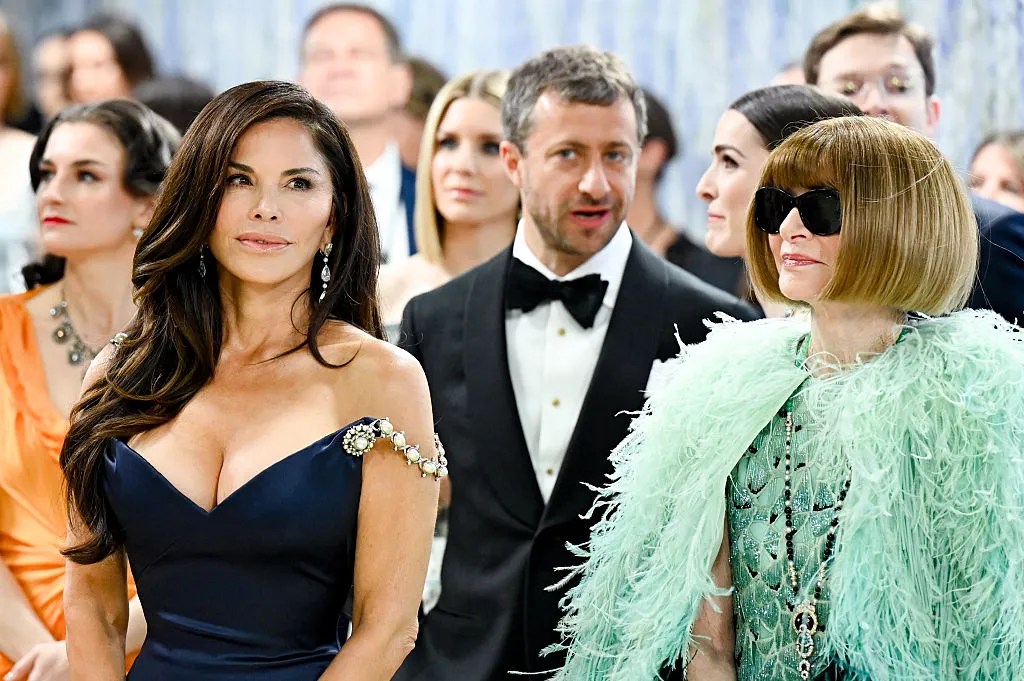
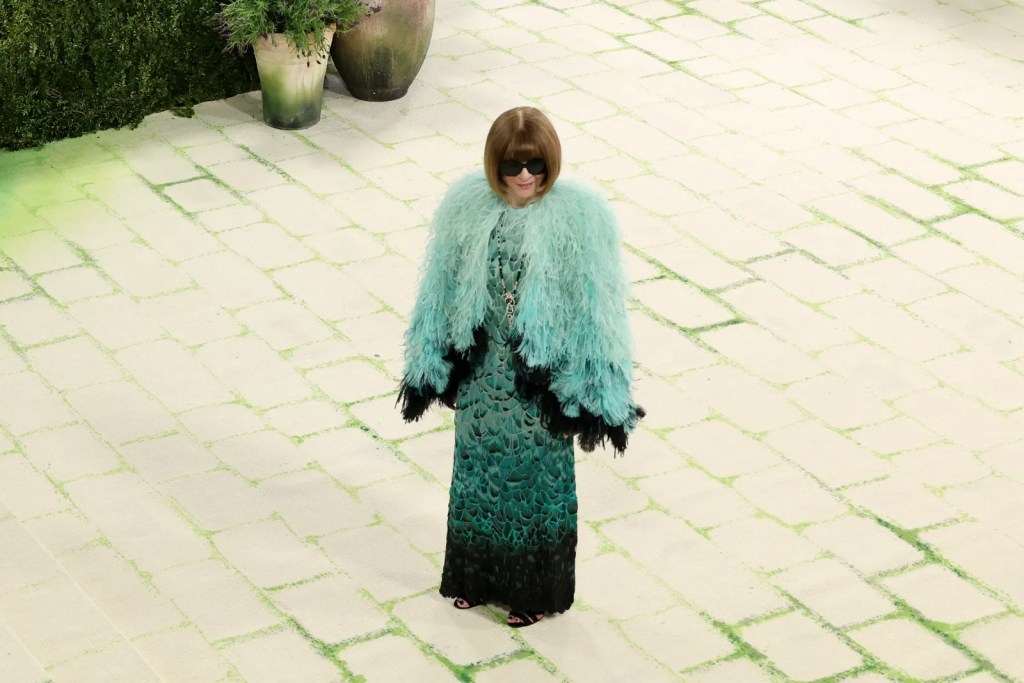
While Schwarzman’s contributions were primarily behind the scenes, and thus easier to ignore, it was impossible to miss Bezos’s involvement, with Sánchez Bezos standing right next to Anna Wintour herself at the opening ceremony, fully centered in this space meant to represent creativity and artistic expression, not corporate greed.
Sánchez Bezos photographed beside Anna Wintour at the 2026 Met Gala
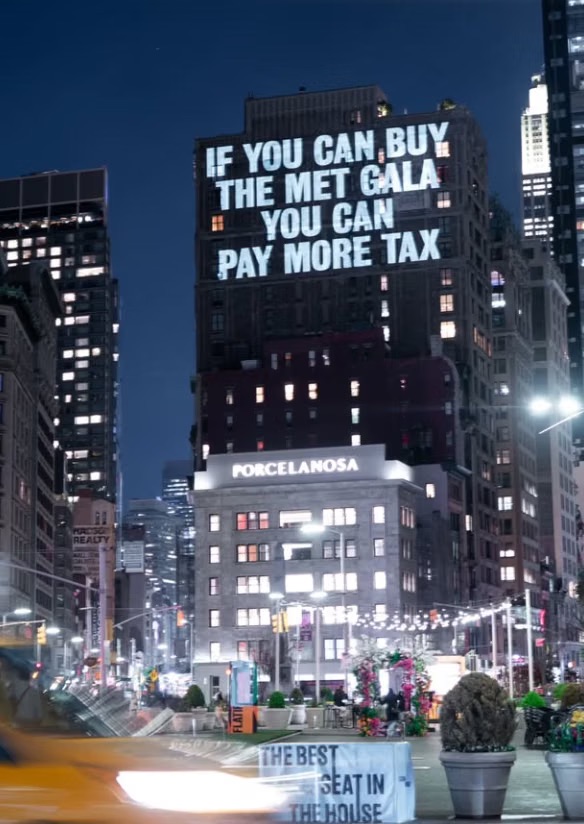
As a result of their prominent role in this year’s gala, calls for a boycott of the event spread online while several New York protesters took it upon themselves to make their voices heard. One group reportedly smuggled hundreds of bottles of fake urine into the museum before the event, in reference to longstanding allegations that Amazon warehouse workers were denied adequate bathroom breaks and forced to relieve themselves in bottles. A group of activists, known as Everyone Hates Elon, put up posters throughout the city and projected interviews with Amazon workers and various critical statements on the Bezoses’ penthouse building.
While the gala itself proceeded as usual with strong attendance, a handful of celebrities and public figures were absent.
Zendaya, who has attended the event seven times and even co-chaired it in 2024, notably declined her invitation to the gala, potentially a quiet statement in itself, though she has made no official statement on the matter.
In a New York Times interview with Cynthia Nixon, she applauded Zohran Mamdani’s absence from the gala, stating: “My hat is off to the mayor for not attending… The Met Gala is now giving Bezos exactly the kind of reputation laundering and cultural rocket fuel he needs to keep destroying America.”
Actress and comedian, Lisa Ann Walter, joined the Labor Is Art protest against the Gala, asking: “How did an event that’s supposed to celebrate creativity, artistry, and fabulousness, in all genders, end up revolving around this Temu Lex Luthor? Who profits off of pushing working people to their very brink.”
According to insiders, all of this backlash reportedly came as a surprise to Anna Wintour. One source claimed that “Anna is genuinely shocked by how hostile this has become… [She] quickly enlisted the help of her top advisers from Vogue and her inner circle for what was described as a ‘crisis-level’ strategy session.”
But the backlash should not have been surprising. The Met Gala is marketed as a celebration of fashion, artistry, and cultural preservation. By placing one of the world’s most controversial billionaires at the center of that celebration, the event exposed a larger issue: cultural institutions should not have to sacrifice their credibility in exchange for financial support. This year’s negative reception reflects that the public is becoming less willing to accept this compromise of values. Hopefully, the backlash will serve as a necessary wake-up call for the events’ organizers and similar institutions that public trust can vanish just as quickly as their donor list grows.