Tag: bdsm

  • A Place for Kink at Pride

    A Place for Kink at Pride

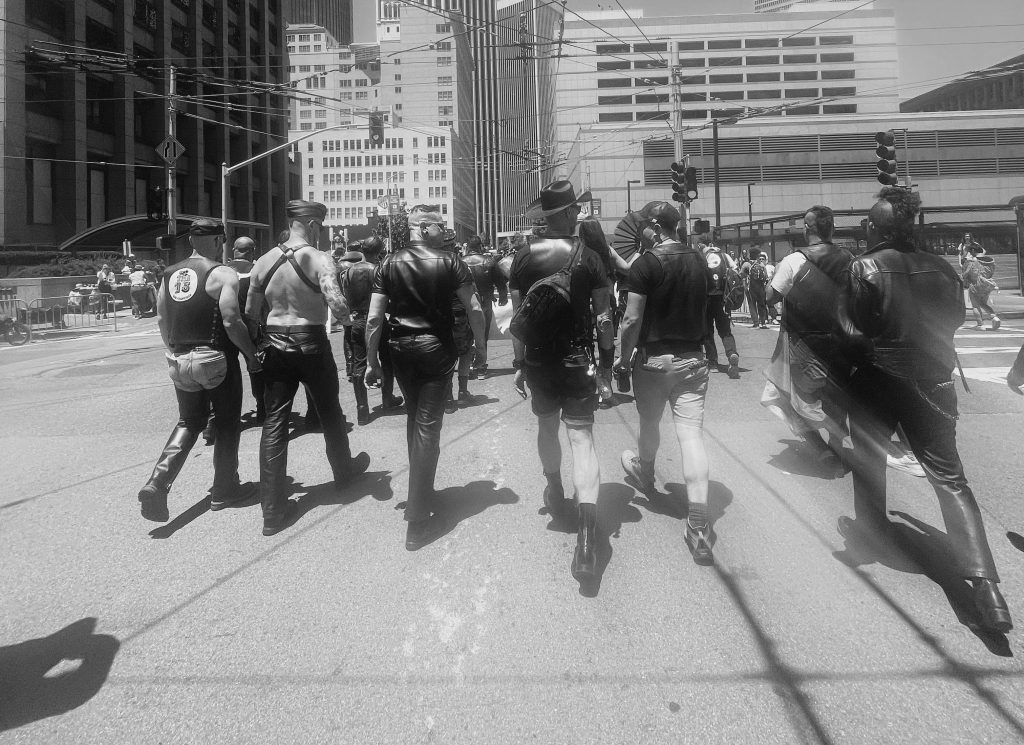
    Every year during Pride month, there is a surge of negative reactions online (and in person) regarding who Pride is for and to what degree. This is particularly salient for kink at Pride. Posts and news stories routinely question why kink is even at Pride. Just a sampling of kink-related Pride posts I found on Instagram offered such original comments as: 

    “Freaks.” 

    “Kink gear in a public area around minors is weird though am i too woke r sum”

    “Keep it in your home.” 

    This type of reaction is unsurprising. Virtually anything furry, kinky, or fetish-adjacent has become increasingly scrutinized amongst the LGBTQ+ community. However, this raises a question that frequently emerges in June as Pride (at least in the United States) becomes more of a focal point: Who belongs at Pride? 

    As celebrations, parades, and parties kick into high gear to celebrate all aspects of the LGBTQ+ community throughout the month, the kink community is a recurring, easy target. 

    While I am not the definitive voice in the matter by any means, the answer seems obvious to me, of course, kink belongs at Pride. Pride is for all within the LGBTQ+ community, and, surprise, surprise, there are a great number of us who also have kinks or fetishes. Additionally, there’s an exhaustive history within the LGBTQ+ community that directly addresses kinks and fetishes; there are artistic influences that go back centuries; there’s cultural heritage, and a celebration of an individual’s sexual orientation and sexual identity could be easily connected to sexual interests.  

    The question of kink’s place at Pride almost becomes a boring one. For most within the LGBTQ+ community (myself included), we are at least aware of the histories of our community more so than those on the periphery of the community. Even the most supportive of allies may draw a blank if questioned about Tom of Finland, Saint Sebastian, or Saint Andrew and his cross

    There will always be outrage about displays at Pride events, regardless of whether kink is there or not. A completely “vanilla” Pride event would still be derided by those with preconceived notions and deeply embedded homophobia. If someone already has a distrust or negative view of anything even remotely queer-related, they will find a means to continue advocating for that hate. Suppressing displays of kink, then, in an attempt at appeasement, is a fruitless and even regressive endeavor.       

    But what about individuals who are enthusiastic about Pride, allyship, or who may be in the LGBTQ+ community itself, but are uninterested in or even disturbed by kink? Shouldn’t we, as a welcoming community, then at least accommodate those who would otherwise be open but could be uncomfortable seeing, say, a rubber gimp or a leather daddy? 

    (Insert The Simpsons, “Won’t someone please think of the children?”) 

    Or worse! The corporate sponsors! After all, we cannot have a pup on all fours in front of a Raytheon float.  

    The point of Pride is not to make everyone completely comfortable. It never will be, nor ever should be. Pride’s origins as a political movement in the 1960s and 70s—alongside Stonewall, “Gay is Good,” and the Christopher Street Liberation Day—were to equate living one’s authentic self without shame. That act may itself make people—particularly outsiders of the community—uncomfortable. 

    As a commemoration of the first Stonewall Riot, “Pride” as a term was coined by L. Craig Schoonmaker as a means to counteract the immense social shame directed at the LGBTQ+ community. Schoonmaker said, “The poison was shame, and the antidote [was] pride.” At the time, people were “very repressed, they were conflicted internally and didn’t know how to come out and be proud. That’s how the movement was most useful, because they thought, ‘Maybe I should be proud’”

    Isn’t then the truest essence of Pride being able to showcase one’s kink and fetish interests without the often-internal conflict associated with enjoying them? 

    Many kinks are still derided and ridiculed today, even by members of the LGBTQ+ community. It can be easy to point and mock kinks and individuals who engage in them. Look at the reaction to former Department of Homeland Security Advisor Kristi Noem’s husband, Bryon, and the revelation of his “bimboification” kink. This is a type of role-playing in which someone pretends to be a stereotypical bimbo or Barbie doll. The ridicule can focus on the hypocrisy associated with the Noems and their rampant animosity towards the LGBTQ+ community (particularly the trans community), but shouldn’t be towards the kink itself. But that level of nuance in discussion is often ignored.

    This can then lead many (arguably most) people to keep their own kink and fetish interests fiercely private, to avoid ridicule or ostracization. This itself can have a ripple effect, as these individuals remain unaware of how many others share those interests and how safe it can be to explore between consenting adults. From bondage to gear to roleplaying, there’s no shortage of kinks for everyone interested. But many do not believe they can or should engage in these. Where else but at a Pride celebration could one in this situation learn more about kinks and meet those who could illuminate them? 

    As for the ‘keep it to the bedroom’ argument with kink, Pride provides safety in numbers. Many people just starting to dip their toes into kink could risk physical or emotional harm with someone else who may lack proper knowledge or expertise in some kinks, such as bondage or impact play, in an isolated setting. Demonstrations, educational courses, and communal settings serve as ideal places to ask questions, engage, be curious, and reduce taboos. In today’s often reactionary world, Pride can be one of the few genuine opportunities people have for this. 

      Individuals who have the chance to showcase kinks and genuine interest or curiosity at Pride can learn a great deal about themselves, too, and become all the more personally courageous and introspective as a result. 

    On a personal note, after a few years of skipping Pride celebrations, in 2022, I returned to Pride celebrations, given that a former high school classmate of mine had been arrested as part of a thwarted white supremacist riot at an Idaho-based Pride celebration. I had known him for years, had gone to lunches with him with classmates and other friends, and was shocked and horrified to see this white nationalist turn and vitriol towards Pride. 

    So, I got a rubber tank top, some splashy pants, and even some impressive leather boots, and strutted my stuff at Denver Pride. If for nothing else than to show, this was a hell of a lot better look than whatever lame tough guy cosplay these hate-mongers would ever hope to wear. But in a more real sense, I did it because I wanted to be proud of who I was and could be. That is the core of Pride’s existence. No matter what hate, ridicule, or mockery countless others may throw, Pride should be a beacon of hope for self-expression.  
  • RuPaul’s Drag Race Star, Honey Davenport, Wins IML

    RuPaul’s Drag Race Star, Honey Davenport, Wins IML

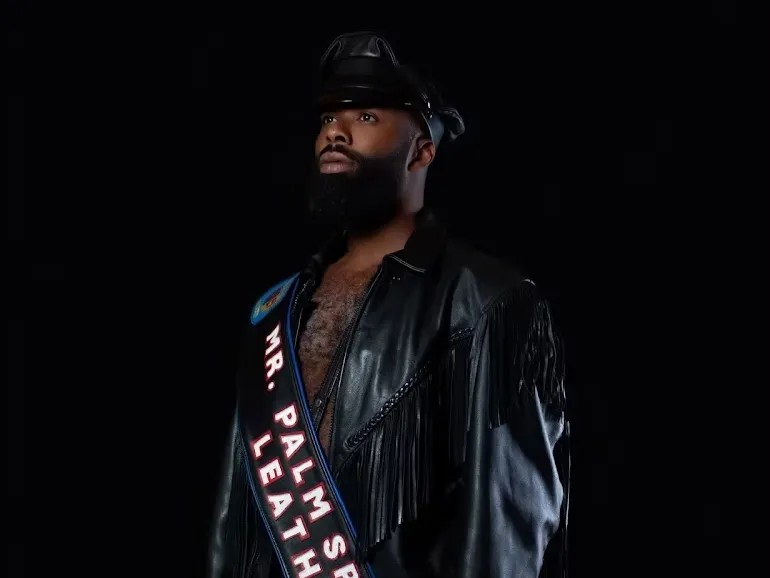
    RuPaul’s Drag Race star, Honey Davenport, wins IML (International Mister Leather) 2026, a multi-day competition and fetish event based in Chicago.

    Davenport is best known for her appearance on season 11 of RuPaul’s Drag Race. Seven years later, they are revealing a whole new side of themselves to the world. 

    After moving to Palm Springs and finding a sense of community in the local gay leather scene, Davenport realized this was more than an interest but a passion. After winning Mr. Palm Springs Leather, IML was the next logical step.

    During the contest, Davenport introduced themselves to the audience with the same line they used on Drag Race: “There’s only one thing you need to know about me. This honey is raw and unfiltered.”

    Shortly before the final night of the contest, Davenport took to instagram to say:

    “When I walked into the work room of [Drag Race], I said my tag line. When I walked on The [IML] stage, I spoke my truth. Same words with new meanings.”

    After their win, Davenport shared “And just like that history was made. I am your new [Mister International Leather] 2026. This was definitely a hard one but well worth the blood, sweat and tears. I am so grateful for all of kind words, hard work, and sponsorship my community gave me on this journey. Together we brought this sash home.”

    Davenport is the first Drag Race queen to win the title and marks the second year in a row that the title has gone to a Mr Palm Springs titleholder. The runners-up this year were Sgt. Alex (Mr. Cincinnati Leather 2025) and Denzel Belin (Mr. Twin Cities Leather 2026).

  • Pillion Review: When Heartbreak is the Greatest Torture

    Pillion Review: When Heartbreak is the Greatest Torture

    Director and writer Harry Lighton depicts a universal toxic relationship dynamic through the guise of a queer BDSM romance film.

    By Maxwell Fong

    Rating: 5 out of 5.

    After premiering in the U.K. four months prior, I was really looking forward to seeing Pillion with my friend Malik, whom I had not seen since September. He showed up in a T-shirt and jeans, coming directly from work, but also donning his chain and padlock necklace, as well as a drawstring bag with the rubber pride flag embellished on it. When we walked into the theater, we saw others wearing leather jackets and pants from Mr. S Leather. It was evident that this was a much-anticipated movie by the BDSM community.

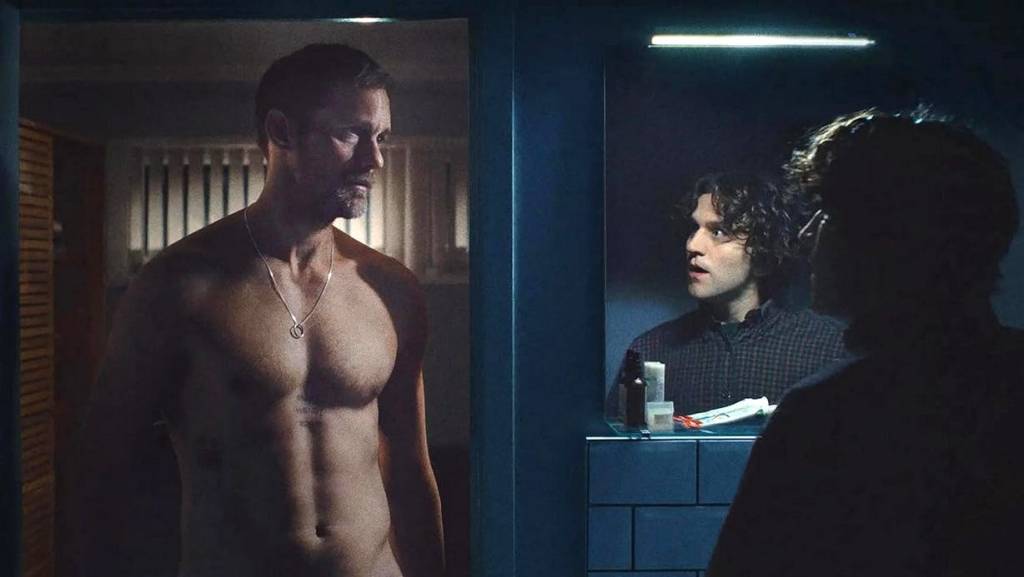
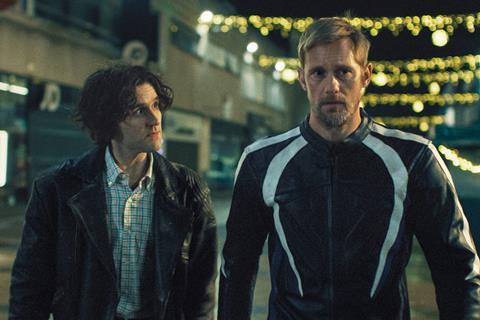
    Pillion is a film adapted by Harry Lighton from the 2020 novel Box Hill by Adam Mars-Jones. Colin (played by Harry Melling), a meek wallflower beloved by his parents, falls head over heels (or leather boots, rather) for Ray (played by Alexander Skarsgård), a prepossessing and possessive biker dom. As Colin comes to actualize his identity and discover his desires, he also has to grapple with his mother being terminally ill and Ray being emotionally unavailable.

    This film was phenomenal and captivating from start to finish. Even though the film was marketed as a “BDSM rom-com”, the story is that of self-discovery at its core, which is told through a toxic relationship presented through a BDSM lens. It is ultimately a story about Colin’s growth as a young queer person and Ray’s inability to open up emotionally. Because the core story works, everything else falls into place and enhances and texturizes the story. The sex scenes and motorcycle jackets (or as Little Mix would call them, “motorbike”) are not just for fluff and theatrics, but rather important turning points for their relationship dynamic. The narrative arcs and character traits are set up perfectly and intentionally, and I loved the pacing of most of the film; the only thing I would nitpick on is how clunky the ending felt.

    Both actors were amazing in their roles. Obviously, Melling had the bigger part to play, and the range he showcased alongside the emotional journey of Colin was fantastic, from desperation to grief to rebellion to adoration. To my delighted surprise, Skarsgård was able to convey so many subtle emotions, even as an emotionally constipated, stoic authority. In a sense, Ray is also discovering what he actually wants and needs, like Colin, except he has no emotional resilience. Colin and Ray’s relationship is nuanced and fluid, and not being afraid to dwell in that grey area and blurred boundaries is what makes this film so great.

    This muddy relationship dynamic is one that I have rarely seen encapsulated on film. As a young queer person, Colin’s worldview has been set up by his parents and their understanding of queerness, as evidenced by an arranged date by his mother in the beginning. Ray shows up and opens Colin’s mind (and hole), and eventually goes as far as defending their relationship in front of Colin’s parents, which is my favorite scene of the film. Ray says to Colin’s mom at the dinner table: “Deciding that what makes you comfortable is bad for your son.” On the one hand, Ray is absolutely right in calling her out on conforming her son to her expectations, but on the other hand, Ray is using Colin’s trust and the foil of progressivism to treat him poorly, refusing to tend to Colin’s needs and form a romantic connection. Because of Colin’s people-pleasing character and not knowing any better, he ends up settling for scraps and convinces himself that this is what a relationship looks like. This emotional torture is harder than any boot licking and butt fucking he has to endure.

    As Malik and I walked out of the theater, we both reminisced about past relationships we had when we were younger, where the power dynamics felt extremely similar to that of this film. Right when I turned 20, I dedicated my life to someone 15 years older, only to find out his emotions flipped on a dime, and he was unwilling to give the same dedication and understanding back. Malik also brought up that he was in a situation with a dom similar to Colin’s when he was still inexperienced and new to the kink world. He then talked about how for most gay men, there is a second coming of age as an adult, where we navigate life outside of heteronormative standards. We don’t have a roadmap or understanding of what healthy relationships look like growing up. Our self-esteem and identities are often not discovered or innately internalized, but based on the perceptions of the good and bad people we encounter. I can understand how this film can be an uncomfortable watch for those who have not experienced this kind of toxicity, but unlike the leather biker gear Colin and Ray are dressed in, relationships are never black and white, are they?

    I also found the film’s depiction of the BDSM community to be quite faithful and accurate, from the fetish camping trip to Ray’s somber piano playing. (Why are so many kinksters also amazing musicians anyway?) According to Lighton, he reached out to the Gay Bikers’ Motorcycle Club in London for consultation and later hired its members as extras to make the film feel as authentic as possible. Despite Ray’s community not being verbally highlighted in the movie, it created a backbone for forming Colin’s autonomy and became a driving factor and motivation for Colin to advocate for himself through his interaction with Kevin (played by Jake Shears of Scissor Sisters). It’s refreshing and touching to see the BDSM community represented in an empowering and inclusive manner. In a film filled with hard cocks, hard emotions, and hard truths, these glimpses of communal bonding are full of tenderness and hope.

    Any kind of relationship can be flawed and messy, and the film owes it to nobody to portray the ideals of what a healthy BDSM relationship should look like, even if it hints at it in the end. Because of its flawed nature, I believe this film has struck a huge chord with gay male audiences, especially those in the kink community, and will become an important mainstream film in the queer cinema canon. As I said goodbye to Malik in the parking garage, I knew he would be safe in the community he had found for himself until the next time we met.