Tag: drag queen

  • Dr. Jake Robertson on Gulag Theater, Drag, Memory, and the Human Need to Be Seen

    Dr. Jake Robertson on Gulag Theater, Drag, Memory, and the Human Need to Be Seen

    There is a question running beneath all of Jake Robertson’s work: What is it that makes us human, and what happens when someone tries to take that away?

    Robertson (They/He) is a Soviet cultural historian, educator, theatermaker, and storyteller. They studied Slavic Languages and Literatures at Princeton, trained in acting at the Royal Conservatoire of Scotland, and recently completed a PhD at Oxford, where they researched professional theater inside Soviet Gulag camps.

    But Robertson’s work has never been confined to the archive. They have taught Russian language, history, and theater to students around the world. Robertson’s scholarship examines the relationship between artistic expression and political control, exploring how culture survives and sometimes resists under authoritarian systems.

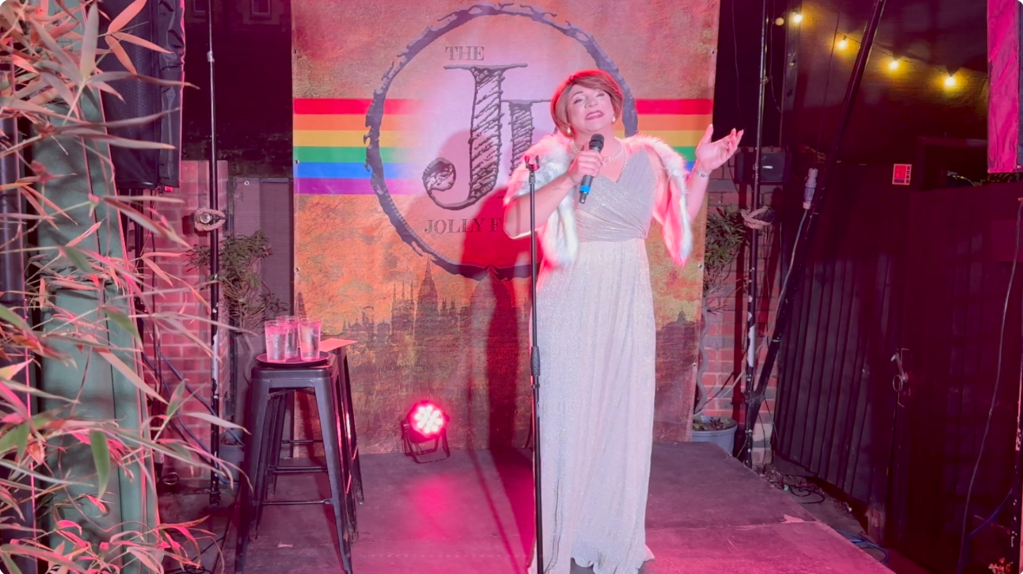
    At the same time, Robertson’s career as a theatermaker and drag artist has taken him from Off-Broadway theaters to queer pubs to Shakespeare’s Globe.

    Robertson’s creative projects include Saundra Lezzenbaum: Love in Concert!, a one-woman drag spectacular combining original music, improv comedy, and couples therapy. Love in Concert! was just one of Saundra’s shows. Her current rep is a monthly community mixer called Saturday Night Love. It also combines comedy, cabaret, and group therapy in an effort to foster connections and build community.

    There is also Songbird, a play in development that weaves together the life and music of queer Soviet cabaret icon and Gulag theater star Vadim Kozin with the story of a drag artist facing imprisonment in contemporary Russia.

    On paper, these worlds might seem impossible to reconcile. An Oxford historian and drag performer. Soviet archives and comedy clubs. Gulag theater and queer performance. But for Robertson, they are all part of the same lifelong inquiry.

    “What binds us all together, while at the same time making us wholly unique?”
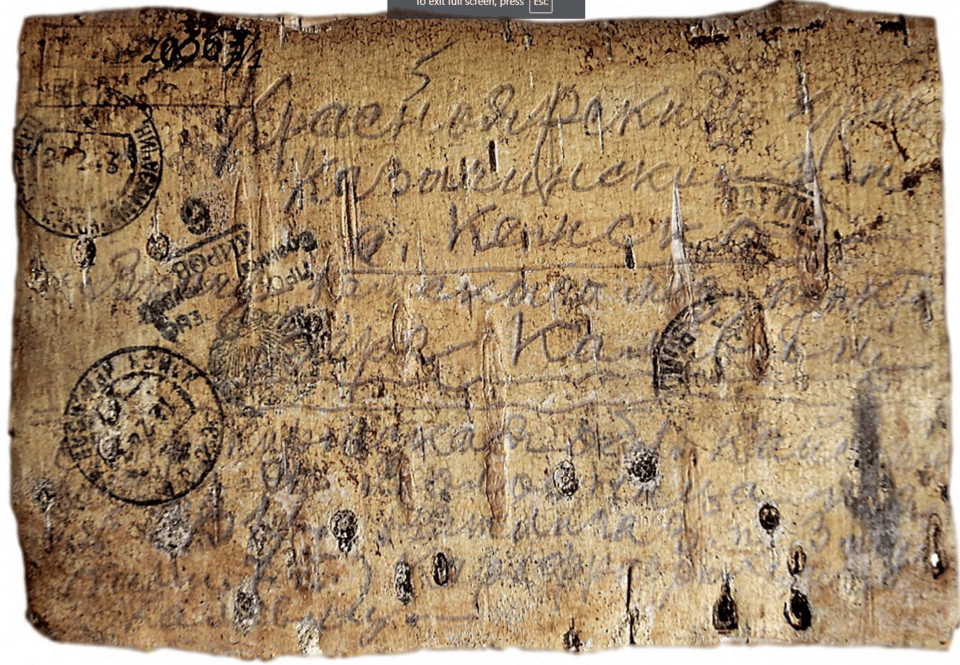
    Birch bark letter from Siberia.

    The Search for What Connects Us

    Robertson’s fascination with humanity has always existed between individuality and belonging.

    For much of Robertson’s early life, they carried the weight of a divided identity. They describe spending two decades closeted, negotiating questions about who they were and how openly they could live.

    “I began as a nerdy sensitive gay boy in the Midwest and now have broken out of the binary and embrace an expansive queer identity that transcends gender and sexuality, shaping my perspective on almost everything,” Robertson says.

    “Now that I have embraced who I am and opened that up more and more, I have become even more interested in bringing us together and what we all share.”

    Whether sitting in an archive in Siberia researching a forgotten performer, or stepping onto a stage as Saundra Lezzenbaum, Robertson keeps returning to the same essential human longing. To be recognized.

    “There is something magical that happens when you can be seen by someone else,” Robertson says. “We are vast and complex, but in some profound way, we want to be seen.”

    For Robertson, that recognition carries almost spiritual weight.

    “Namaste,” comes to mind. “The divine in me sees the divine in you.”

    That belief may seem far removed from the brutal realities of Soviet repression, but Robertson sees the same human impulse everywhere: the desire to connect and find meaning even in circumstances designed to destroy those possibilities.
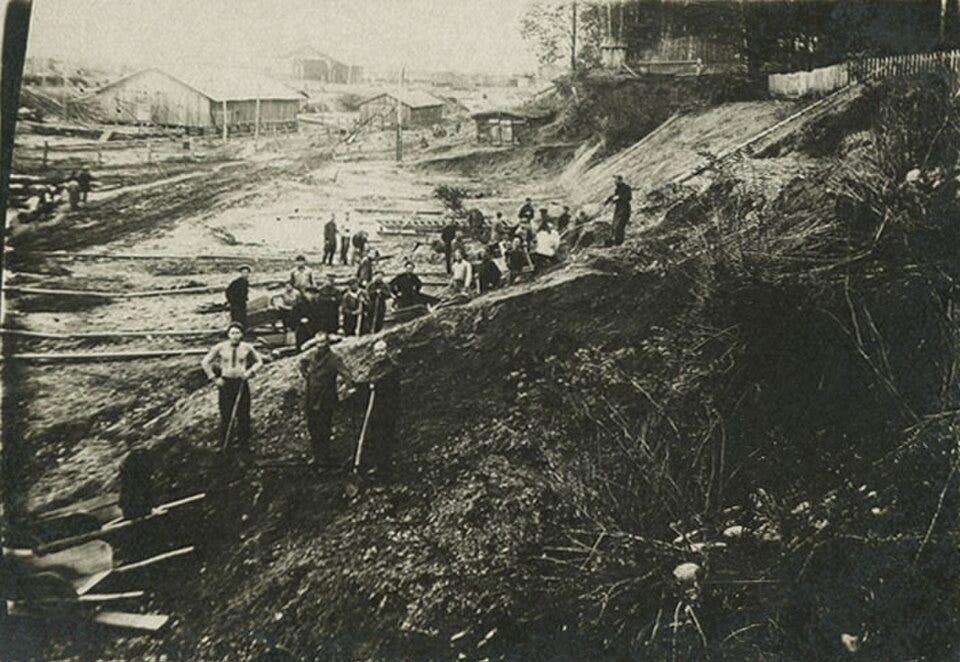
    Gulag work.

    The Stage Behind the Barbed Wire

    Robertson’s doctoral research examined one of history’s most unlikely artistic landscapes: professional theater inside the Soviet Gulag.

    The Gulag system was built around forced labor and political control. It was designed to extract productivity from millions of prisoners while attempting to reshape them according to Soviet ideology.

    Yet within that system, something unexpected emerged: Theater.

    “I got into Gulag theater through memoirs,” Robertson says. “Through these experiences in the camps, I felt this connection to the artists.”

    Prisoners who had been actors, directors, musicians, and designers before their imprisonment continued creating. Others found artistic roles within the camps. They built stages, organized performances, designed sets, and produced operas and plays, all while receiving the support and resources of local Gulag administrators.

    Within the very system that sought to destroy their humanity, these artists found a way to preserve that humanity through their art.

    For Robertson, this transformed his understanding of creativity.

    “As a theater maker and a creative, it gave me a deeper reverence for the creative act as an expression of your identity…There is something about revering that act.”

    Art was not simply entertainment but proof of existence. It was a declaration.

    I am still here.

    Robertson’s research also complicates easy narratives. Gulag theater was not simply a story of heroic resistance. The performers often faced impossible moral questions. Some felt guilty because theater offered them privileges unavailable to others. Some prisoners accused them of collaborating with camp authorities.

    “The people who survived,” Robertson explains, “are the ones whose memories we are reading.”

    History, like humanity itself, is complicated.

    “That spectrum of humanity and barbarity is fascinating… The same camp boss who took up the role of patron-of-the-arts, who joyously cheered for the Gulag opera, also oversaw a regime of mass starvation, exploitation and death.”

    The contradiction is unsettling. But it is also revealing. History does not only show us what people do. History forces us to contemplate the contradictory vastness of being human.

    Robertson’s dissertation will be a book set for release in 2028 with Cornell University Press.
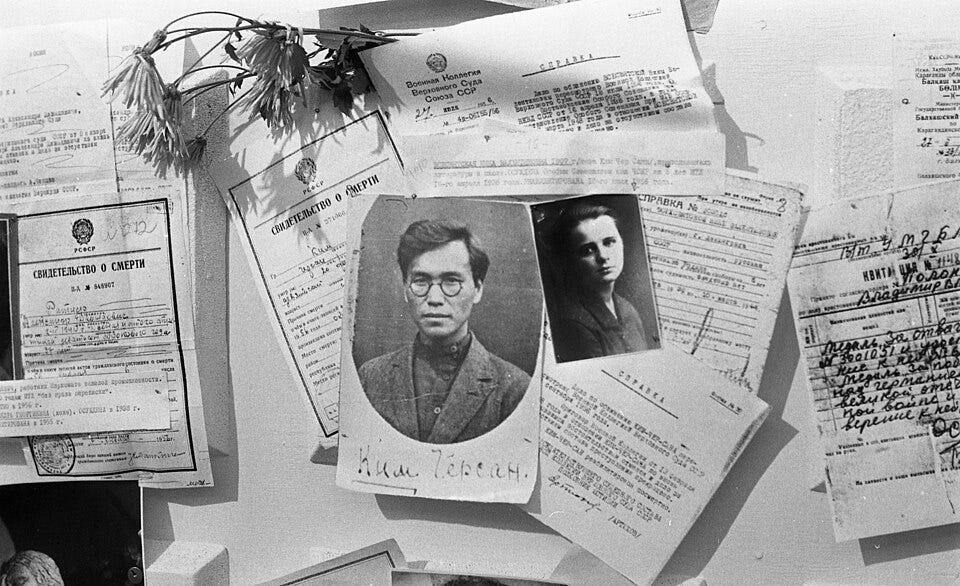
    Documents of the Gulag’s victims.

    Why Authoritarians Fear Stories

    For Robertson, the struggle over history is ultimately a struggle over storytelling.

    “Stories were everything. All human institutions and civilizations are built around stories.”

    Governments use stories to create national identity, justify policies, and define enemies. The Soviet Union carefully constructed narratives about progress and the inevitable triumph of communism.

    But stories are dangerous because they can never be fully controlled. They can also complicate official narratives.

    “I believe official narratives are also a form of storytelling, and a powerful one at that. But our stories, especially those that illuminate the expansive complexity of human reality, can also serve as an incisive challenge to those hegemonic discourses. That to me is the power of queer stories, the kind that refuse to submit to norms, conventions and binaries.”

    Authoritarian systems often demand simplicity: one truth, one version of history, one acceptable identity. But human experience resists simplicity.

    “Reality is more complex,” Robertson says. “That complexity is exactly what my work seeks to preserve.”

    “The story of Gulag theater would have been lost to the snowdrifts of time were it not for the local historians, survivors, descendants who preserved those memories and materials. My goal with my decade of research was to do my part to make sure they did not die and disappear.”
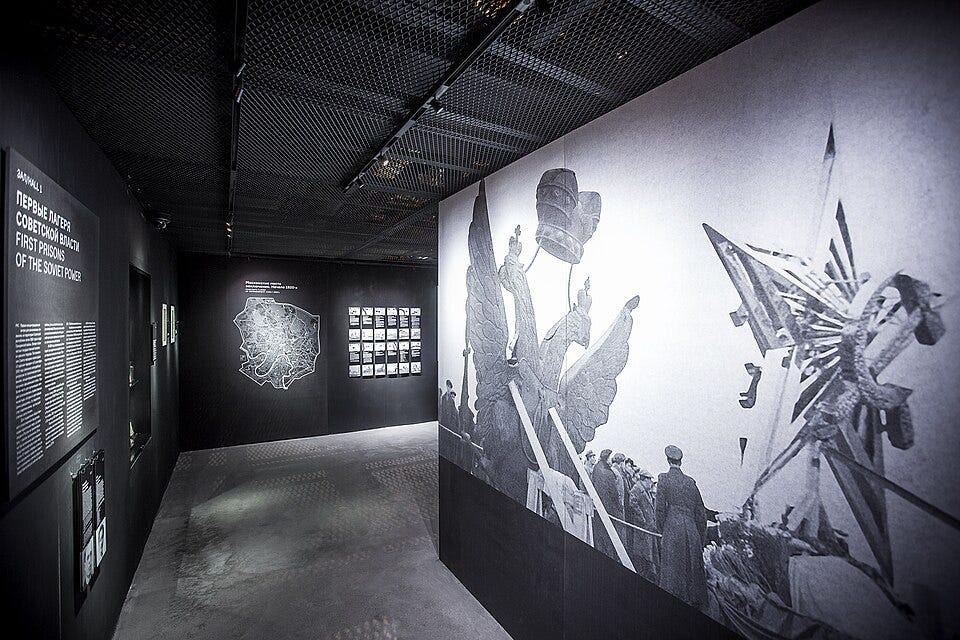
    Exhibition of the GULAG History Museum.

    Historians are trained to analyze evidence carefully. Artists are trained to explore possibility. Robertson believes both are necessary and mutually enriching.

    “I have years of training as a serious historian and as an artist. There is something to be said about the reality and limits of our knowledge, understanding what we can and cannot know for certain.”

    But scholarship cannot remain locked away.

    “It can’t exist in a vacuum. We need to communicate what we learn and share it.”

    At NYU, Robertson went on to create a brand new multidisciplinary course on Soviet Theater. It was called “Soviet Stages: Theatre as Revolution, Repression & Resistance in the USSR.” This fall, they will teach Introduction to Theatre Studies, building the course around the frame of drag and performing gender onstage and off.

    “When we did the scenes in class, we learned much more,” Robertson says, reflecting on Soviet Stages. “We could never get that just from words on a page. The artist enlivens and brings to life so many new things that we cannot do as researchers.”

    That philosophy informs Saundra Lezzenbaum, Robertson’s drag persona.
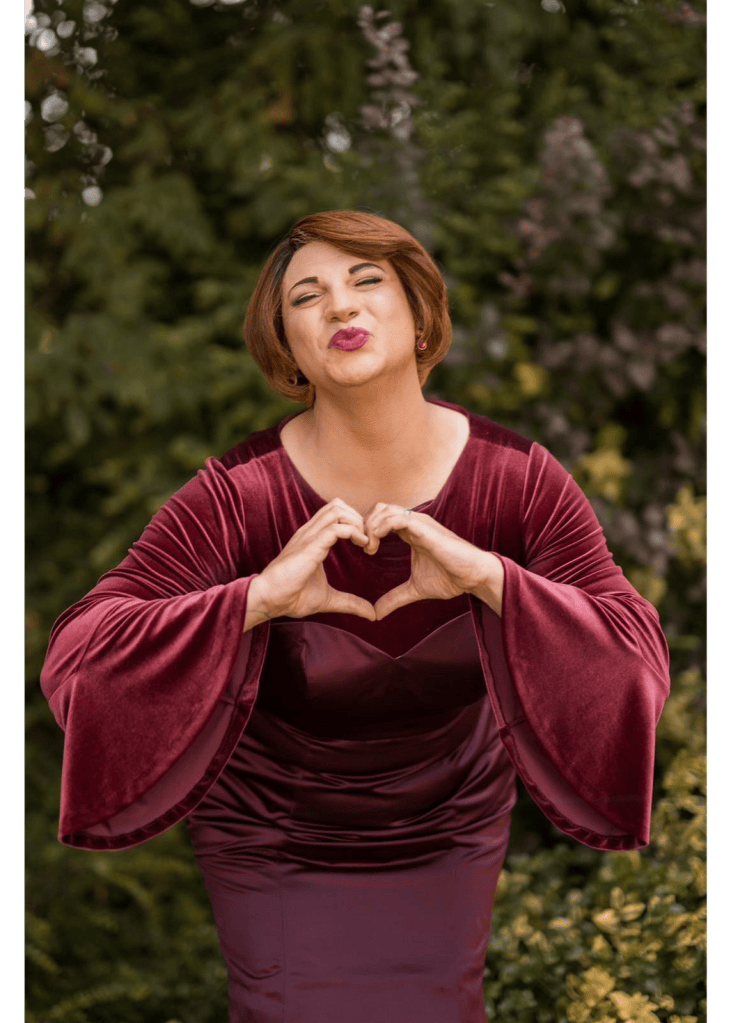
    saundralezzenbaum.com

    Saundra Lezzenbaum is a fictional character, drag cabaret persona, and self-proclaimed “America’s Queen of Hearts” whose larger-than-life mission is to rescue romance one laugh at a time. Hailing from her “palatial duplex in Ronkonkoma, Long Island,” Saundra presents herself as a world-famous love coach, matchmaker, and relationship expert whose improbable résumé includes a cosmetology background, a lunchtime Emmy-winning television show called Queen of Hearts on The CW, and a collection of wildly imaginative self-help books, including Married to Menopause: Keeping Things Hot Through the Hot Flashes and her love memoire Heart Attack, the Good Kind.

    At the center of her carefully crafted mythology is her supposedly flawless marriage to her beloved husband, Max Lezzenbaum, which she uses as the foundation for her advice on achieving “#PerfectMarriage” bliss. In performance, Saundra becomes a comedic Cupid for the modern age, hosting interactive New York City mixers, cabaret shows, and variety events aimed at solving what she jokingly calls the city’s “Cost of Loving Crisis.”

    Through her one-woman musical comedy spectacular Love in Concert!, featuring original parody “Saungs” from her fictional album Saungs for a Perfect Marriage, and her audience-driven “Love Lezzons,” where she improvises relationship advice based on real dating dilemmas, Saundra blends satire, theater, and audience participation into a joyful exploration of love and the absurdities of modern romance.

    For Robertson, drag is not an escape from serious scholarship. It is another form of historical inquiry. A way of asking: Who gets to be visible and who gets to imagine another version of themselves?

    “By doing drag as a community mixer, it combines celebration of individual identity with a commitment to bringing us together and building real human connection.”

    Remembering People Well

    Robertson’s projects repeatedly return to forgotten voices.

    His genealogy project, Ancestory, transforms family history into narrative experience. It asks people to confront their ancestors honestly, not as perfect heroes or permanent villains, but as complicated human beings shaped by their circumstances. Ancestory weaves together rigorous archival archeology and inspired people-centered storytelling, fostering an accessible personalized journey through your family tree. This unique ancestry experience is curated by Robertson.
    jakeaustinrobertson.com

    The play Songbird continues this work by exploring the life of Vadim Kozin (1903–1994), a queer Soviet cabaret icon whose career was transformed by Stalinist repression. Known as the “Soviet tango king,” his powerful, lyrical voice blended traditional Russian romance with gypsy soul.

    In 1944, at the height of his fame, Kozin suddenly vanished from public life. He was arrested by the Soviet secret police and charged with homosexuality, which was criminalized under Joseph Stalin’s regime. Convicted and sentenced to hard labor, Kozin became the star of the Gulag Theater of Magadan.

    The details shift but the mechanisms remain. The attempt to silence certain identities is an attempt to decide whose lives are worthy of recognition.
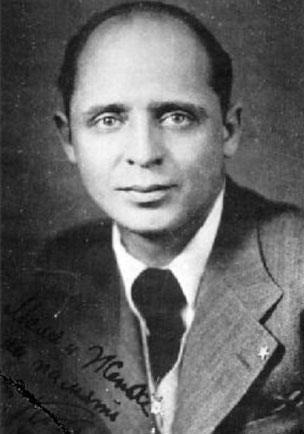
    Vadim Kozin

    Near the end of our conversation, Robertson considers a thought experiment: What if tomorrow every archive disappeared? Every book. Every historical document. Every official record. What would remain?

    Human storytelling.

    What stories would they fight hardest to preserve?

    The stories of connection and creativity. The stories of people who found ways to remain human in the face of inhuman circumstances.

    “I guess what comes to mind,” Robertson says, “is that there is something in us all that connects us.”

    A historian might hesitate because such a statement is difficult to prove. But Robertson has spent their life witnessing it. In Soviet archives and on theatrical stages. In classrooms and in moments of performance and vulnerability.

    “There is something that does unite us at our core. And it can be seen by people of vastly different experiences.”

    Perhaps that is the thread running through everything Jake Robertson does.

    The historian searches the past for forgotten voices. The teacher shares knowledge across cultures. The storyteller preserves complexity. The performer creates spaces where people can be fully seen. And beneath it all is a belief that may be the most radical story of all: Even in the darkest places, human beings continue creating. They continue connecting. They continue telling one another:

    I see you.
  • R.E.M Beauty Top 5 Products

    R.E.M Beauty Top 5 Products

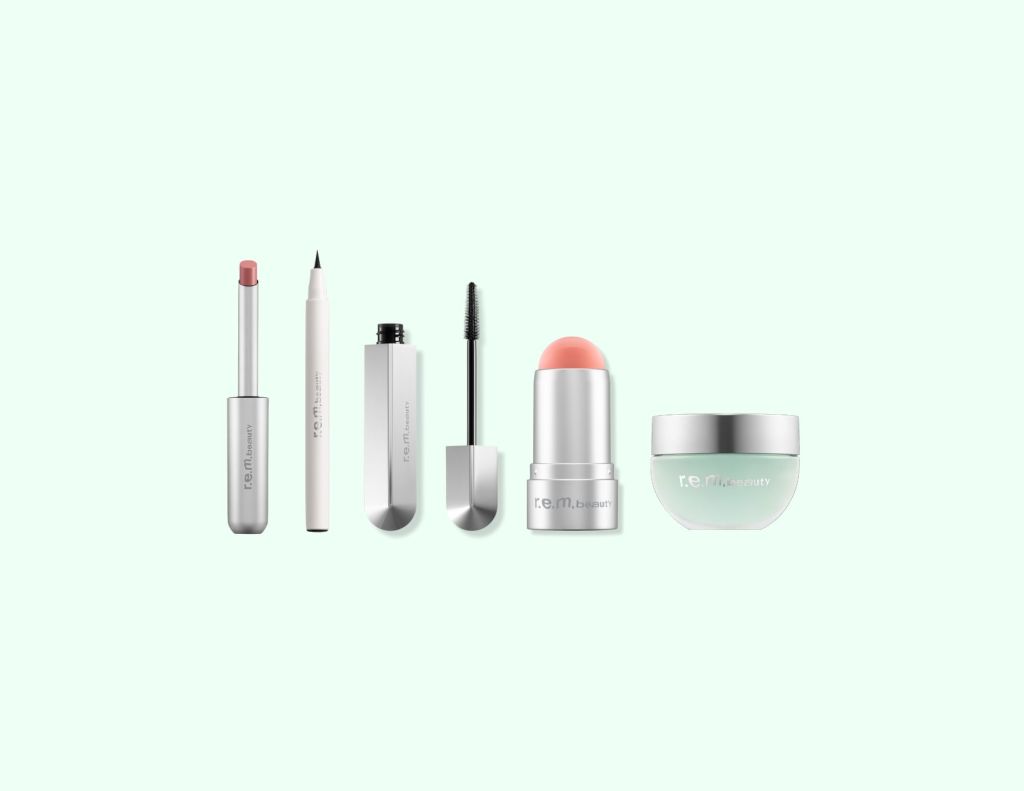
    Whether you’re an avid makeup connoisseur or a major Ariana Grande fan, R.E.M Beauty is an excellent makeup brand for anyone seeking high-quality, reasonably priced beauty products. As a long-time “Ariantor” myself, I decided it was long overdue to look into Grande’s beauty line. I’m pleased to report that I was thoroughly impressed by several products and am eager to share my top 5 favorites!

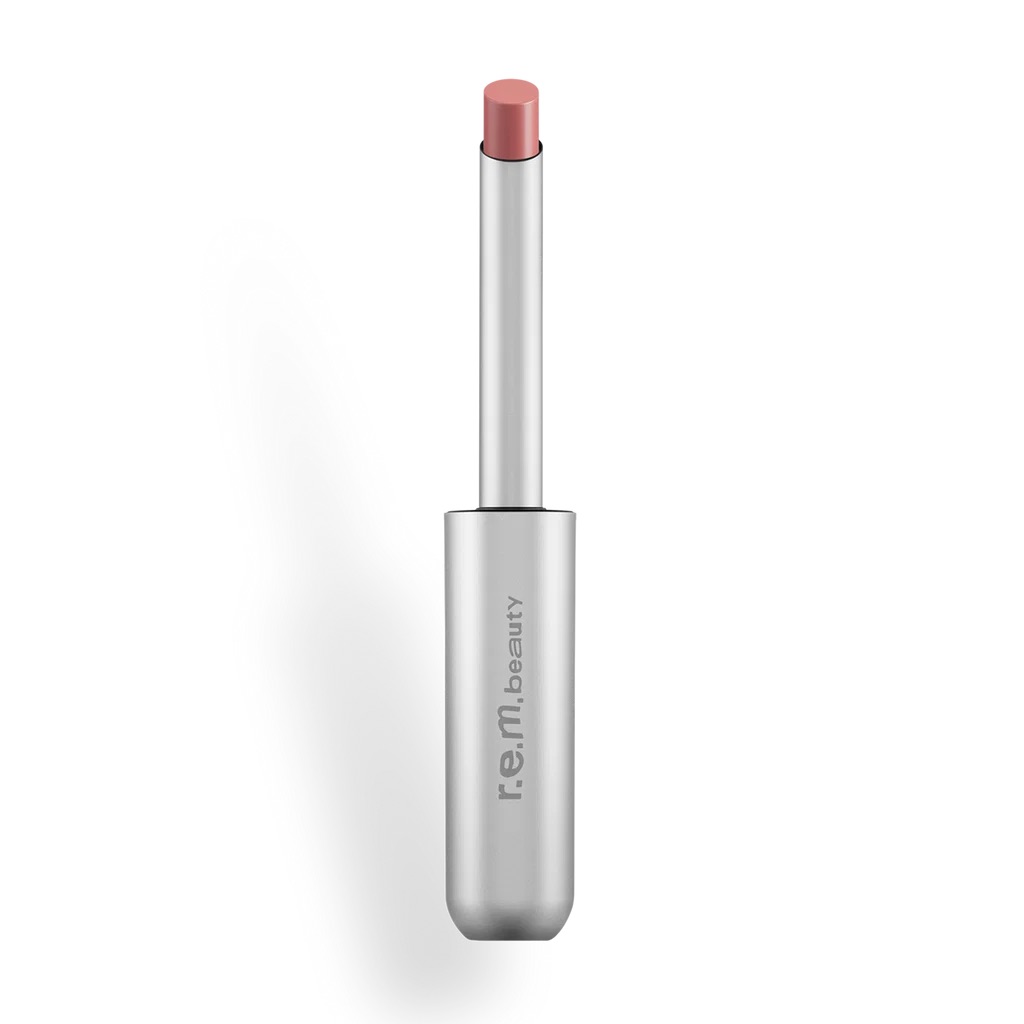
    1. On Your Collar Classic Lipstick

    This is a particularly smooth, lightweight, and easy-to-apply lipstick with a hydrating formula, creamy texture, and vivid color. The lipstick is also uniquely designed with a long, thin shape that ensures easy and precise application. The pigment is saturated and long-lasting, perfect for everyday or more formal makeup. 

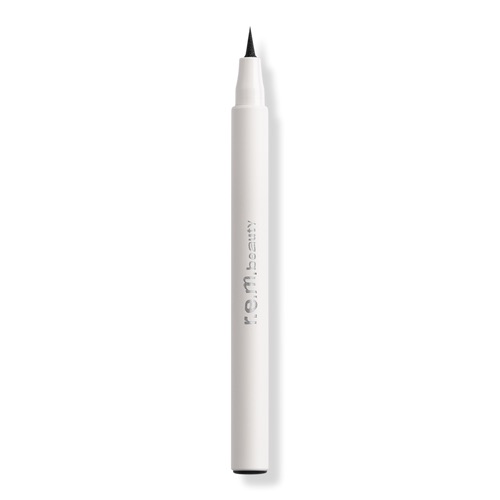
    1. At the Borderline Eyeliner Marker 

    This waterproof liner, named after one of my favorite Grande songs, has a precise felt tip, making the application effortless and sharp. And it dries incredibly fast so you won’t need to worry about smudging. The marker comes in various colors and is perfect for creating a clean, bold wing that will last you all day. 

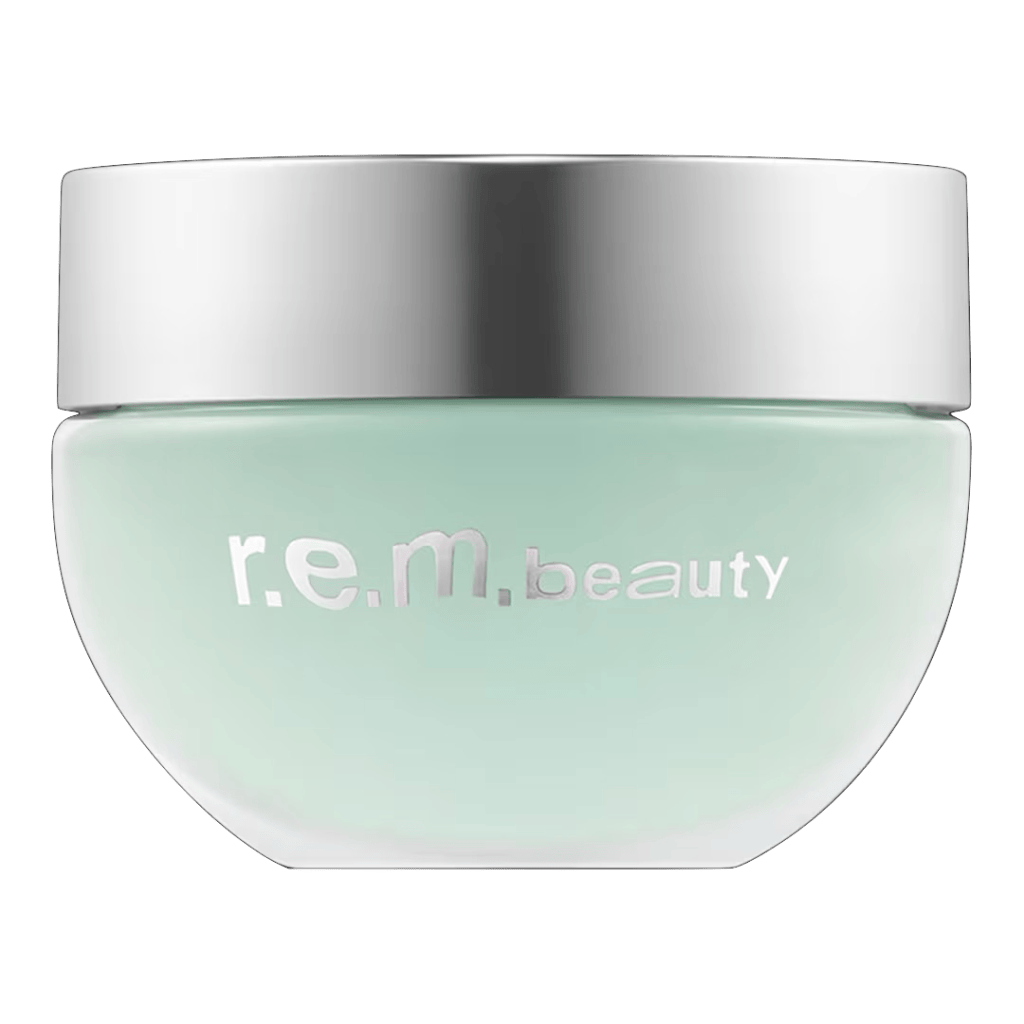
    1. Full Night’s Sleep Cooling Undereye Balm

    While primarily a makeup brand, R.E.M Beauty also features skincare products, such as this cooling undereye balm. This product soothes and moisturizes the skin on contact for instantly brighter, well-rested appearance. Its ingredients feature antioxidants, caffeine, and mushroom extract that helps blur imperfections, reduce puffiness, and clear dark circles. It can be worn alone or used as a primer for eye makeup.

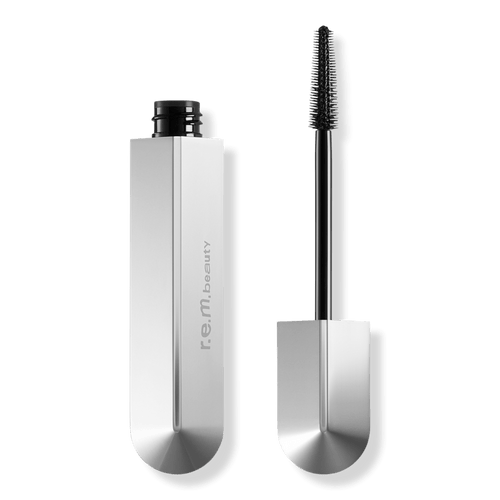
    1. Flourishing Lengthening Mascara

    This mascara is impressively weightless and buildable, gripping and elongating your lashes for natural definition without clumping or fallout. Uniquely formulated with a nourishing blend of naturally derived bamboo powder and Tahitian microalgae, this mascara is free of microplastics, parabens, silicone, and mineral oil. The molded brush is designed with equal distribution of bristles to paint and separate every lash, with a tapered tip to help reach the inner corner. I love how buildable it is as well as how quickly it dries. It provides the perfect tint and lengthening effect.

    1. Eclipse Blush and Lipstick

    Now I was most excited to try this product as I have been obsessed with liquid and cream blushes, and the Eclipse Blush and Lipstick did not disappoint. This 2-in-1 stick has quickly become my favorite new beauty discovery of 2026. It’s a versatile product that provides a creamy, buildable color with a long-lasting finish. With impressive ingredients like ultra-hydrating jojoba seed oil and antioxidant-rich grapefruit extracts, this blush glides right onto the skin for both a natural and a striking look, depending on your desired look. I have used it every day for work, going out, and formal occasions.

    With the sleek, space-themed packaging, high quality products, and easy application, R.E.M Beauty is a worthwhile investment for your beauty bag. These top 5 selections are perfect for all occasions and formulated with impressive ingredients. Several of these products have become staples in my day-to-day routines, and I hope they will for you as well.

  • Pickle Introduces “Some Like It Hot” at the Academy Museum

    Pickle Introduces “Some Like It Hot” at the Academy Museum

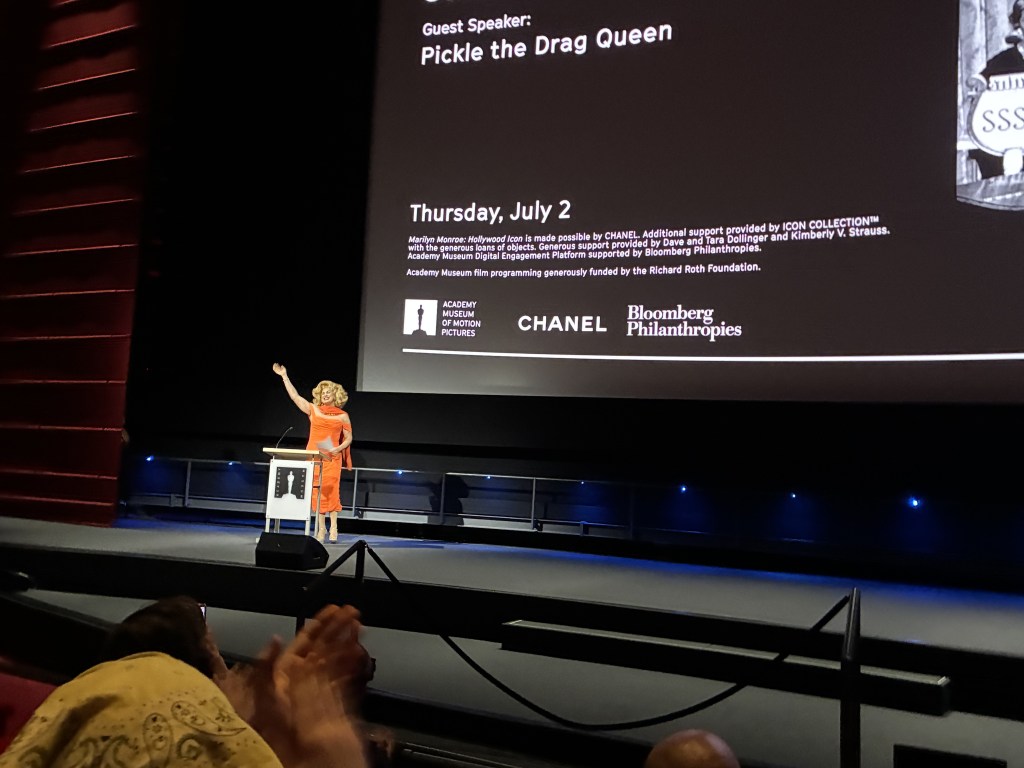
    The Academy Museum of Motion Pictures in Los Angeles celebrated the career of Marilyn Monroe with an exhibition in her honor: “Marilyn Monroe: Hollywood Icon,” featuring screenings of her films as well as original photographs, scripts, letters, costumes, and rare personal items on display for the first time ever.

    On Thursday, June 2, the museum screened a 4K restoration of Some Like It Hot, with Drag Laureate of West Hollywood, Pickle, presenting the film.

    Wearing a recreation of one of Monroe’s many iconic costumes from Gentlemen Prefer Blondes, Pickle inspired the audience with her discussion of the icon and her history with Some Like It Hot, calling the film “quintessentially Marilyn.”

    After she praised Monroe’s performance, Pickle compared the control Monroe exerted over her image and presentation to that of a drag queen, stating:

    “In drag, we conceal aspects of ourselves with big hair and makeup, or padding or costuming, but the irony is that in doing so we reveal a deeper truth about who we are. I like to say that in acting, you’re always in service of a bigger story being told, but in drag, you are the story. Marilyn embodied that, both in her work and her public life, and was very intentional about the story of Marilyn.”

    Billy Wilder’s Some Like It Hot is a classic comedy from 1959 known for its queer undertones. The film stars Tony Curtis and Jack Lemmon as two down-on-their-luck jazz musicians who disguise themselves as women after witnessing a mob murder, hiding out in an all-female band.

    Curtis and Lemmon spend the majority of their screentime in drag and often find themselves in overtly queer scenarios like when Lemmon is courted by a wealthy retiree and seems to genuinely express excitement over his marriage proposal.

    A drag performer named Barbette, a popular female impersonater from Paris in the 1920s/30s, was even hired on set to teach Curtis and Lemmon how to impersonate women.

    This queer material was very bold for the 1950s. All Hollywood movies at the time were expected to receive a seal of approval from the Motion Pictures Producers and Distributors of America but Some Like it Hot was considered too inappropriate. However, despite the disapproval of the Hays office, the studio released the film anyways and it ended up performing extremely well, which helped loosen censorship in Hollywood down the line.

    For those who missed this screening and any others in the Monroe series, the exhibition will remain open through February 2026, and the screenings will return in the fall. Specific dates are yet to be announced.

  • VFX Artist Calls Out AI Use in RuPaul’s“Stop! That! Train!”

    VFX Artist Calls Out AI Use in RuPaul’s“Stop! That! Train!”

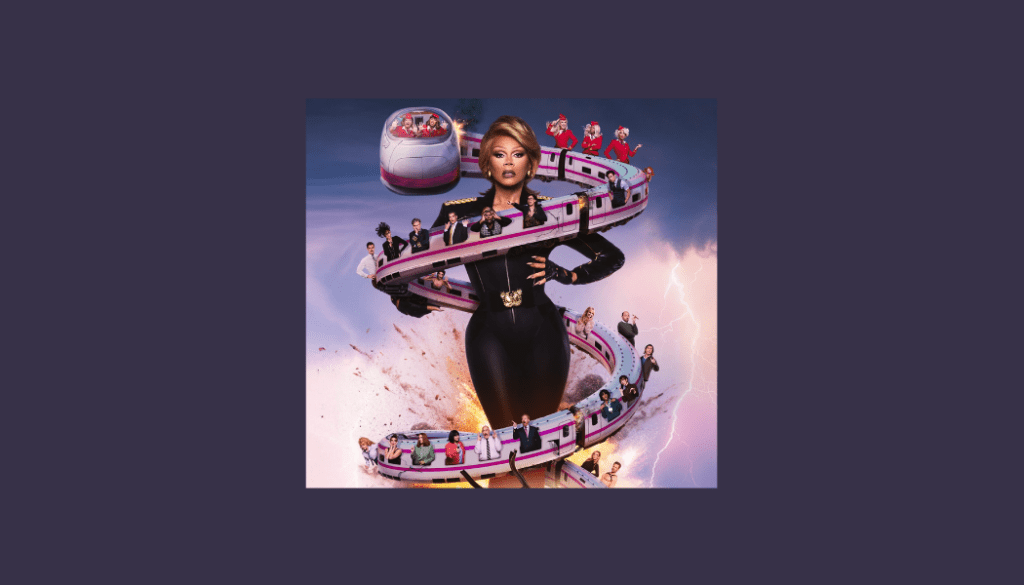
    In the weeks leading up to its theatrical release, RuPaul’s upcoming comedy Stop! That! Train! has been under immense scrutiny for its alleged use of AI-generated special effects. 

    Much of the controversy started when Gloria Cook, a VFX artist and experimental filmmaker, attended the film’s premiere in New York on May 28 and posted a review on Letterboxd shortly after, writing, “It’s one of the most conspicuous uses of AI I’ve seen in a film, with a lot of VFX looking like gen AI… Confirmed in the end credits that Acme AI was the top-billed VFX company on the film.”

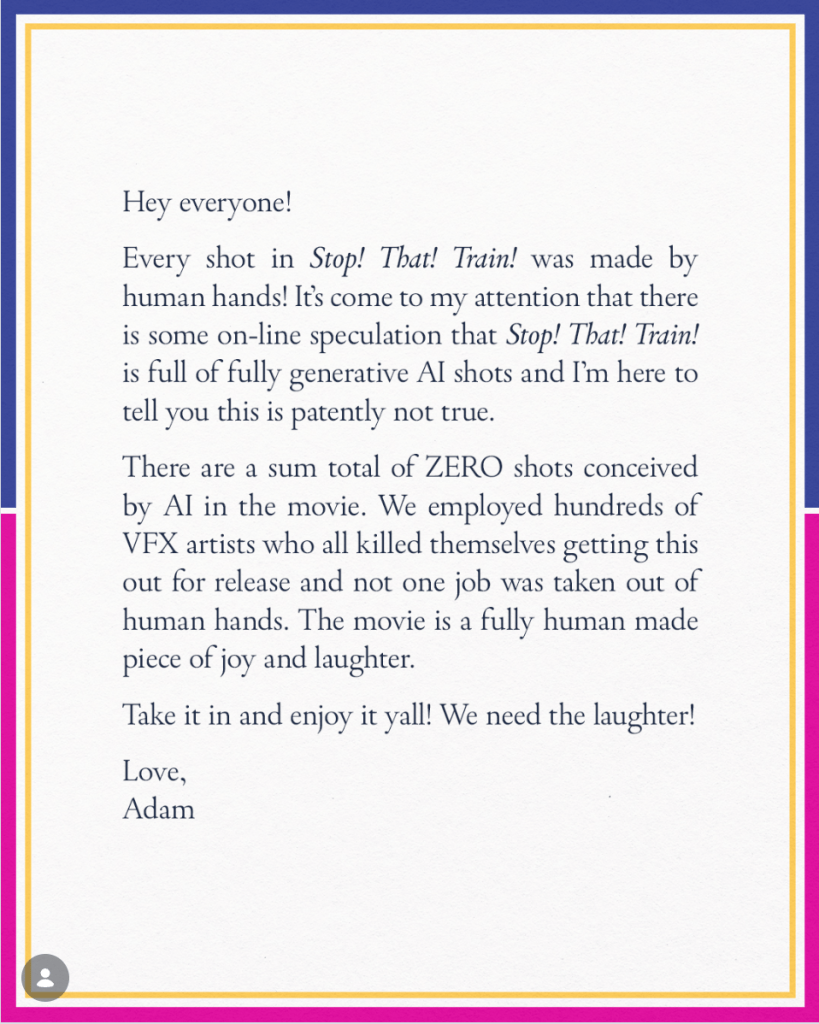
    After similar allegations rapidly spread across the internet, Shankman addressed the controversy on June 3, posting an official statement on Instagram, stressing that the movie was “made by human hands.” However, he notably did not address the undeniable collaboration with AI VFX companies.

    Cook, now clapping back at Shankman’s vehement denial, released a video pointing out several discrepancies in the movie, visible even in the film’s trailer.

    The train, for example, appears with a different number of windows in various shots, a suspicious detail since human VFX artists would have reused the same CG model for different shots. There would be no purpose in recreating and intentionally changing the amount and placement of windows.

    Additionally, there is a shot of the train crossing a bridge with one of its support legs completely missing, another highly suspicious detail.

    The IMDb credits list 26 compositing artists but not a single 3D or CG artist. No one is credited with creating the train assets, only with combining assets. While there is a chance that the IMDb credits are incomplete, Cook notes that “it feels like an odd omission, especially when these VFX shots could only be done with CGI… or AI. And AI requires no animators, only compositors to clean up shots and combine elements together.”

    Cook adds that proving these effects were not AI-generated would be fairly easy. “All [Shankman] has to do is post wireframes of these scenes to show off the 3D models.”

    But instead, he released a very carefully worded statement, dancing around the issue:

    Claiming that the movie doesn’t contain any “fully generative AI shots” (emphasis on “fully”) and that not a single shot was “conceived by AI” does not dispute the accusation that AI was used to generate special effects that would have otherwise been created by a human.

    Generative AI is extremely harmful to the environment, with data centers increasing carbon dioxide emissions and pressure on the electric grid, straining municipal water supplies, and disrupting local ecosystems. On top of that, it takes jobs away from actual people. But of course, it is faster and cheaper for a company to use generative AI than to pay a human being. So the only thing we can do to stop it is to make our anger known. Filmmakers must be held accountable for using generative AI; otherwise, its use in the film industry will only grow and become normalized. 

  • Drag Race Star Darlene Mitchell Ties the Knot

    Drag Race Star Darlene Mitchell Ties the Knot

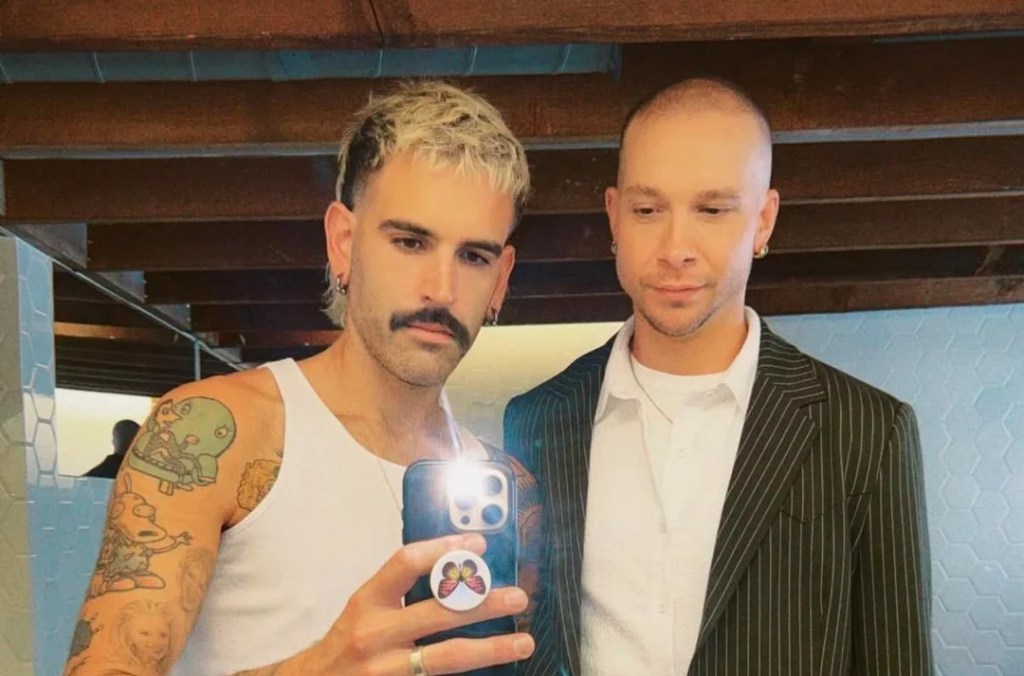
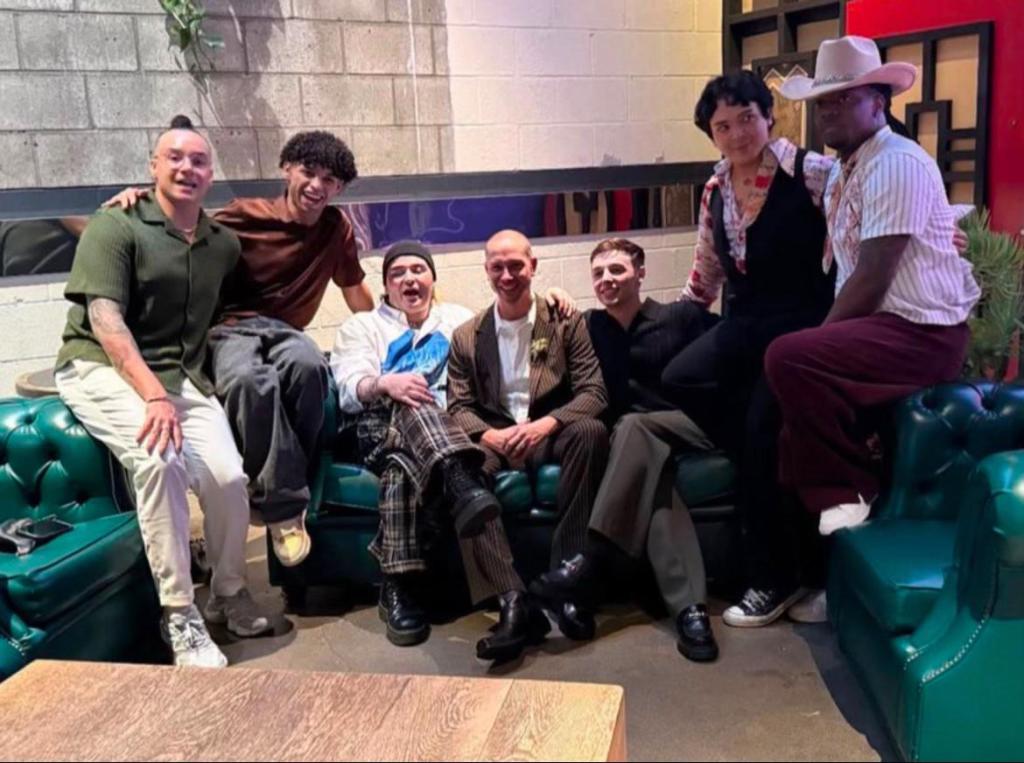
    Rupaul’s Drag Race season 18 contestant, Darlene Mitchell, married her partner of 10 years, Branden Marcus, on March 29th, 2026. Announcing the news on Instagram, Darlene wrote:

    “Anyways… it’s WEDDING DAY… TOP 4 AS A WEDDING GIFT WELL YES OF COURSE I DO THINK!”

    The couple celebrated with several of Darlene’s fellow drag race contestants attending the ceremony, such as Nini Coco, Juicy Love Dion, Jane Don’t, Mia Starr, Vita VonTesse Starr, and Briar Blush.

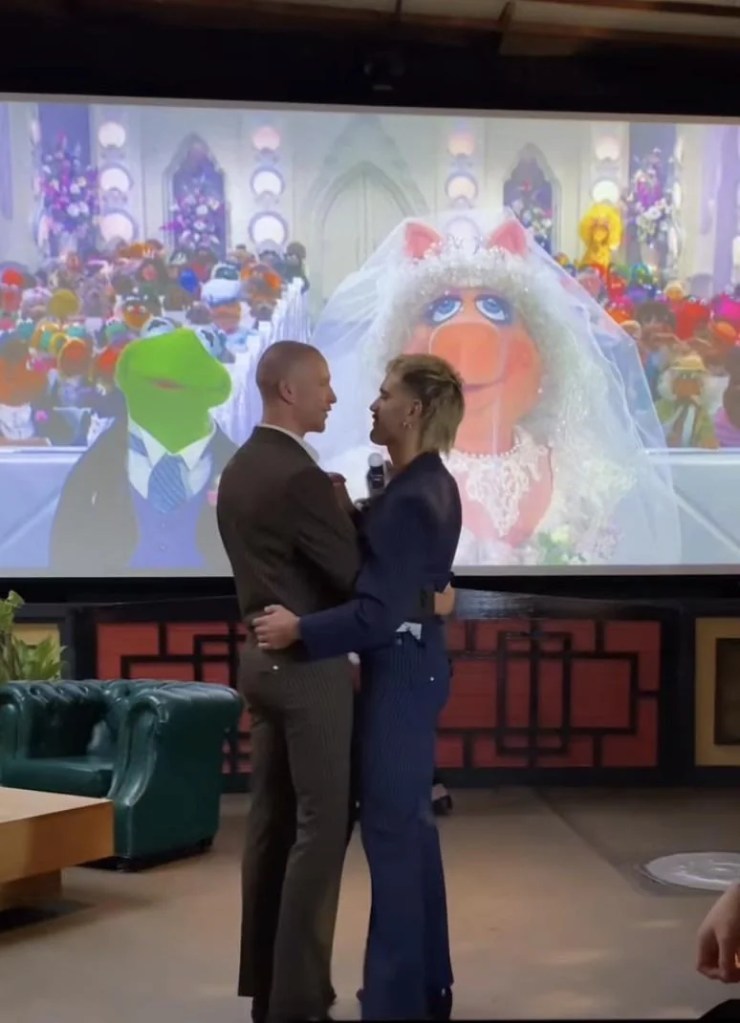
    Darlene’s strong sense of humor was ever-present at the ceremony, the couple performing their first dance to “Time After Time” by Cyndi Lauper while an image of Kermit the Frog and Miss Piggy (a scene from Muppets Take Manhattan) was projected behind them.

  • A Drag Queen’s Top 5 Favorite Makeup Products

    A Drag Queen’s Top 5 Favorite Makeup Products

    As a beauty concierge by day and drag queen by night, I consider myself a dedicated makeup connoisseur. While I’m always exploring new brands and tools, I have my staple products I come back to time and time again. Whether you’re interested in drag or more natural looking makeup, here are my top 5 picks of drugstore and luxury products perfect for both drag and everyday makeup looks!

    https://www.walmart.com/ip/Burts-Bees-100-Natural-Blush
    1. Burt’s Bees 100% Natural Blush with Vitamin E

    Available at Burtsbees.com – $9.99 (lasts 2-3 years)

    This might be a surprising first pick, as Burt’s Bees isn’t known for their makeup products, but I cannot express how much I love their blush. I discovered their makeup line at Target in 2020 and was immediately blown away by the “bare peach” shade. I use this at work, going out, and even in drag. It’s the only blush I’ve consistently received compliments on. While they’re no longer sold at Target, they’re still available at Burtsbees.com and Amazon!

    https://colourpop.com/products/avenue-of-the-stars
    1. Colourpop Body Glitter Gel 

    Available at Ulta or Colourpop – $10 (lasts 3-4 years)

    Glitter might not be an everyday essential, but it’s a fun way to add some shine to your look! ColourPop offers these glitter gels in an impressive range of colors and are extremely easy to apply. With just a couple dabs, I apply it along my cheekbones and next to my eyes, though they work beautifully as body glitter too. The stunning sparkle will make you instantly stand out on a night out!

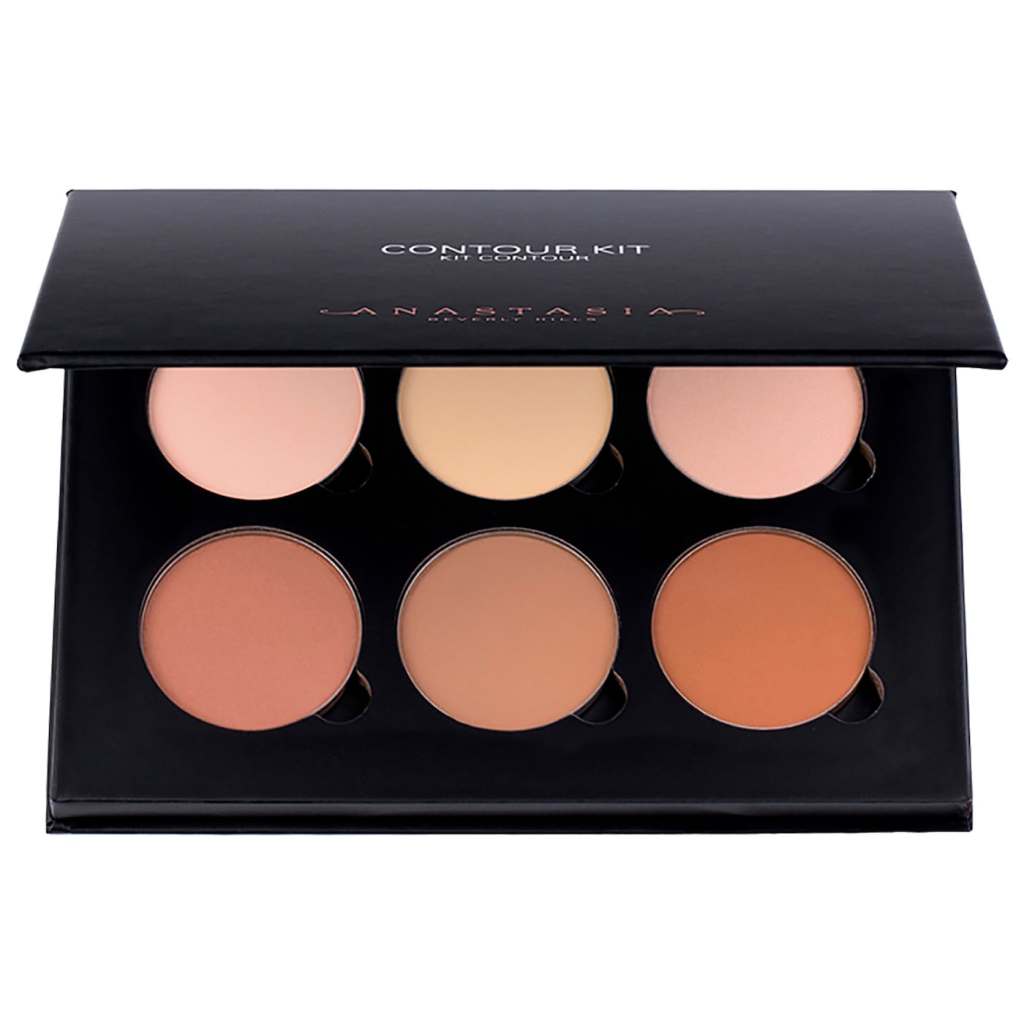
    https://www.sephora.com/product/contour-kit
    1. Anastasia Beverly Hills Contour Kit

    Available at Sephora – $40 (lasts 2-3 years)

    This is probably the least surprising and most popular entry on this list but for good reason! With six versatile shades for contouring and highlighting, it’s my go-to choice for sculpting my face and nose, both in and out of drag. I often use it to add depth to my eye makeup too. It’s hands down my most-used and most reliable product, with an impressive shelf life of two to three years.

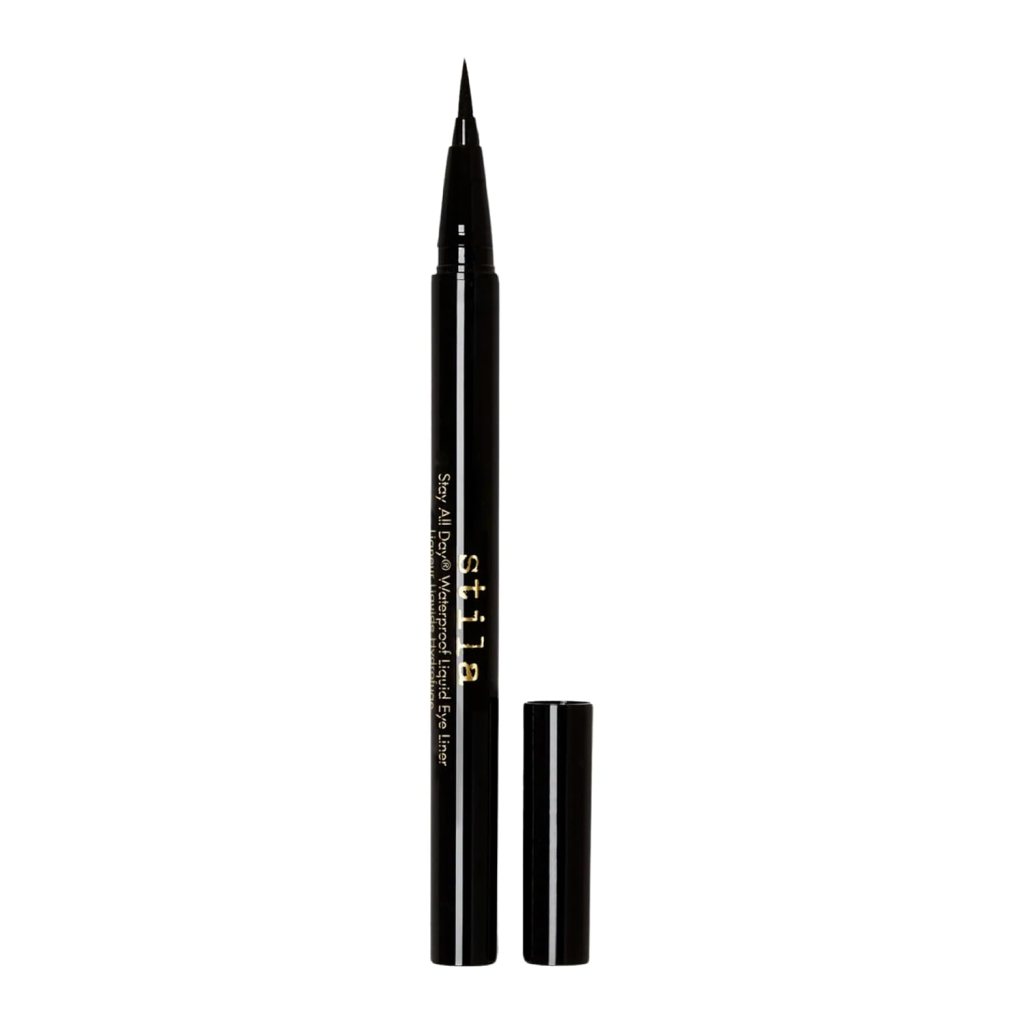
    https://www.amazon.com/stila-Waterproof-Lasting-Smudge-Proof-Transfer-Resistant
    1. Stila Stay All Day Waterproof Liquid Eyeliner

    Available at Sephora – $24 (lasts 6 months)

    For years, I experimented with different liners. Some pens would dry up after a couple months, others stayed wet too long and smudged after applying. This Stila liner is a fairly recent discovery of mine but I have used it everyday the past three months and it’s as precise and sharp as the first day I tried it. While there are more affordable liners out there, this product casts a clean, sharp look and dries quickly (without the pen itself drying up.) I can’t recommend it enough!

    https://www.amazon.com/Makeup-Revolution-London
    1. Revolution Soph X Highlighting Palette

    Available at Amazon – $15.47 (lasts 1-2 years)

    This is one of my all time favorite products. I have yet to discover a highlighter product with as many shades and as good quality. They have enough variations to suit multiple skin tones and makeup looks. When I want a more subtle, natural highlight, I use the light tan, but if I want a more intense look, the white shade casts a beautifully bright shine. Its shelf life is also decent, mine having lasted me 2+ years. The one downside is that they don’t sell these in stores anymore and only seem to be available on Amazon but it’s 100% worth it for the exceptional quality. I can’t recommend it enough.

    Every item on this list has earned its place for its versatility, value, longevity, and above all else, performance. Whether you have an existing beauty regimen or are just getting started on your makeup journey, these are great products to explore and add to your routine!