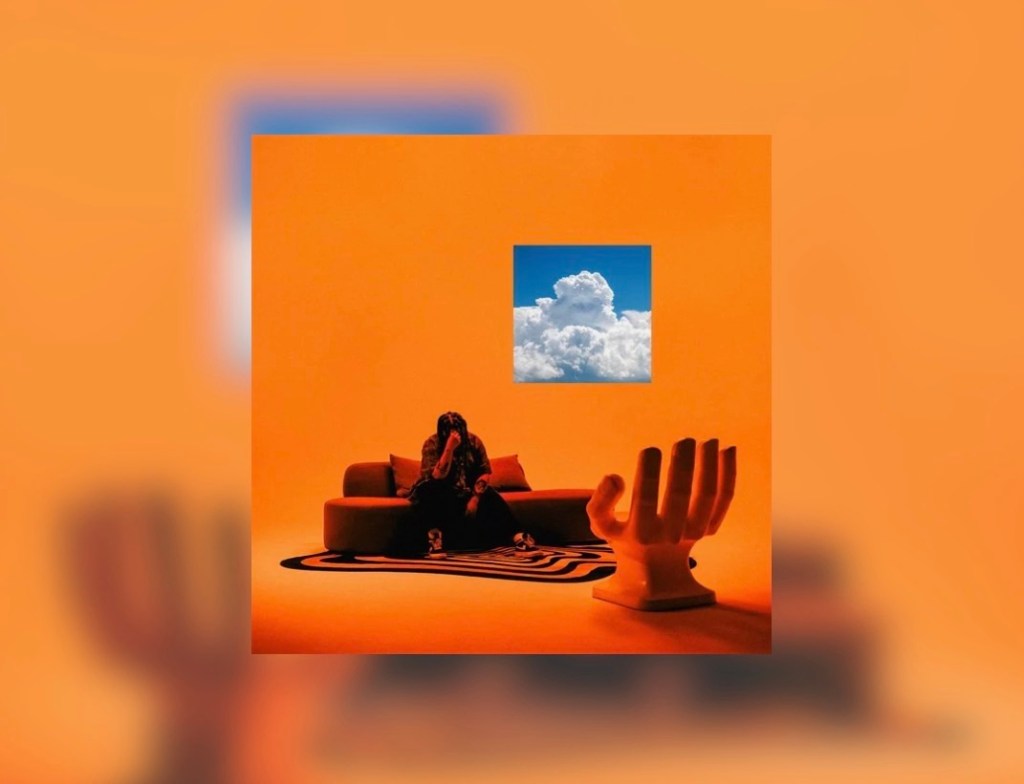
pure xtc, a queer, alternative/pop artist in Kansas City, Missouri, is releasing her debut album the woman I loved, the songs I kept on October 23. We had the chance to ask pure xtc about her history with the Midwest music scene, her artistic processes, and what we can expect within her messy and intimate new release.
the women I loved, the songs I kept is your debut album featuring 12-tracks and has been described as “messy and intimate.” Why was it important for this to be a messy debut and feature songs that didn’t glamorize or romanticize?
I didn’t want to clean up the stories just to make them sound better than they were. I think there’s something important about being honest about the parts of yourself that aren’t always flattering. It’s really easy to romanticize the past once you’ve had enough distance from it, but I wanted to capture how things actually felt when I was in them. The album is a collection of different versions of love, and not all of them were healthy or good for me, but they all taught me something. I think the messiness is what makes it feel human, and I wanted to leave that intact rather than try to tie everything up in a neat lil bow.
You originally started your music career as a drummer. What made you want to expand into singing?
During the pandemic, I was living in Jersey City, my drums were stored elsewhere, and I was going absolutely bonkers. My band was breaking up, and I needed an outlet. Singing and songwriting became a tool of survival for me. I needed a project where I could control the pace and have the creative freedom to follow my own instincts. That independence has been really rewarding. I still play drums and actually tracked them on a few songs on the album, but I’ve been learning to enjoy singing more and more over time. I think I finally started to settle into it during the making of this record. It took some time to find my footing, but now it feels a lot more natural.
Kansas City is integral to the lyricism of your album and to your own personal backstory. How has the city shaped you and what impacted the type of genre-bending music you create?
Honestly, Kansas City’s slower pace has given me the space I needed to hunker down and write. When I was living in Jersey City, I was creating in a room that was about the size of my current closet, haha. It was hard to really get into a creative headspace when I felt so cramped. My wife is from KC, and she promised that I’d have a dedicated room for a studio if we moved here, so that pretty much sealed the deal for me.
A lot of the memories and experiences that made their way onto this album happened when I was living in Jersey City and spending time in NYC. Moving to Kansas City gave me the space to sit with those experiences and turn them into songs. I think that contrast has shaped the record in a big way. The music pulls from a lot of different places, but at its core, it’s really just me figuring out how to tell these stories in a way that feels honest. Having the room to experiment and trust my instincts has been a big part of finding that sound.
What is the musical scene like in Kansas City and what do you think people should know about this city that they may be unaware of?
The scene here is small but thriving, and there’s a community that’s hungry for culture and new things. There’s a real sense of people showing up for each other, supporting local artists, and wanting to see the scene grow. I think people sometimes overlook Kansas City or don’t realize how much creativity is happening here, but there’s a lot of talent and room to build something. It’s a city that gives you space to experiment and find your people, and I think that’s a pretty special thing.
In your song ‘Lost Weekend’ one of the lines that stood out to me was “We were reckless, undefeated, till the real world came between us.” Have you experienced romantic relationships or friendships that collided with reality? And if so, how did reality shape or alter your perceptions of connection?
I’ve definitely had a few relationships collide with reality. My toxic trait is being a little too much of a dreamer sometimes, lol. I can get caught up in the potential of a connection and what it could be, rather than what it actually is. I think reality has taught me that chemistry and connection can be real, even if the relationship isn’t built to last. Sometimes you meet someone who changes you, but that doesn’t necessarily mean they’re meant to stay in your life. “lost weekend” came from reflecting on my first queer experience and how formative that connection was for me. It was one of those relationships that changed the way I understood myself, what I wanted from love, and how I approached connection.
Who are some of your queer artistic inspirations?
I grew up listening to Tegan and Sara. I even tried to replicate the mullet from The Con era in high school. I wish someone had stepped in and told me it wasn’t going to work with my curl pattern, lmao! Heartthrob was a really important album for me. Hearing Tegan and Sara fully embrace synth-pop was eye opening, and it opened my mind to how much you could evolve sonically as an artist while still maintaining your identity. MUNA’s Saves the World was also really important to me, especially from a production standpoint. I loved how they merged huge pop production and really personal songwriting. Both have influenced the way I think about making music and finding my own sound.
What is your creative process like, and how did this process evolve or change over the course of creating these 12 tracks?
This is a tough question because my process really changes from song to song. Sometimes it starts with a beat or a loop I really like, and I’ll just play it over and over until a melody or a lyric comes to me. Other times, I can be sitting at a bar with friends, someone will say something, and I’ll immediately pull out my phone and start writing in my notes app. I’m always collecting little moments from conversations or feelings to save for later.
I think the biggest change throughout making this album was learning to trust my initial instincts instead of overthinking everything. Early on, I would get caught up in trying to make a song into something bigger than it needed to be, whether that meant adding more production or second guessing line after line. As I worked through these 12 tracks, I started to understand the value of restraint and being more intentional with every decision. Sometimes the first idea is the best idea, and the more you try to perfect it, the further you get from what made it special in the first place.
Because these songs span different experiences and eras, I didn’t want to force them all into the same creative process or make them sound like they came from the same exact moment. I wanted each song to have its own identity while still feeling like part of the same world.
Ultimately, this record taught me to trust my gut, leave room for things to happen naturally, and recognize when a song is finished rather than continuing to pick it apart.
You’ve talked about “different versions of love.” Can you expand on that?
I think love looks different depending on who you are at the time and what you’re looking for from another person. There’s the kind of love where you feel seen, the kind where you’re chasing someone’s approval, the kind that feels exciting but probably isn’t good for you, and the kind that teaches you something about yourself. And then there’s the kind of love that sticks. Track three, “old wounds” is my wife’s song. It represents a different kind of love: one that feels grounded, safe and lasting. I think including that perspective on the album was important, too.
Looking back, I can see how much my understanding of love was defined by wanting to be wanted, sometimes at the expense of understanding what I actually needed. I think that’s a big part of what connects these songs. They’re not all about the same person or even the same kind of relationship, but they’re all snapshots of me trying to figure out where I fit into someone else’s life without losing myself in the process. I didn’t necessarily have those answers when I was writing them, and I think that’s what makes the album feel so honest. It’s less about having everything figured out and more about being able to look back at those experiences and recognize who I was in each of them.
Do you think queer people approach love and connection in different ways than heterosexual peers?
I can’t speak for everyone, but personally, I think there’s more freedom in queer relationships to figure out what love looks like on your own terms. You’re not necessarily following the same blueprint you grew up seeing, so you have to figure out a lot of it for yourself, and I think that kind of freedom is really beautiful.
What would you like listeners to take away from when they finish listening to the women I loved, the songs I kept?
I hope listeners can come away feeling a little less alone in their own experiences. A lot of these songs are about things that aren’t always easy to admit, like wanting someone’s approval, holding onto a version of someone that doesn’t really exist, or realizing you’ve outgrown a person you once thought you couldn’t live without, etc. I think we put a lot of pressure on ourselves to make sense of everything while we’re going through it, and sometimes you don’t get that clarity until years later. I want people to be able to listen and reflect on their own experiences, even the messy ones, with a little more understanding and grace. Not every relationship (friendship included) is meant to last, but that doesn’t mean it was meaningless. Sometimes all you get to keep are the memories and what you learned from them.
pure xtc’s debut album the woman I loved, the songs I kept is available on October 23. Be sure to check it out on all music platforms.

