
In the weeks leading up to its theatrical release, RuPaul’s upcoming comedy Stop! That! Train! has been under immense scrutiny for its alleged use of AI-generated special effects.
Much of the controversy started when Gloria Cook, a VFX artist and experimental filmmaker, attended the film’s premiere in New York on May 28 and posted a review on Letterboxd shortly after, writing, “It’s one of the most conspicuous uses of AI I’ve seen in a film, with a lot of VFX looking like gen AI… Confirmed in the end credits that Acme AI was the top-billed VFX company on the film.”
After similar allegations rapidly spread across the internet, Shankman addressed the controversy on June 3, posting an official statement on Instagram, stressing that the movie was “made by human hands.” However, he notably did not address the undeniable collaboration with AI VFX companies.
Cook, now clapping back at Shankman’s vehement denial, released a video pointing out several discrepancies in the movie, visible even in the film’s trailer.
The train, for example, appears with a different number of windows in various shots, a suspicious detail since human VFX artists would have reused the same CG model for different shots. There would be no purpose in recreating and intentionally changing the amount and placement of windows.
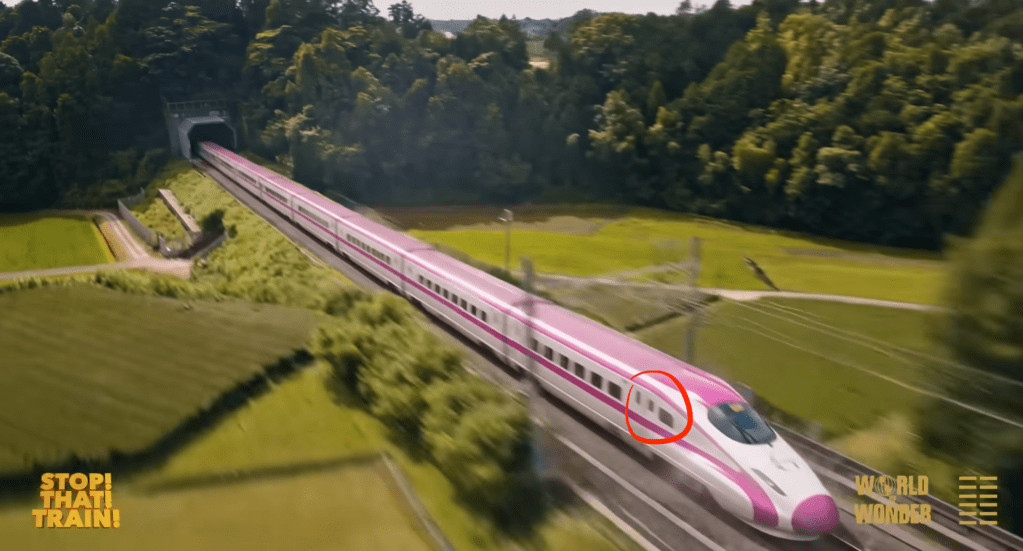
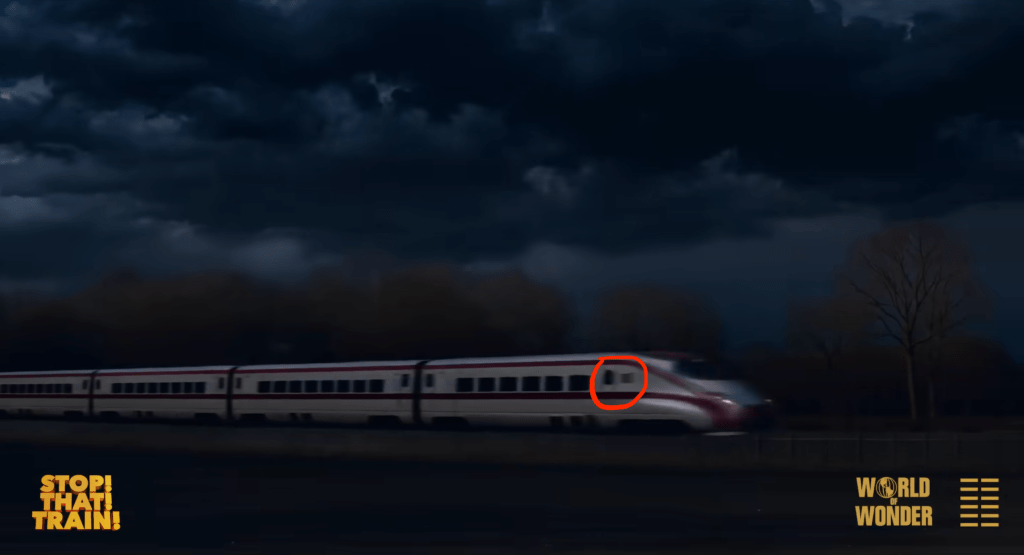
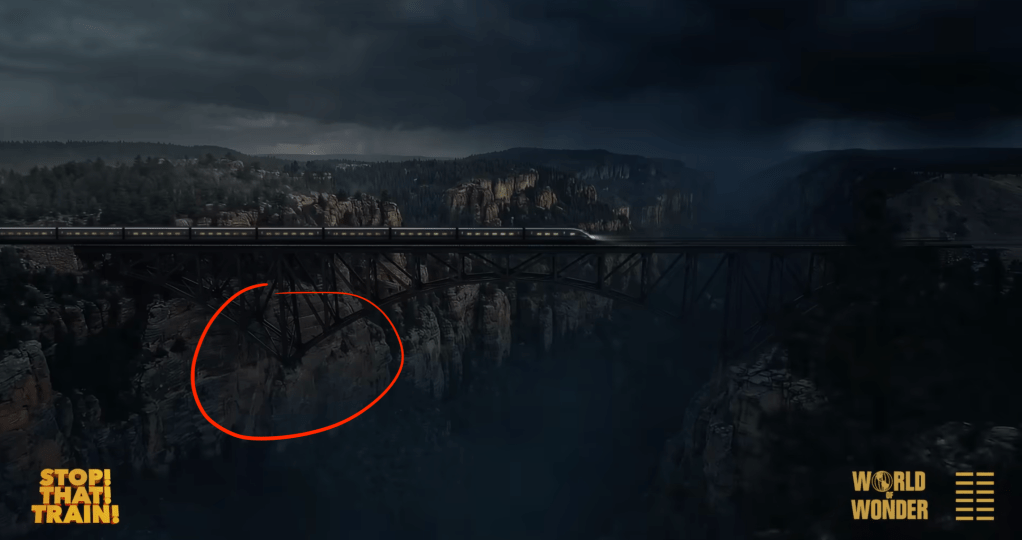
Additionally, there is a shot of the train crossing a bridge with one of its support legs completely missing, another highly suspicious detail.
The IMDb credits list 26 compositing artists but not a single 3D or CG artist. No one is credited with creating the train assets, only with combining assets. While there is a chance that the IMDb credits are incomplete, Cook notes that “it feels like an odd omission, especially when these VFX shots could only be done with CGI… or AI. And AI requires no animators, only compositors to clean up shots and combine elements together.”
Cook adds that proving these effects were not AI-generated would be fairly easy. “All [Shankman] has to do is post wireframes of these scenes to show off the 3D models.”
But instead, he released a very carefully worded statement, dancing around the issue:
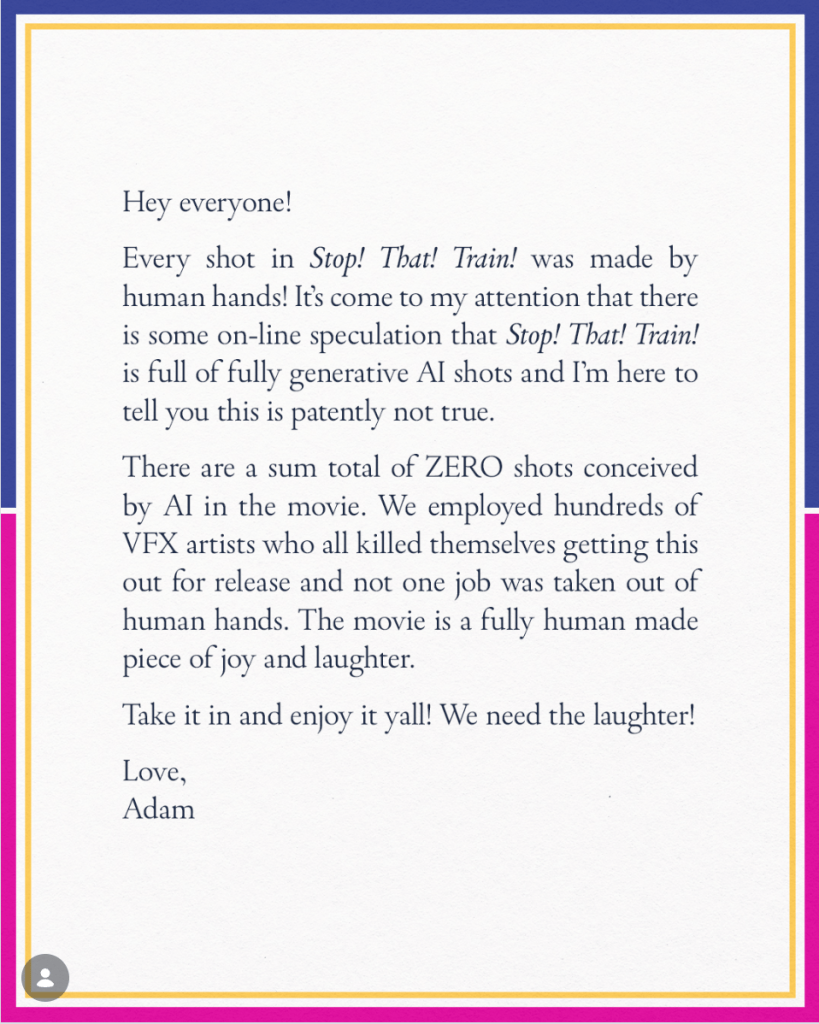
Claiming that the movie doesn’t contain any “fully generative AI shots” (emphasis on “fully”) and that not a single shot was “conceived by AI” does not dispute the accusation that AI was used to generate special effects that would have otherwise been created by a human.
Generative AI is extremely harmful to the environment, with data centers increasing carbon dioxide emissions and pressure on the electric grid, straining municipal water supplies, and disrupting local ecosystems. On top of that, it takes jobs away from actual people. But of course, it is faster and cheaper for a company to use generative AI than to pay a human being. So the only thing we can do to stop it is to make our anger known. Filmmakers must be held accountable for using generative AI; otherwise, its use in the film industry will only grow and become normalized.

