Tag: lgbtq

  • VFX Artist Calls Out AI Use in RuPaul’s“Stop! That! Train!”

    VFX Artist Calls Out AI Use in RuPaul’s“Stop! That! Train!”

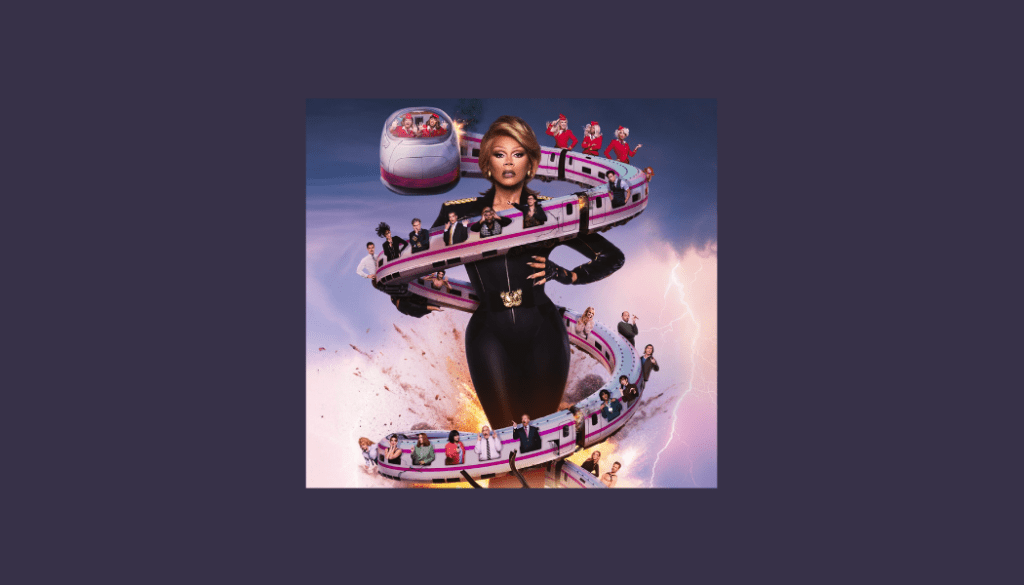
    In the weeks leading up to its theatrical release, RuPaul’s upcoming comedy Stop! That! Train! has been under immense scrutiny for its alleged use of AI-generated special effects. 

    Much of the controversy started when Gloria Cook, a VFX artist and experimental filmmaker, attended the film’s premiere in New York on May 28 and posted a review on Letterboxd shortly after, writing, “It’s one of the most conspicuous uses of AI I’ve seen in a film, with a lot of VFX looking like gen AI… Confirmed in the end credits that Acme AI was the top-billed VFX company on the film.”

    After similar allegations rapidly spread across the internet, Shankman addressed the controversy on June 3, posting an official statement on Instagram, stressing that the movie was “made by human hands.” However, he notably did not address the undeniable collaboration with AI VFX companies.

    Cook, now clapping back at Shankman’s vehement denial, released a video pointing out several discrepancies in the movie, visible even in the film’s trailer.

    The train, for example, appears with a different number of windows in various shots, a suspicious detail since human VFX artists would have reused the same CG model for different shots. There would be no purpose in recreating and intentionally changing the amount and placement of windows.
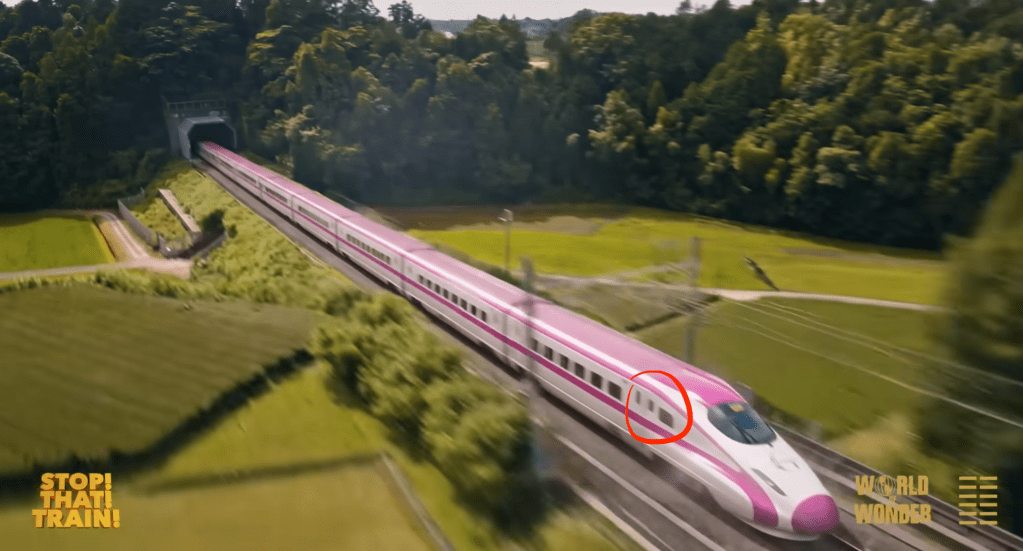

    Additionally, there is a shot of the train crossing a bridge with one of its support legs completely missing, another highly suspicious detail.

    The IMDb credits list 26 compositing artists but not a single 3D or CG artist. No one is credited with creating the train assets, only with combining assets. While there is a chance that the IMDb credits are incomplete, Cook notes that “it feels like an odd omission, especially when these VFX shots could only be done with CGI… or AI. And AI requires no animators, only compositors to clean up shots and combine elements together.”

    Cook adds that proving these effects were not AI-generated would be fairly easy. “All [Shankman] has to do is post wireframes of these scenes to show off the 3D models.”

    But instead, he released a very carefully worded statement, dancing around the issue:
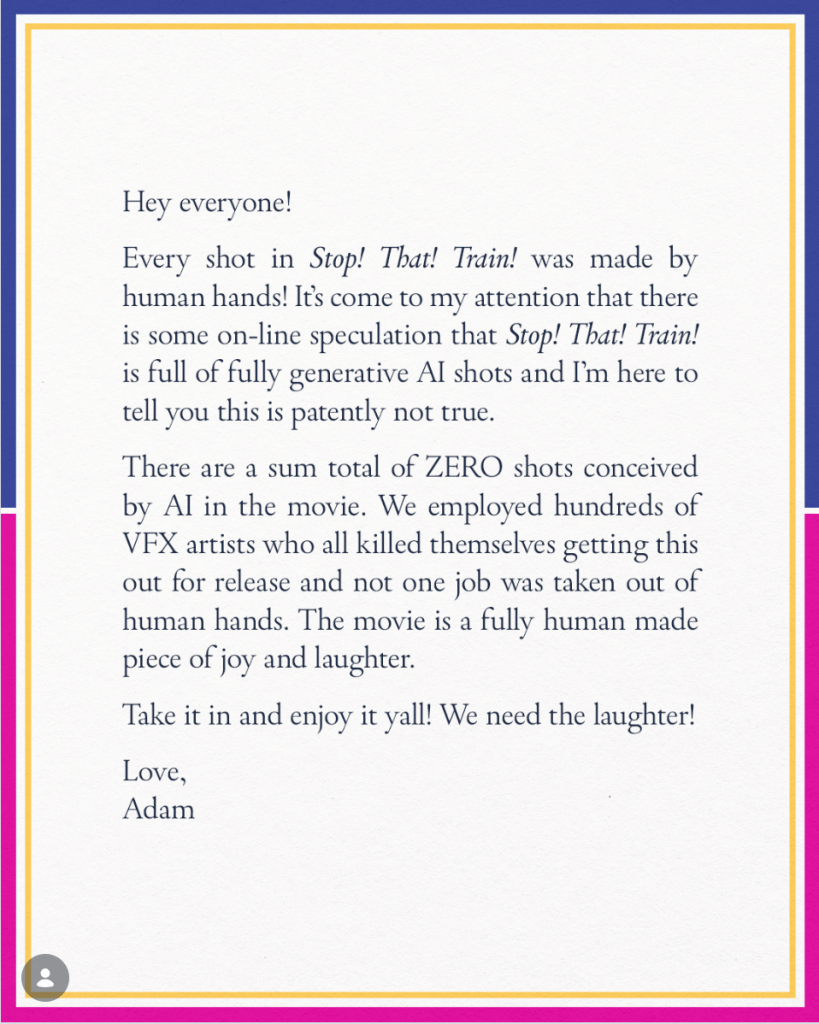
    Claiming that the movie doesn’t contain any “fully generative AI shots” (emphasis on “fully”) and that not a single shot was “conceived by AI” does not dispute the accusation that AI was used to generate special effects that would have otherwise been created by a human.

    Generative AI is extremely harmful to the environment, with data centers increasing carbon dioxide emissions and pressure on the electric grid, straining municipal water supplies, and disrupting local ecosystems. On top of that, it takes jobs away from actual people. But of course, it is faster and cheaper for a company to use generative AI than to pay a human being. So the only thing we can do to stop it is to make our anger known. Filmmakers must be held accountable for using generative AI; otherwise, its use in the film industry will only grow and become normalized. 
  • QUEER x hope you have a good time: New Art Show in LA

    QUEER x hope you have a good time: New Art Show in LA

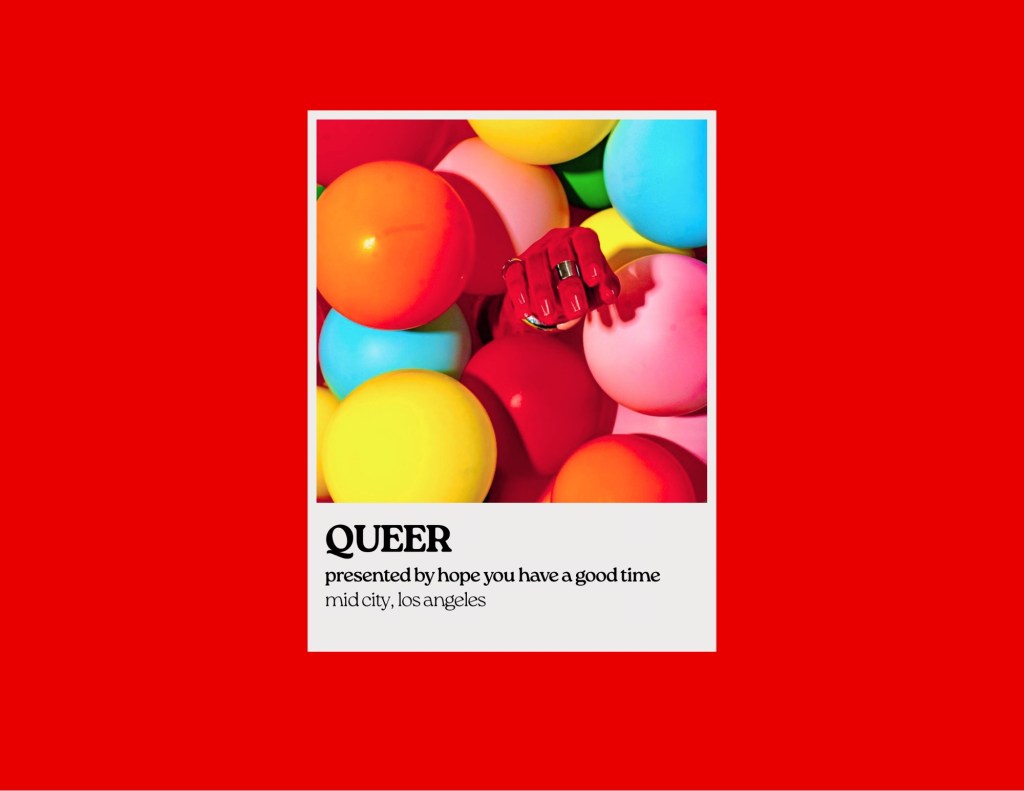
    QUEER x hope you have a good time is an art show in Mid-City Los Angeles, bringing together over 20 artists responding to the following quote from Bell Hooks:

    “[queer] not as being about who you’re having sex with – that can be a dimension of it – but queer, as being about the self that is at odds with everything around it and has to invent and create and find a place to speak and to thrive and to live.”

    HYHAGT × QUEER explores the self at odds with the surrounding world, featuring art installations from 20+ artists, tarot card reading, community art experiences, donation-based drinks, and a DJ set by Emily Alegria.

    The marketplace and gallery will be open on May 30th from 5-10pm.

    Click here to RSVP

  • RuPaul’s Drag Race Star, Honey Davenport, Wins IML

    RuPaul’s Drag Race Star, Honey Davenport, Wins IML

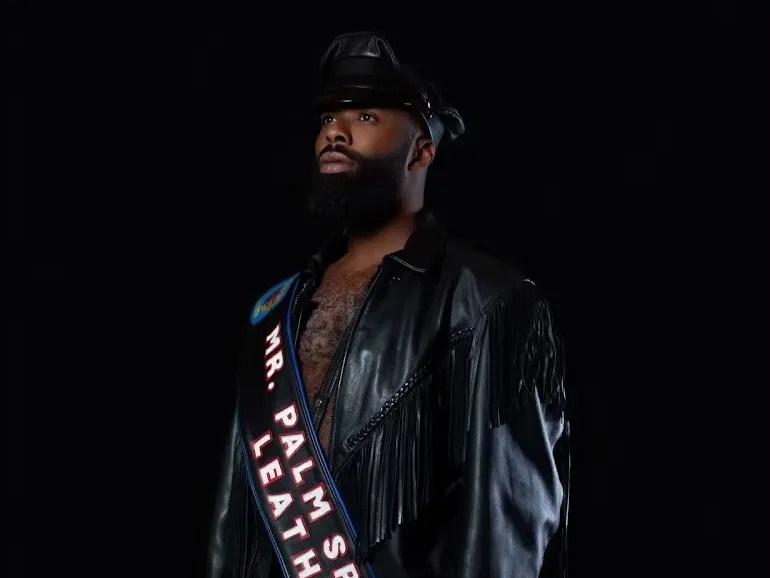
    RuPaul’s Drag Race star, Honey Davenport, wins IML (International Mister Leather) 2026, a multi-day competition and fetish event based in Chicago.

    Davenport is best known for her appearance on season 11 of RuPaul’s Drag Race. Seven years later, they are revealing a whole new side of themselves to the world. 

    After moving to Palm Springs and finding a sense of community in the local gay leather scene, Davenport realized this was more than an interest but a passion. After winning Mr. Palm Springs Leather, IML was the next logical step.

    During the contest, Davenport introduced themselves to the audience with the same line they used on Drag Race: “There’s only one thing you need to know about me. This honey is raw and unfiltered.”

    Shortly before the final night of the contest, Davenport took to instagram to say:

    “When I walked into the work room of [Drag Race], I said my tag line. When I walked on The [IML] stage, I spoke my truth. Same words with new meanings.”

    After their win, Davenport shared “And just like that history was made. I am your new [Mister International Leather] 2026. This was definitely a hard one but well worth the blood, sweat and tears. I am so grateful for all of kind words, hard work, and sponsorship my community gave me on this journey. Together we brought this sash home.”

    Davenport is the first Drag Race queen to win the title and marks the second year in a row that the title has gone to a Mr Palm Springs titleholder. The runners-up this year were Sgt. Alex (Mr. Cincinnati Leather 2025) and Denzel Belin (Mr. Twin Cities Leather 2026).

  • At Cannes, Rami Malek Describes ‘Fear’ of Playing Another Gay Character

    At Cannes, Rami Malek Describes ‘Fear’ of Playing Another Gay Character

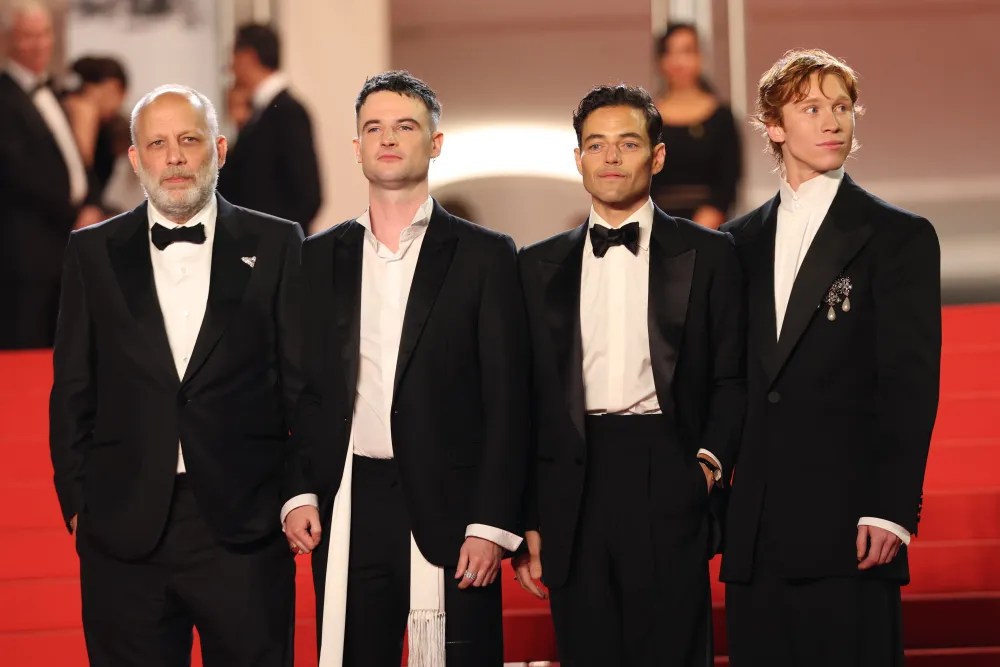
    After The Man I Love debuted at Cannes this week, Rami Malek made comments about his initial hesitation to accept the role of Jimmy George, a gay theater artist in the 1980s diagnosed with AIDS. The character was originally intended for queer actor Ben Whishaw, who had to drop out due to another commitment. Though Malek is a talented actor, it is a shame that director Ira Sachs didn’t prioritize casting another queer actor in Whishaw’s place.

    When the film screened at Cannes, Malek told reporters: “When I read the script, I said, ‘I can’t do this,’” noting too many similarities between Jimmy George and Freddie Mercury, the latter of whom Malek portrayed in Bohemian Rhapsody back in 2018, winning him the Academy Award for Best Actor.

    “There was a certain sense of fear,” Malek said. “And I started to really think about what I was afraid of. Was it the similarities? Was it the singing? Was it obviously what was going on in the period? And the fear was, I knew I had to address the fear.”

    Malek further reflected on his performance as Freddie Mercury, stating, “If there’s anything Freddie taught me, it was ‘address the fear.’ And when I raced into it, I started to discover that these were men that were similar, but they were also worlds apart . . . You have an icon, a legend in Freddie, who really had a destination, whereas Jimmy is just searching for creativity and love and intimacy and joy and pleasure in every moment.”

    The film received an eight-minute standing ovation at Cannes and initial reactions to the film have mostly been positive. However, this expression of “fear” from Malek comes across as somewhat tone-deaf, given the frequent backlash when straight actors play queer characters.

    The majority of roles in Hollywood are already written for straight, cisgender men, so it’s frustrating to see Malek taking this role from a queer actor. It’s even more frustrating to see Malek admit that he was scared to play “another” gay character with AIDS, and how he feels the need to justify the decision, when a queer actor likely wouldn’t feel the need to address it all . . .

    Although it is noteworthy that there is more queer representation in Hollywood (and at Cannes) in 2026, queer actors are not getting cast in lead roles. LGBTQ+ actors are out there, but as long as bigger names are prioritized for these roles, it remains extremely difficult for queer actors to break into the industry and make a name for themselves.

  • Blair Davie’s “So What?” is a Passionate Declaration of Love

    Blair Davie’s “So What?” is a Passionate Declaration of Love

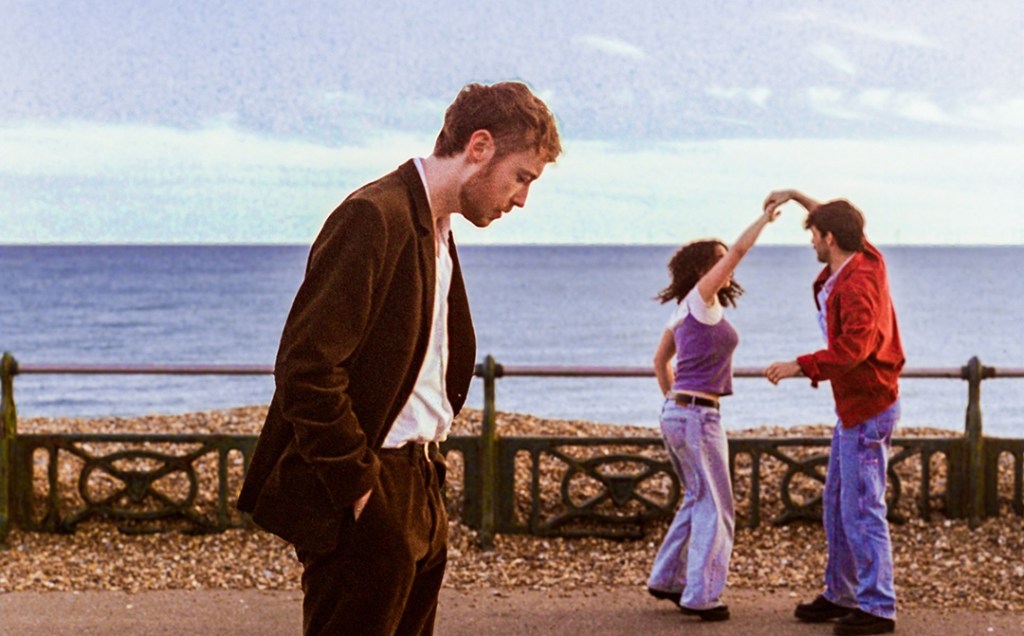
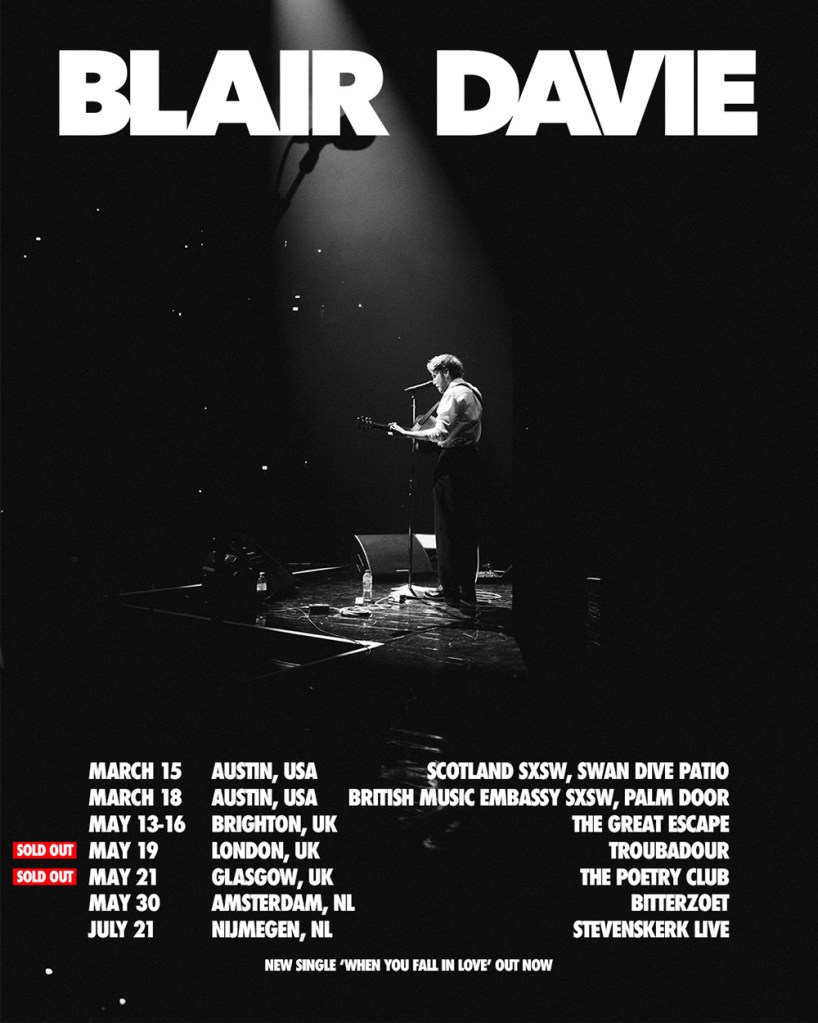
    Openly queer and non-binary singer Blair Davie released the single So What on May 13th, featuring not only the title song but an additional track, “When You Fall In Love,” which was initially released as its own single on March 11th.

    Known for songs like “Lovely,” “Butterflies,” and “Wouldn’t Be Right,” Davie frequently showcases passionate, raw vocals and heartfelt lyrics. Romance is a recurring motif in their music, and this latest release is no exception.

    “So What?” is a passionate declaration of love, with Davie singing, “I think we’re set for life,” transitioning into the chorus, which expresses finding happiness through love, after years of “hell,” and essentially asking their partner if they feel the same, ending the song with:

    "And I got my eyes on you
    And I bet my life on you
    Spent all of my time on you
    So what are you gonna do?
    "

    The lyrics are sugary sweet with an upbeat, perky melody to match. It’s a lovely feel-good expression of love and finding someone you want to spend the rest of your life with.

    “When You Fall In Love,” on the other hand, has a much more somber, soulful sound, but an equally romantic message. With beautiful acoustic instrumentation accompanied by Davie’s soft hums, the lyrics read almost like a letter to Davie’s past self, feeling isolated and broken, urging them to hang in there because good things are on the horizon.

    "Good things just need the right time
    And you don’t know yet
    But it’s coming
    Someone’s out there, yeah
    Makes it worth it"

    Through love, Davie has found stability and a sense of belonging, soulfully declaring quite frankly, “When you fall in love/ It’ll save you.”

    The song is melancholic yet hopeful, with Davie sending love to their past self, who was hurting and alone, now feeling healed and in a healthy, loving relationship.

    These two songs showcase Davie’s versatility and mark an exciting start to 2026. The singer is currently on tour through July 21, and their next EP, “You Like Ugly, Don’t You Babe?” is coming out on September 9th, 2026.

  • L.A. Queer Zine Fest Comes to USC this Sunday

    L.A. Queer Zine Fest Comes to USC this Sunday

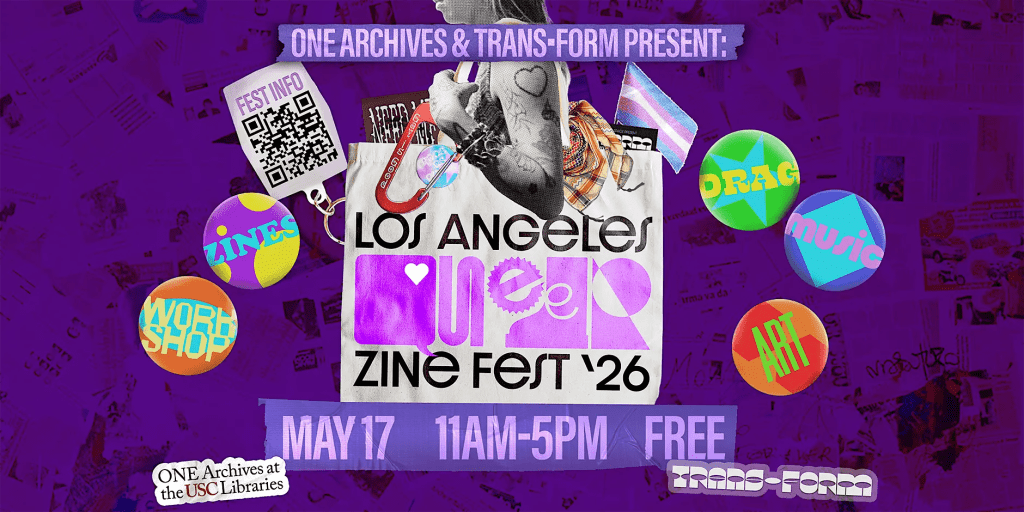
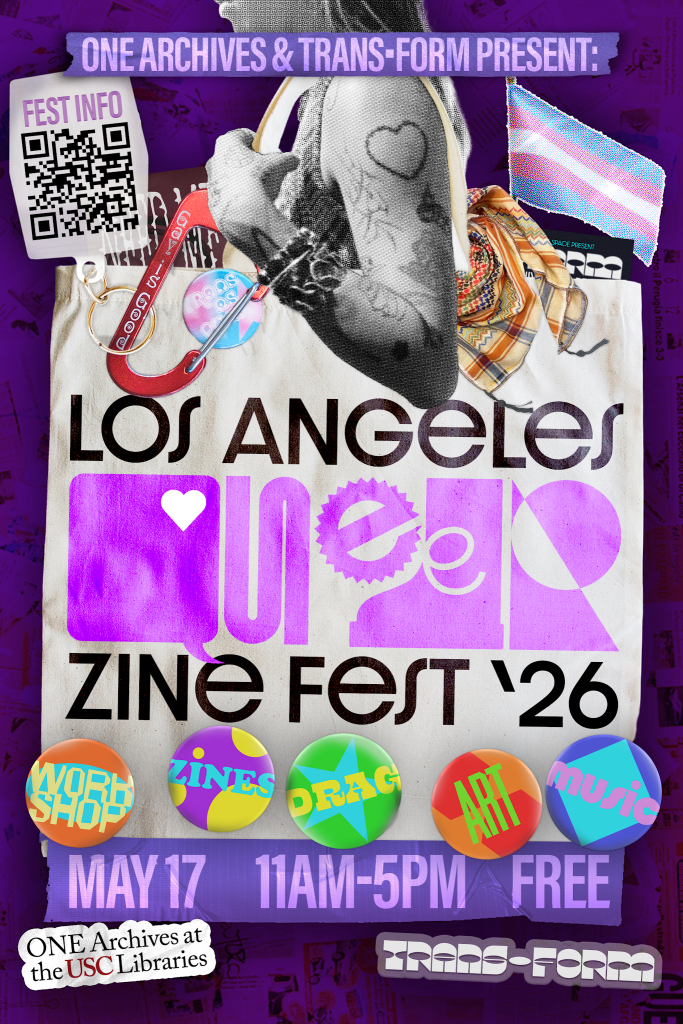
    Los Angeles Queer Zine Fest, a one-day celebration of queer and trans zine makers, artists, printmakers, publishers, and performers, is taking place this Sunday at the ONE Archives at the USC Libraries. The event will combine: 

    (1) 45+ queer and trans-identifying vendors;
    (2) live drag performances, music, and poetry; and
    (3) a zine-making workshop. 

    Per the ONE Archives, zines “have long been a tool for queer and trans people to document our lives, share resources, tell our stories, build community, and create outside of traditional publishing.” Building on this tradition, the L.A. Queer Zine Fest intends to “platform queer voices and encourage participation in the preservation and celebration of queer history.”

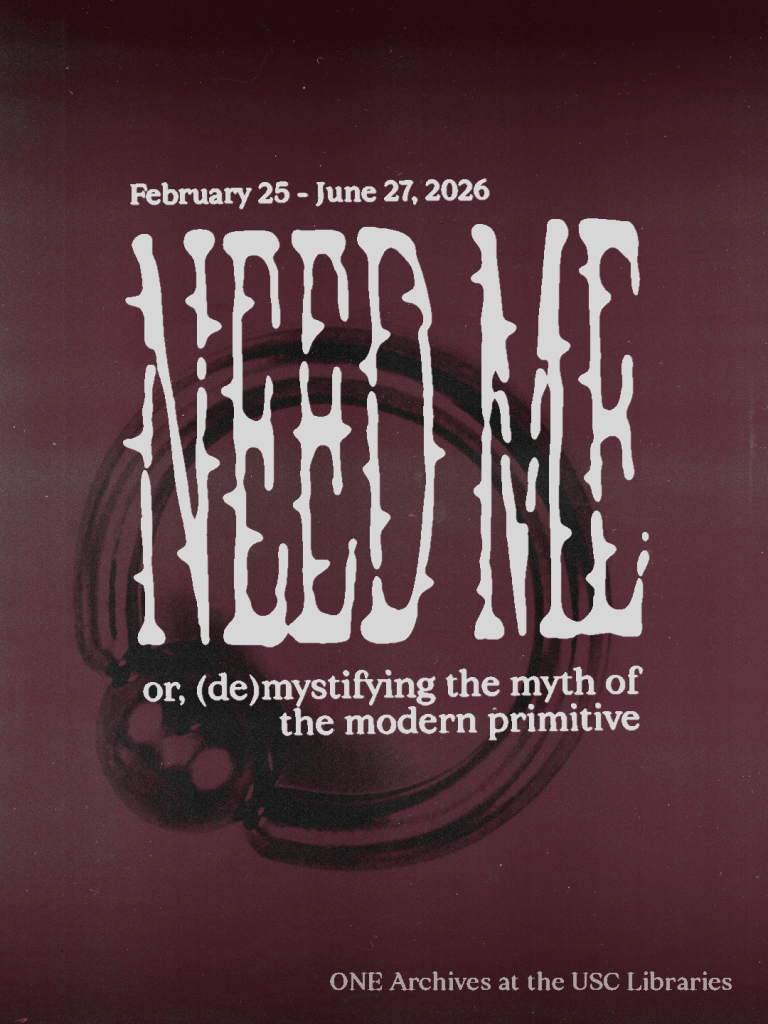
    During the 2026 Fest, guests are encouraged to visit NEED ME, or, (de)mystifying the myth of the modern primitive, which is billed as “the first ever public exhibition to present the Western history of body piercing and its roots in queer history.” NEED ME will highlight the artwork and ephemera of queer individuals who were essential to modern piercing history, including Catherine Opie, Ron Athey, Bob Flagan & Sheree Rose, Leigh Bowery, Annie Sprinkle, and Efrain Gonzales.

    Founded in 1952, the ONE Archives is the largest repository of LGBTQ+ materials in the world, containing millions of items including art, books, films, videos, audio recordings, and periodicals. The Fest is presented by TRANS•FORM, a growing programming series of workshops, performances, and community events which “creates space in the world for trans people through art, resources, and collective care.” The Fest is free of charge and open to the public. RSVP is not required, but encouraged. The Fest will take place in the ONE Archives parking lot. Public transportation (Metro E Line) is encouraged. Aside from street parking, a paid lot is a 2-minute walk from the Fest.


    May 17, 2026, 11 a.m. to 5 p.m.
    Free
    ONE Archives at the USC Libraries, 909 West Adams Boulevard, L.A., CA 90007

  • Artist As Catalyst Comes to Santa

    Artist As Catalyst Comes to Santa

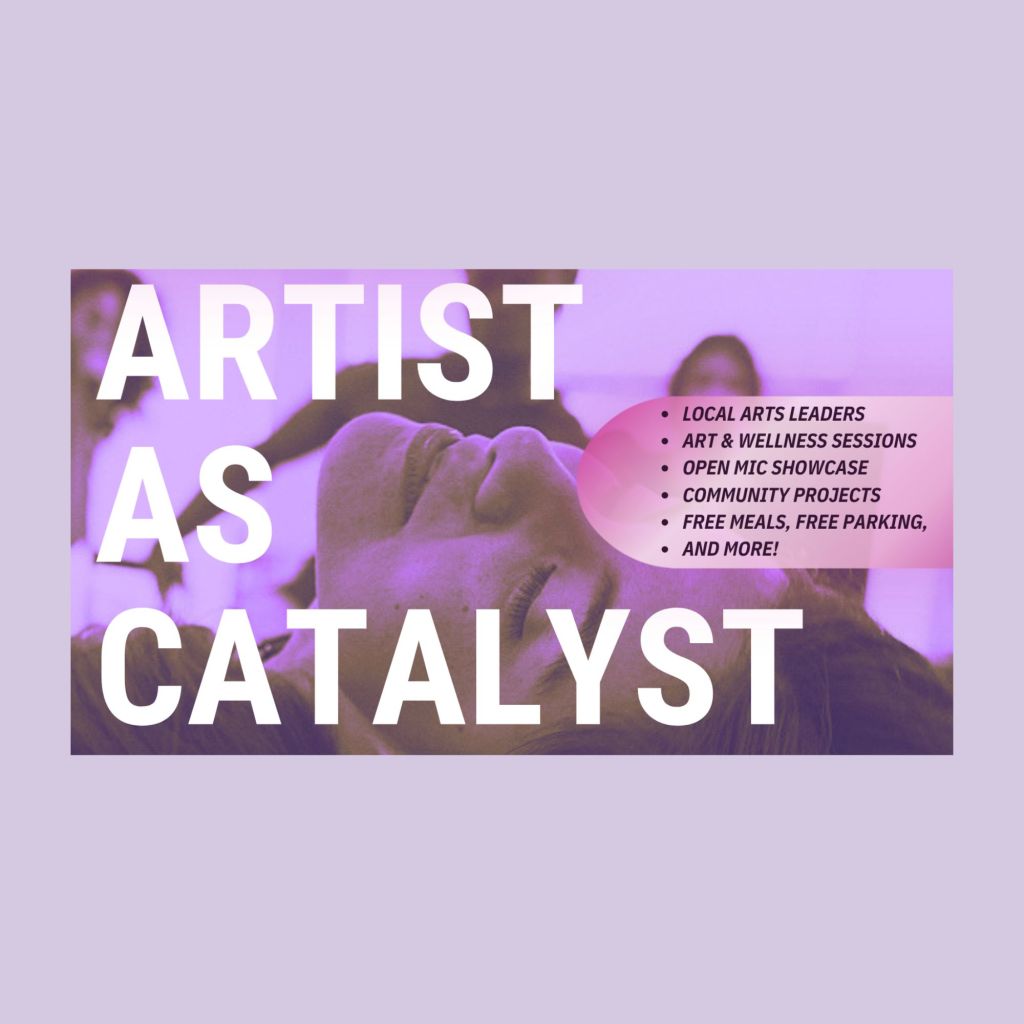
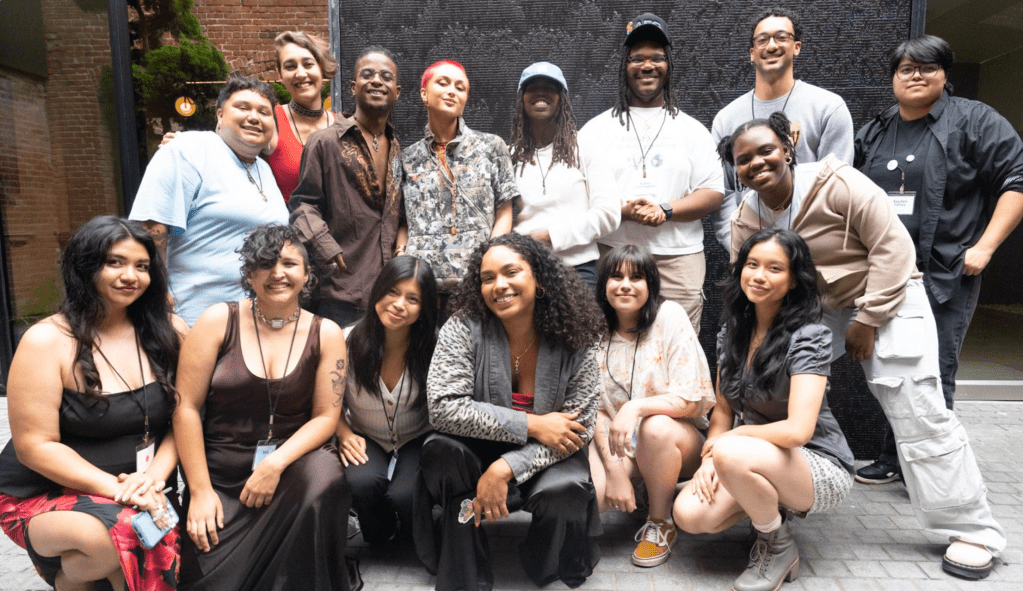
    Artist as Catalyst (AAC) is a regional initiative created by The Peace Studio, intended to provide young creatives (aged 18 – 30) with networking opportunities and the resources to “use their craft in the service of peacebuilding.” AAC is a three-day immersive experience that assists new artists and creative leaders across multiple disciplines in finding their voices.

    In the AAC program, participants will “engage in a unique blend of workshops, keynotes, collaborative labs, and community events… With city-specific creative direction and cross-cohort follow-up support, AAC fosters a new generation of artist-leaders using story to shift culture and activate change.”

    The program is also a fully funded experience and provides free meals and parking for its participants.

    Program dates: June 12 – 14, 2026

    Location: Santa Monica, CA

    The application priority deadline is May 8th and the final deadline is May 15th.

    To learn more, follow @The_Peace_Studio on Instagram and sign up for the Newsletter to receive the most up-to-date news on program opportunities.

  • I Testified for Conversion Therapy Survivors

    I Testified for Conversion Therapy Survivors

    Subscribe to continue reading

    Subscribe to get access to the rest of this post and other subscriber-only content.

  • Pillion Review: When Heartbreak is the Greatest Torture

    Pillion Review: When Heartbreak is the Greatest Torture

    Director and writer Harry Lighton depicts a universal toxic relationship dynamic through the guise of a queer BDSM romance film.

    By Maxwell Fong

    Rating: 5 out of 5.

    After premiering in the U.K. four months prior, I was really looking forward to seeing Pillion with my friend Malik, whom I had not seen since September. He showed up in a T-shirt and jeans, coming directly from work, but also donning his chain and padlock necklace, as well as a drawstring bag with the rubber pride flag embellished on it. When we walked into the theater, we saw others wearing leather jackets and pants from Mr. S Leather. It was evident that this was a much-anticipated movie by the BDSM community.

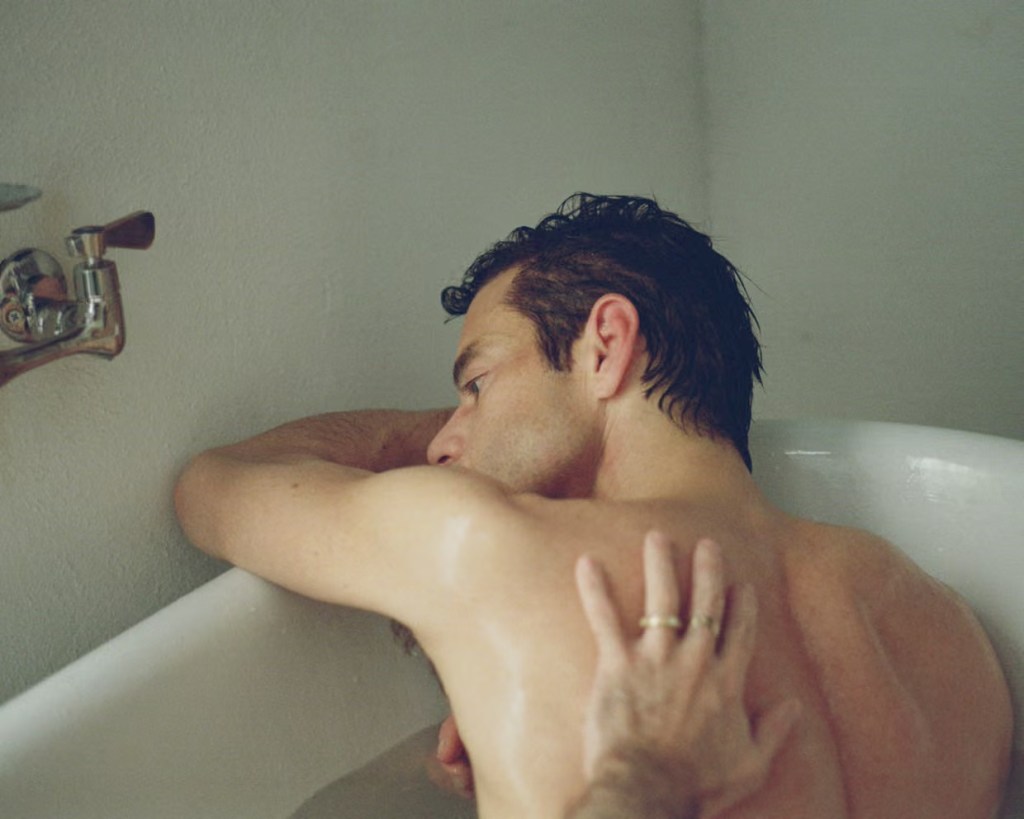
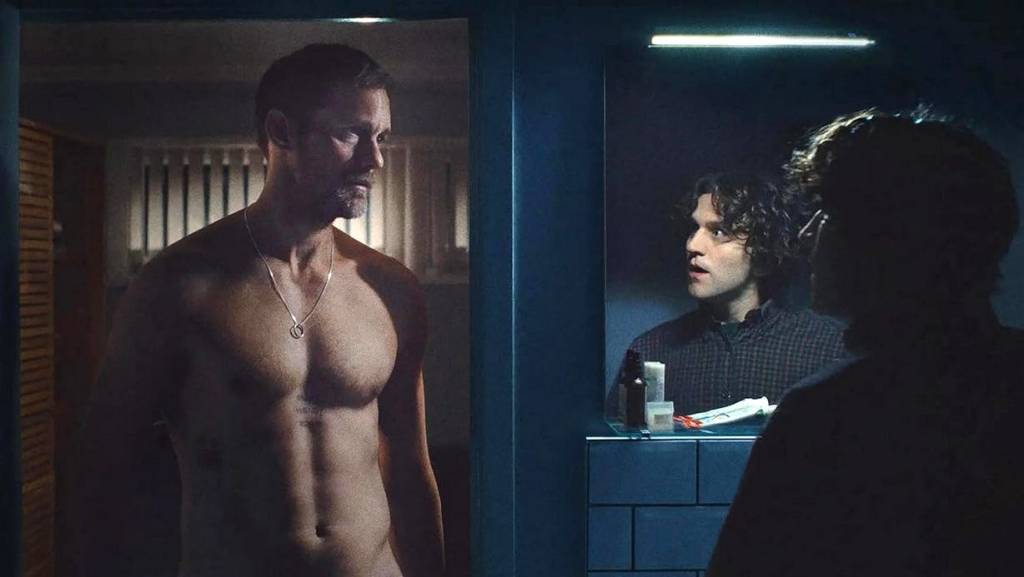
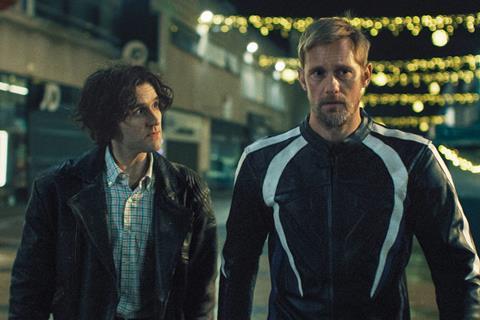
    Pillion is a film adapted by Harry Lighton from the 2020 novel Box Hill by Adam Mars-Jones. Colin (played by Harry Melling), a meek wallflower beloved by his parents, falls head over heels (or leather boots, rather) for Ray (played by Alexander Skarsgård), a prepossessing and possessive biker dom. As Colin comes to actualize his identity and discover his desires, he also has to grapple with his mother being terminally ill and Ray being emotionally unavailable.

    This film was phenomenal and captivating from start to finish. Even though the film was marketed as a “BDSM rom-com”, the story is that of self-discovery at its core, which is told through a toxic relationship presented through a BDSM lens. It is ultimately a story about Colin’s growth as a young queer person and Ray’s inability to open up emotionally. Because the core story works, everything else falls into place and enhances and texturizes the story. The sex scenes and motorcycle jackets (or as Little Mix would call them, “motorbike”) are not just for fluff and theatrics, but rather important turning points for their relationship dynamic. The narrative arcs and character traits are set up perfectly and intentionally, and I loved the pacing of most of the film; the only thing I would nitpick on is how clunky the ending felt.

    Both actors were amazing in their roles. Obviously, Melling had the bigger part to play, and the range he showcased alongside the emotional journey of Colin was fantastic, from desperation to grief to rebellion to adoration. To my delighted surprise, Skarsgård was able to convey so many subtle emotions, even as an emotionally constipated, stoic authority. In a sense, Ray is also discovering what he actually wants and needs, like Colin, except he has no emotional resilience. Colin and Ray’s relationship is nuanced and fluid, and not being afraid to dwell in that grey area and blurred boundaries is what makes this film so great.

    This muddy relationship dynamic is one that I have rarely seen encapsulated on film. As a young queer person, Colin’s worldview has been set up by his parents and their understanding of queerness, as evidenced by an arranged date by his mother in the beginning. Ray shows up and opens Colin’s mind (and hole), and eventually goes as far as defending their relationship in front of Colin’s parents, which is my favorite scene of the film. Ray says to Colin’s mom at the dinner table: “Deciding that what makes you comfortable is bad for your son.” On the one hand, Ray is absolutely right in calling her out on conforming her son to her expectations, but on the other hand, Ray is using Colin’s trust and the foil of progressivism to treat him poorly, refusing to tend to Colin’s needs and form a romantic connection. Because of Colin’s people-pleasing character and not knowing any better, he ends up settling for scraps and convinces himself that this is what a relationship looks like. This emotional torture is harder than any boot licking and butt fucking he has to endure.

    As Malik and I walked out of the theater, we both reminisced about past relationships we had when we were younger, where the power dynamics felt extremely similar to that of this film. Right when I turned 20, I dedicated my life to someone 15 years older, only to find out his emotions flipped on a dime, and he was unwilling to give the same dedication and understanding back. Malik also brought up that he was in a situation with a dom similar to Colin’s when he was still inexperienced and new to the kink world. He then talked about how for most gay men, there is a second coming of age as an adult, where we navigate life outside of heteronormative standards. We don’t have a roadmap or understanding of what healthy relationships look like growing up. Our self-esteem and identities are often not discovered or innately internalized, but based on the perceptions of the good and bad people we encounter. I can understand how this film can be an uncomfortable watch for those who have not experienced this kind of toxicity, but unlike the leather biker gear Colin and Ray are dressed in, relationships are never black and white, are they?

    I also found the film’s depiction of the BDSM community to be quite faithful and accurate, from the fetish camping trip to Ray’s somber piano playing. (Why are so many kinksters also amazing musicians anyway?) According to Lighton, he reached out to the Gay Bikers’ Motorcycle Club in London for consultation and later hired its members as extras to make the film feel as authentic as possible. Despite Ray’s community not being verbally highlighted in the movie, it created a backbone for forming Colin’s autonomy and became a driving factor and motivation for Colin to advocate for himself through his interaction with Kevin (played by Jake Shears of Scissor Sisters). It’s refreshing and touching to see the BDSM community represented in an empowering and inclusive manner. In a film filled with hard cocks, hard emotions, and hard truths, these glimpses of communal bonding are full of tenderness and hope.

    Any kind of relationship can be flawed and messy, and the film owes it to nobody to portray the ideals of what a healthy BDSM relationship should look like, even if it hints at it in the end. Because of its flawed nature, I believe this film has struck a huge chord with gay male audiences, especially those in the kink community, and will become an important mainstream film in the queer cinema canon. As I said goodbye to Malik in the parking garage, I knew he would be safe in the community he had found for himself until the next time we met.

  • Asia and the Rise of LGBTQ+ Openness

    Asia and the Rise of LGBTQ+ Openness

    There is no shortage of negative news surrounding the LGBTQ+ community as of late in the United States, with the community being targeted with healthcare and history rollbacks. Fortunately, amidst all the negative news we may be overwhelmed with, there are still some positive developments to highlight, a lot of which are in a continent not often featured or discussed when it comes to LGBTQ+ issues: Asia. 

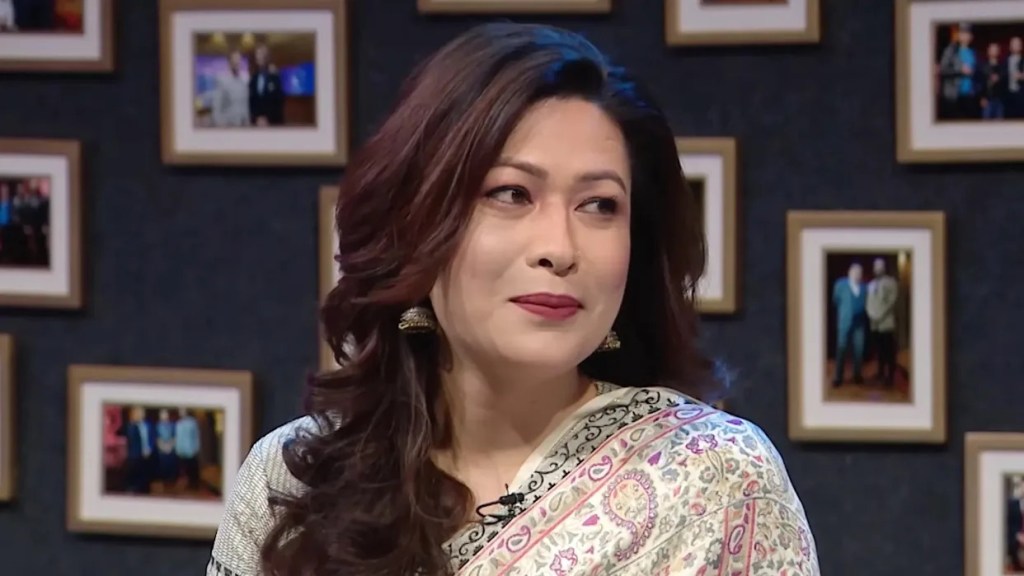
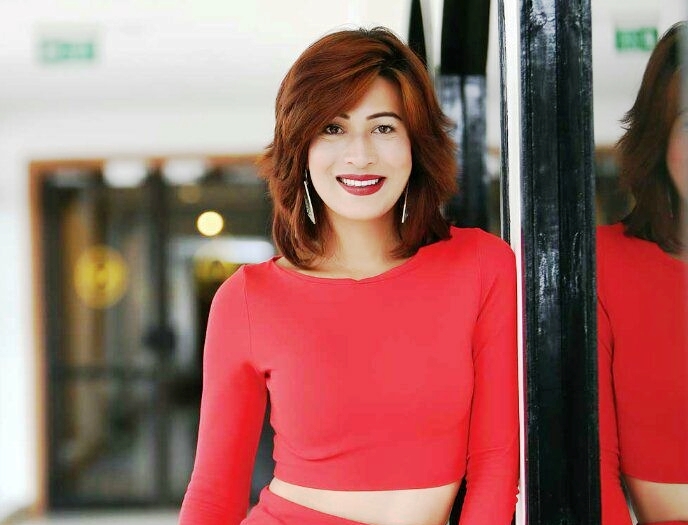
    Nepal elects its first transgender woman lawmaker.

    Nepal’s first transgender lawmaker, Bhumika Shrestha.

    Nepal has been heralded as one of South Asia’s most progressive countries in terms of LGBTQ+ rights and protections. Over 900,000 Nepalese identify as being sexual minorities, and earlier this March, Bhumika Shrestha was elected as the country’s first transgender woman lawmaker. 

    Nepal’s Election Commission confirmed the 37-year-old LGBTQ rights advocate’s victory following the Rastriya Swatantra Party (RSP) landslide victory in the March 5 general election. The RSP won 182 seats out of the 275 available in the Nepalese House of Representatives.

    “I am very excited but also feel the responsibility on my shoulders,” Shrestha said.  “Our constitution has provisions for our community, but they have not translated to laws and policies. Our community expects me to raise our issues [in parliament].”

    Blue Diamond Society, one of Nepal’s largest LGBTQ+ rights organizations in Nepal, established in 2001, hailed Shrestha’s election. Blue Diamond Society’s president, Umisha Pandey, said this was “historic.” 

    “Our pains, our sufferings, our feelings, our stories, and our every problem is only understood by us, not by others,” Pandey said. 

    Despite its progressive laws for LGBTQ+ individuals, an openly queer lawmaker hasn’t been elected to public office since 2008. 

    India elects its first openly queer lawmaker ever 

    Just south of Nepal, India has had a more contentious history with LGBTQ+ rights and protections. However, during the March 16 election, Menaka Guruswamy was elected as a Member of Parliament, making her the first openly queer woman to be elected in such a role. 

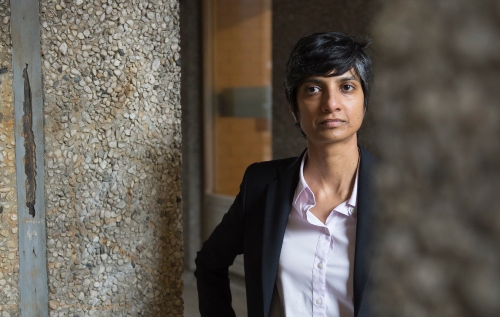
    India’s first openly queer member of parliament, Menaka Guruswamy

    A constitutional lawyer educated at the University of Oxford, Harvard Law School, and the National Law School of India University, Guruswamy has been one of the leading voices of democratic and civil liberties in India. She is a member of the Trinamool Congress (TMC), a political party that has long focused on improving women’s political representation. 

    Malavika Rajkotia, a fellow Indian attorney, said that Guruswamy’s victory signaled a new wave for leaders who are “fearless, intelligent, and inspiration.” 

    “They stand against toxic crude masculinity that defines present-day politics,” Rajkotia said.

    While other openly queer politicians have been elected to roles at more local or regional levels, this is the first instance in which an LGBTQ+ voice has been added at a national level. 

    Guruswamy and her partner, fellow attorney Arundhati Katju, were instrumental in having the Supreme Court strike down India’s 158-year colonial law criminalizing same-sex relationships in 2018. 

    Taiwan gears up to host the 2026 Kaohsiung Asia Pride Games.

    This April 30-May 4, Kaohsiung, Taiwan is set to host Asia’s largest queer multi-sports event. Taiwan’s second-largest city after Taipei, Kaohsiung, has hosted these games since 2023 and includes sports for queer athletes such as volleyball, tennis, swimming, bowling, and basketball. The Games will be jointly hosted by the Kaohsiung City Government to promote diversity, equity, and inclusion alongside athleticism. There are planned to be over 1,000 athletes participating in these sporting events. 

    Taipei will also host the country’s largest LGBT+ Pride event in October, which brings in over 150,000 attendees and is the largest Pride event in all of Asia. Taiwan has also been named one of the 26 best travel destinations for LGBTQ+ people by TravelPulse. 

    Progress, But More to Be Done

    What we are seeing in Asia is a greater championing of LGBTQ+ voices and greater visibility in all levels of government and culture. But there are still tremendous obstacles ahead. Japan, for instance, recently elected its first female Prime Minister, but Sanae Takaichi is staunchly conservative. Though she has said she is “fine” with same-sex partnerships and that “there should be no prejudice against sexual orientation or gender identity,” she has also said she would not support legalizing same-sex marriage. Japan remains the only G7 country not to offer same-sex marriage. 

    Additionally, 21 Asian countries still have laws barring same-sex relationships, and 14 have laws in which same-sex relationships can be punishable with imprisonment. Seven Asian countries still have the death penalty for same-sex relationships. All this is to say, progress is being made in often incremental steps, but it is occurring. 

    In countries large and small, progress, acceptance, and openness can be achieved as colonial laws and attitudes are addressed, activities such as sports events and Pride rallies gain greater prominence, and individuals from the LGBTQ+ community are elected into office.