
Subscribe to continue reading
Become a paid subscriber to get access to the rest of this post and other exclusive content.
Become a paid subscriber to get access to the rest of this post and other exclusive content.
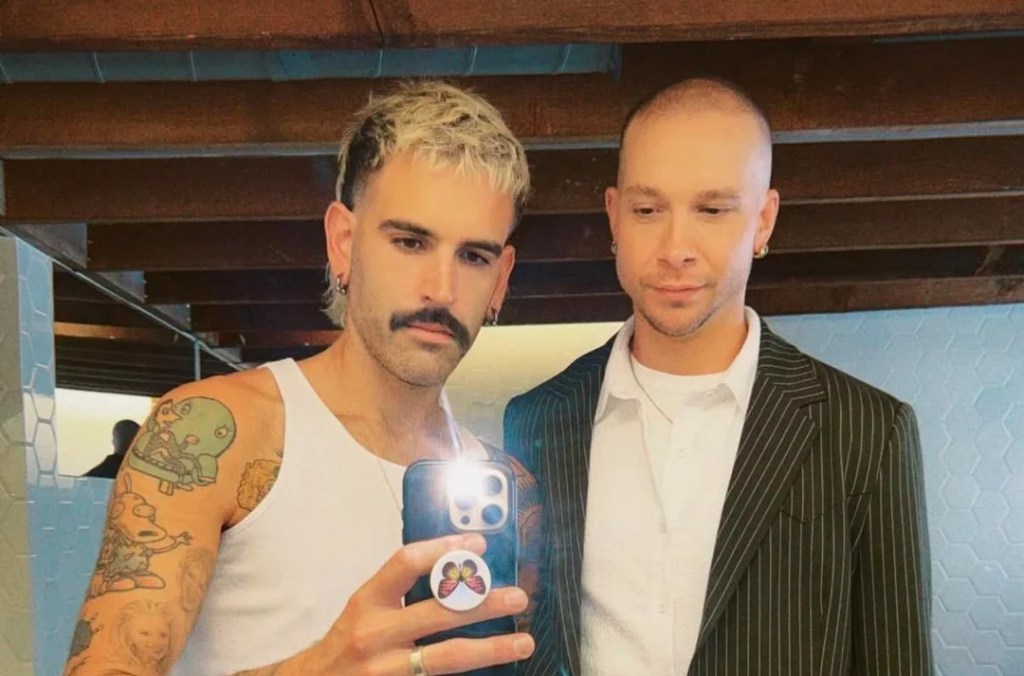
Rupaul’s Drag Race season 18 contestant, Darlene Mitchell, married her partner of 10 years, Branden Marcus, on March 29th, 2026. Announcing the news on Instagram, Darlene wrote:
“Anyways… it’s WEDDING DAY… TOP 4 AS A WEDDING GIFT WELL YES OF COURSE I DO THINK!”
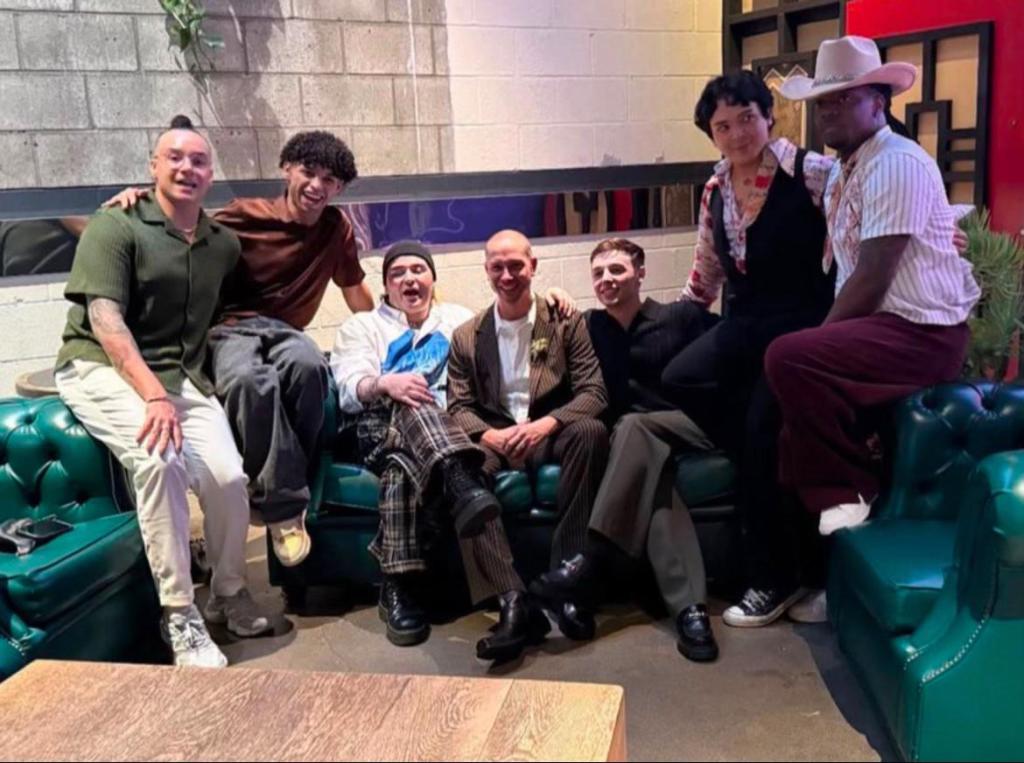
The couple celebrated with several of Darlene’s fellow drag race contestants attending the ceremony, such as Nini Coco, Juicy Love Dion, Jane Don’t, Mia Starr, Vita VonTesse Starr, and Briar Blush.
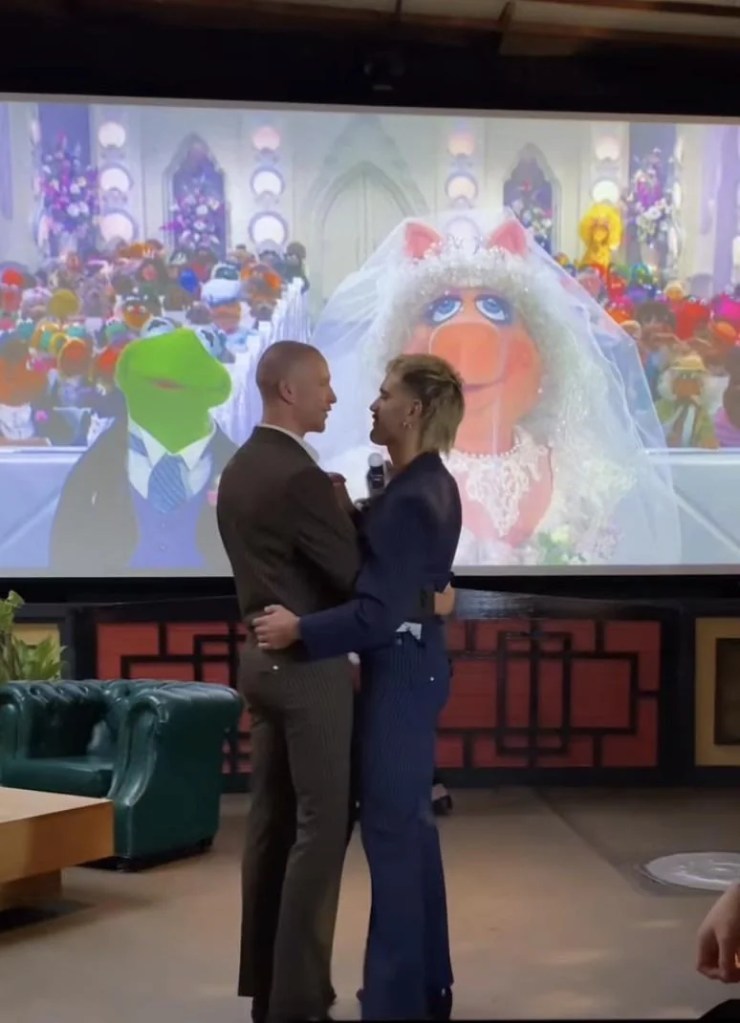
Darlene’s strong sense of humor was ever-present at the ceremony, the couple performing their first dance to “Time After Time” by Cyndi Lauper while an image of Kermit the Frog and Miss Piggy (a scene from Muppets Take Manhattan) was projected behind them.

Last year, I wrote a top 5 list for my favorite makeup products. While I still stand by that list and use a handful of those products regularly, they vary greatly in cost from a $10 Colourpop Glitter Gel to a $40 Anastasia Beverly Hills Contour Kit. On top of that, I’ve discovered several new products since then and decided it was time for a new list, this time focusing exclusively on more affordable products that can be found at any drugstore!
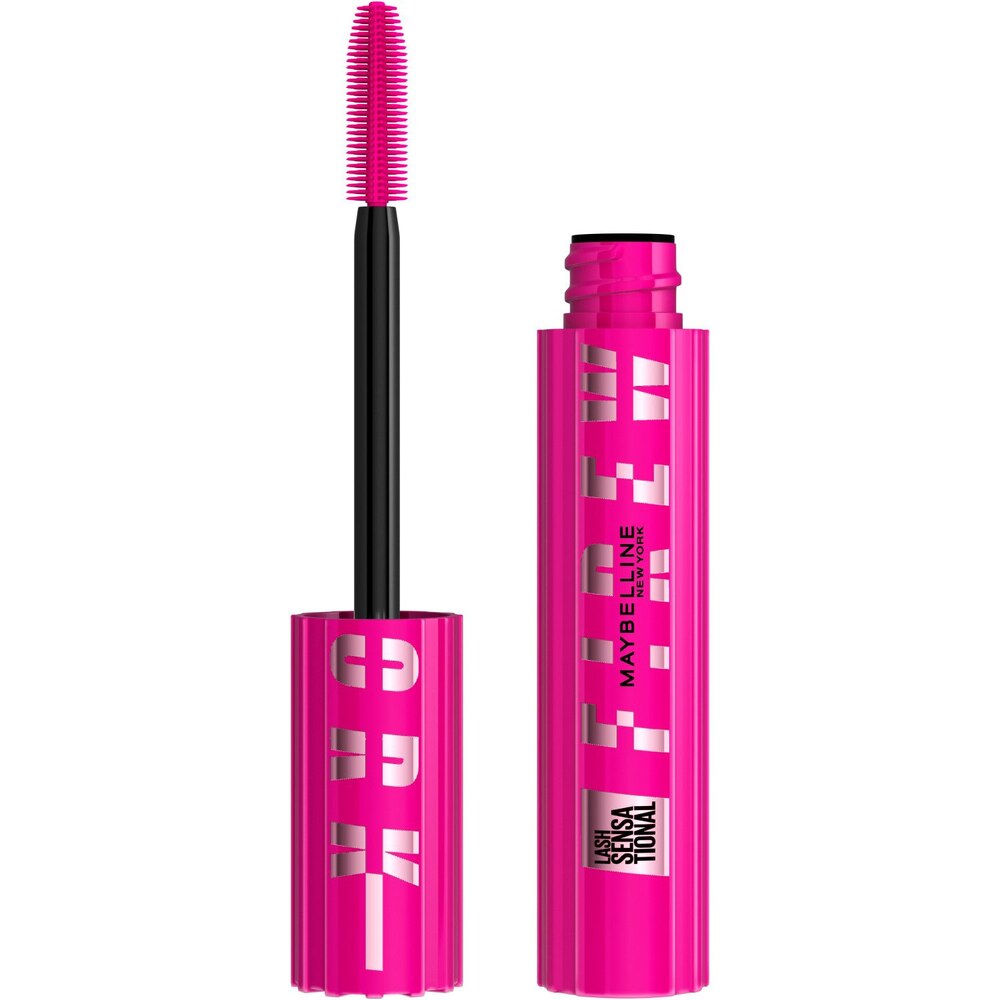
Available at Target, CVS, Walmart, & More – $12.99 (lasts up to 6 months)
Starting off this list is a product I discovered recently when I searched for an affordable mascara on Target.com and sorted by the highest rated. This Maybelline mascara has an impeccably high rating average, and after using it myself, I can tell why. Upon first application, it left my lashes long and dark. I opted for the waterproof option too, so it dries quickly and doesn’t leave any marks on my upper eyelids when I blink (something I can’t stand in other mascaras.) The waterproof element is insanely effective to the point that I can’t get away with using my typical face wash and need to use additional makeup-removing products! So it is as waterproof as a mascara can possibly be!
The one critique I have is that it’s definitely more of a lengthening mascara than a volumizing one, despite being advertised as both. I think it works best when paired with volumizing mascara. That said, I have been using this as my everyday mascara ever since I bought it a month ago. It’s quick and easy to apply, dries fast, and makes my lashes strikingly dark and long.
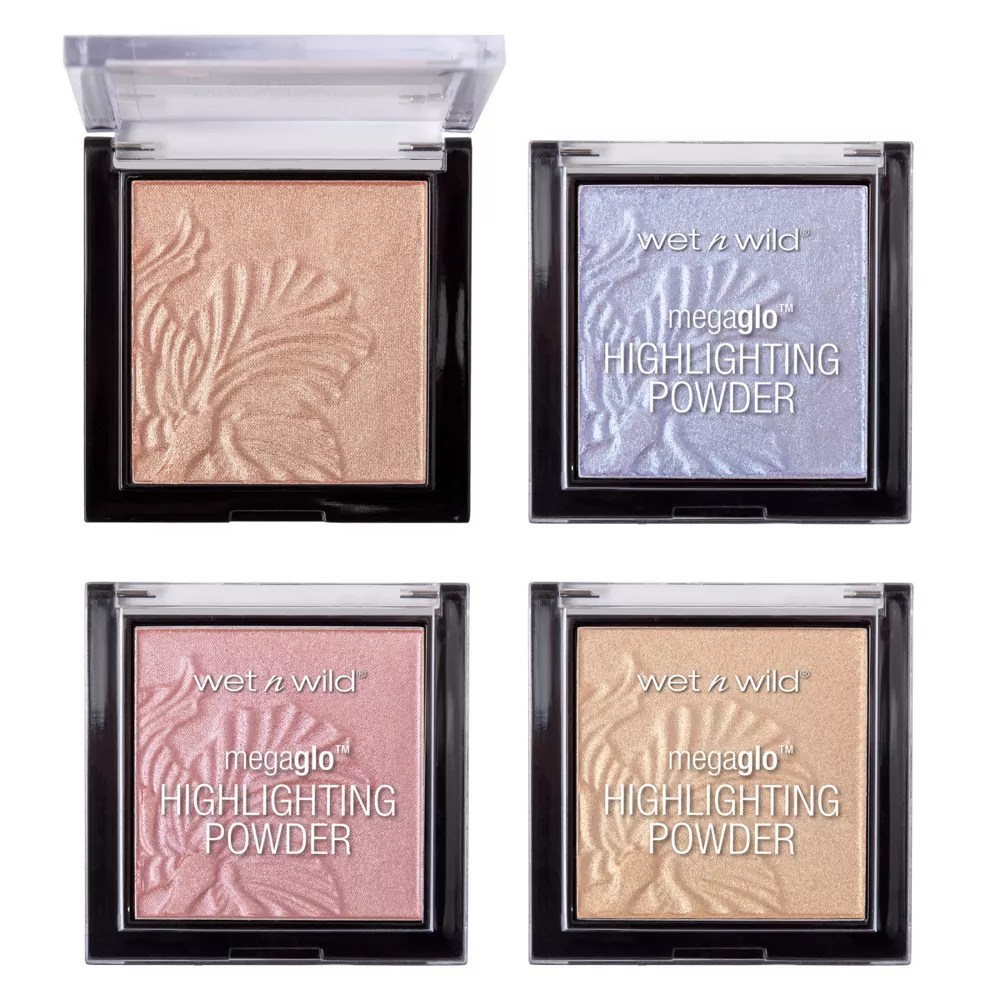
Available at Target, CVS, Walmart, & More – $6.29 (1-2 years)
This is the perfect highlighter for a soft, subtle shine. It’s buildable so you can adjust the shine to your liking. Just like the Maybelline mascara, this has become a part of my everyday routine. While this can be used in drag, I sometimes prefer a more striking, icy color, a shade they don’t offer with this highlighter. But for a more casual look, this has been a perfect product.
Available at Target, CVS, Walmart, & More – $8 (lasts up to 6 months)
I have been using this concealer for years, ever since I first started experimenting with makeup back in 2021. It’s a great, buildable concealer for both everyday and drag makeup. The coverage is unmatched, it’s such a great price, and it comes in such an extensive shade range, so whenever I have done makeup on someone else, this is the product I always come back to.
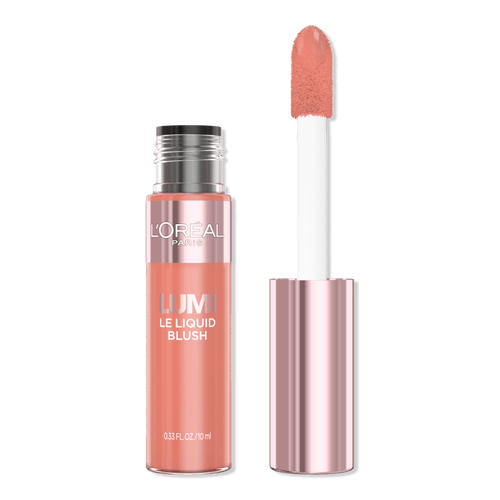
Available at Target, CVS, Walmart, & More – $10.49 (lasts up to 1 year)
This is a recent discovery of mine and I am truly obsessed. I had never used a liquid blush before, but like several other products on this list, it became my standard everyday blush (using two dots on my cheeks and blending them out), though I’ve used it for drag now too (using three dots for a more intense look). While I still enjoy and use powder blush, I just love how the color of the liquid blush builds, how it blends out so easily, and how long it lasts.
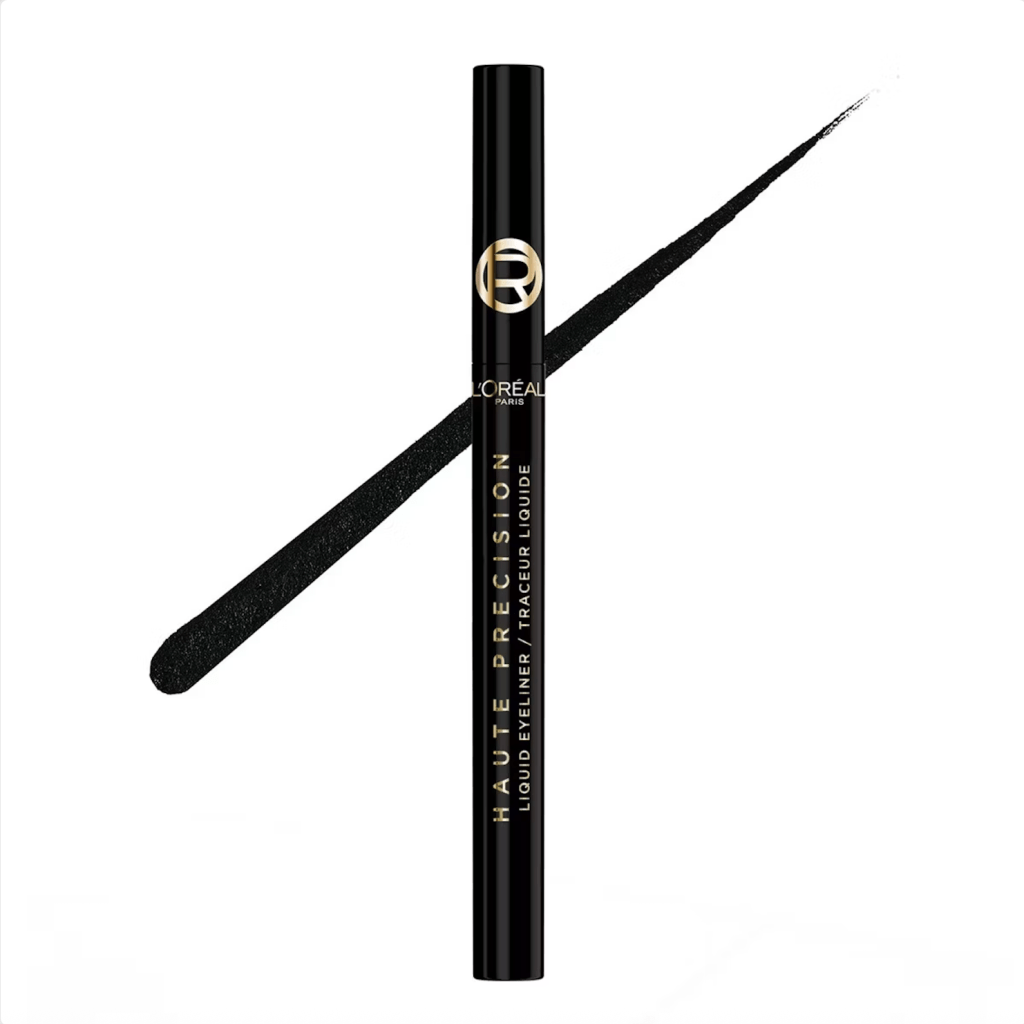
Available at Target, CVS, Walmart, & More- $13.99 (lasts up to 6 months)
This L’Oreal Paris liner is another top-rated Target product, and I would put it right alongside the Stila eyeliner from last year’s list. It’s incredibly dark and precise. It glides so effortlessly on my eyelids, making it incredibly easy to paint on a clean, sharp wing. I use it every single day and will definitely continue to use it in the future as a cheaper alternative to the Stila liner.
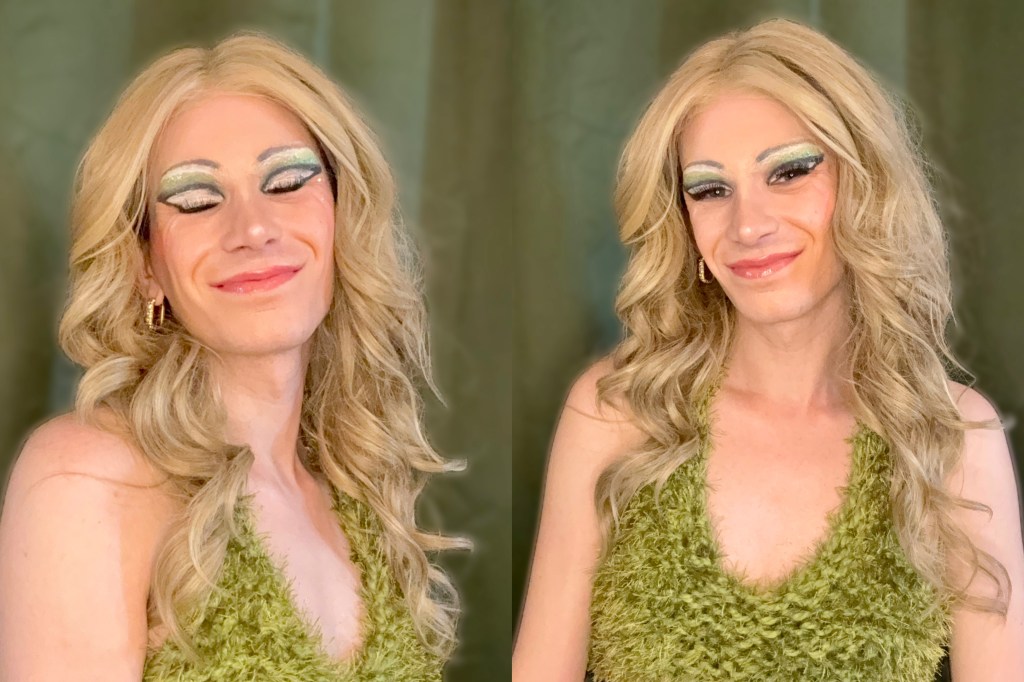
And thus concludes my list of my top 5 drugstore makeup products! As a beauty concierge and drag queen, I am always on the hunt for new makeup finds and hidden gems. These products are effective, affordable, and best of all, versatile. No matter the amount of makeup you are interested in wearing, there is something here for you on this list.
Subscribe to get access to the rest of this post and other subscriber-only content.
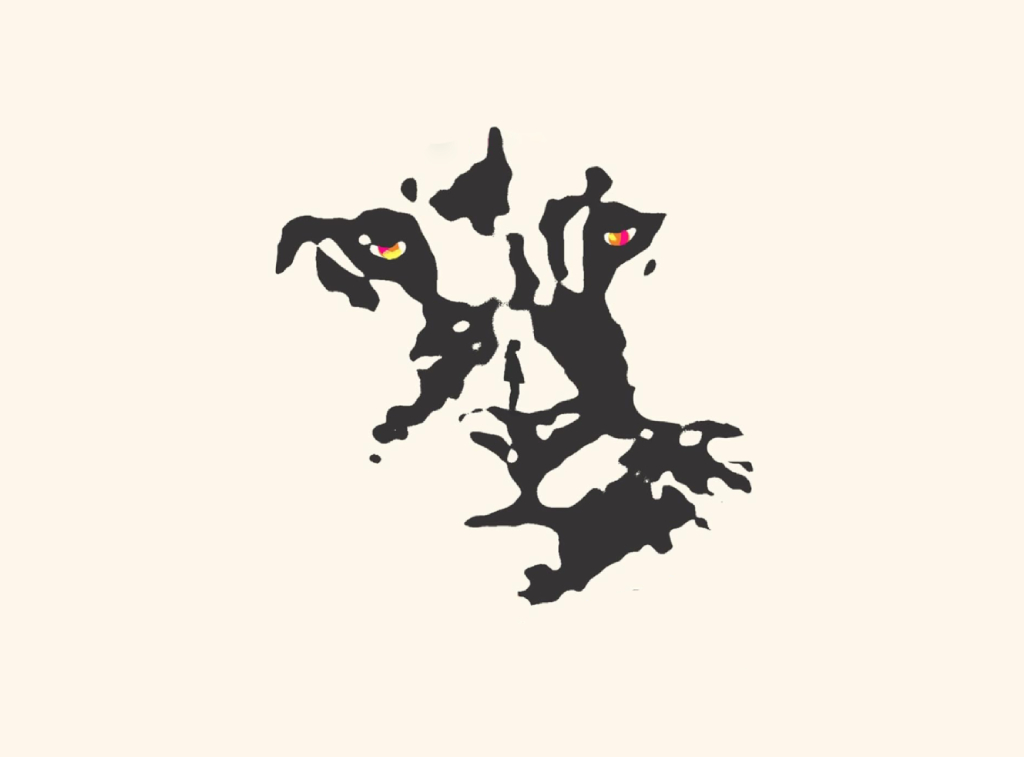
We seem to be in something of a Renaissance with queer media (Heated Rivalry, The Emperor of Gladness, and Pluribus to name a few), which is more essential now than ever if you ask me, but I wanted to take a moment to spotlight a queer story that’s a little less known and a little stranger, told from a mountain lion’s point of view.
Immediately after I finished reading Henry Hoke’s 2023 novel Open Throat, I thought to myself, “This may be the best queer story I’ve ever read.”
Open Throat follows a queer mountain lion on the prowl in Los Angeles. This lion spends its days observing humans and their strange ways of life. After a fire forces this lion to come down closer to the city from the hills, new temptations and threats emerge, and the feline begins to question whether they want to eat a person or become one.
When I first read this, I was immediately hooked, though a bit skeptical. Maybe this was just a case of “all flash, no substance” storytelling. However, in reading Open Throat, I found myself deeply resonating with this lonely feline.
In discussing the origins of Open Throat, author Henry Hoke said, “I was catching up with the real mountain lion, P-22, who was an L.A. celebrity. There was a Nick Cave song where he talks about a cougar in the Hollywood Hills, and that just sparked something in me… I felt kind of displaced and strange in Los Angeles the whole time… Instead of actually looking in on the cat I decided to just take a couple months and inhabit the fictional headspace of the cat and do a monologue of my experience of L.A., but as a mountain lion.”
As for the queer perspective and trans experience exhibited within the story, Hoke said in a separate interview, “It was very close to myself, an expression of deeper aspects of my own character, so I didn’t have any trouble there; I just had to meditate and tap into those inner fires.”
But what is it about Open Throat? How does this LA-dwelling solitary mountain lion tale stand head and shoulders above other similar stories about queer identity and the trans experience? There are a few key aspects that stood out to me.
For starters, there is the setting. Often, members of the LGBTQ+ community feel compelled to live in larger cities, if not purely from an economic or cultural perspective, but out of a need for safety. Rural or less densely populated areas of the United States historically tend to skew more conservative and have harsher legislation, which in some cases even targets members of the LGBTQ+ community. The unnamed mountain lion in Open Throat is driven to LA and specifically into more densely populated areas. Through this change in setting, the lion details isolation and loneliness in a new place, all while simply seeking companionship. This is an experience we may individually feel when moving to a new place, and even more so if we feel forced to move.
Next, there is the sheer strangeness of the story. This may be a purely “me” belief, but what is often glossed over in more mainstream queer books is the removal of the uniqueness of being part of the LGBTQ+ community. As a queer man, there are quirks I’ve discovered over the years about myself and other friends and family members within the community that aren’t often outwardly addressed. From emotional reactions to different events in life, to gravitating towards different people, to general interests, and vernacular and slang, let’s be honest with ourselves, one of the best (but most terrifying parts) about being in this community is the “not normal” quality. Or at least, “not normal” in a modern, western heteronormative socioeconomic culture. It’s “not normal” to read a story through the perspective of a mountain lion who wants to eat a human being and feel close to crying at the end of it (this is no Free Willy or Old Yeller), but critically too, it’s perhaps “not normal” to read a story from this point of view that also doesn’t shy away from the quirks of living and experiencing life in such a body as this.
I feel it’s sufficient to say, as LGBTQ+ people, we each have uniquely queer experiences and, if we relayed those experiences even to the most understanding straight ally, they could question or recoil. A joke about this that I’ve heard is that while women avoid men in dark alleys, parks at night, and parking garages, these are the places gay men actively congregate to seek out men. An example of this “strangeness” in Open Throat reads,
“piss splashes my face and wakes me up/ the sharp smell bristles my fur and my eyes pop open/ I watch the man’s dangling part and the wet pouring from it onto the pebbles in front of me/ the salt covers my lips and I lick it away/ I’m hungry again/ I turn away from the spray and my eyes must catch the sunlight because the pissing man makes a deep noise and clutches his chest and turns before pulling up his pants and he skids on the gravel and falls on his face/ he recovers and runs out of the cave and doesn’t look back/ if he looked back he’d see me not chasing/ not moving/ he’d see me not giving a fuck/ I’ve been pissed on before/ I stand and leave my cranny and sniff his puddle and straddle it and piss and the puddle gets larger/ I can smell his fear/ I walk over to where he fell and paw the frantic marks he made in the gravel and I think/ what it would be like to hunt him.”
There’s a great deal to unpack here (potential kinks and fetishes, past experiences with such bodily functions from oneself and others), but the one I want to focus on is right at the end. After this degrading act is done to our narrator lion, their thought goes to thinking about hunting them. Through this story, we understand that this has a double meaning. For a mountain lion, there is the literal hunting aspect of stalking and killing this man, but in a more metaphorical sense, there’s also a desire for the pursuit of such a target. Why do we so often find ourselves pursuing those who have scorned us?
Finally, there is the trans experience. At the start of Open Throat, our narrator says, “I’ve never eaten a person but today I might.” From a predator pursuing humans to, by the end, wishing to be a human themselves and feeling uncomfortable in their furry, feline skin, our protagonist goes through an identity crisis. They begin to relate and even sympathize more with the humans that often live in fear or have animosity towards them as wild animals than they previously did. They believe that in the end, they are a human, just a human trapped in a lion’s body.
There’s a genuine desire for connection and community found through the lens of our protagonist, wishing to be recognized as living their authentic self. Perhaps the most essential quality about queer existence is a desire to live as one’s true being—quirks and all. No queer person, no human being, or mountain lion, is perfect, nor is the queer experience a tale of striving for perfection. If anything, the truest queer experience is about coming to terms with our faults, with the experiences we’ve had along the way, and reconciling them with the individual we wish to be and finding those around us who will accept us as us. Perhaps no one, or no thing, has embodied that drive for acceptance more than a mountain lion in the City of Stars.

You may know director Alfred Hitchcock thanks to films like Psycho and The Birds, each of which pushed the boundaries of cinema through their depiction of horror and violence. But before either of these films, Hitchcock pushed boundaries with an equally revolutionary film—Rope.
Released in 1948, Rope very well may be the queerest thriller of all time, thanks in no small part to everything on and off screen.
The film follows a pair of “friends” who decide to commit the perfect murder. They kill their former classmate with a piece of rope and subsequently hide his body in a wooden chest, which is then prominently displayed in their apartment as the two host a dinner party. The tension lies not in whether the murder occurred or who did it, but whether the murderous protagonists can get away with it.
From the onset, Rope is steeped in queer…well, we can’t even call it subtext now, can we? The two friends and former classmates, Brandon and Phillip, share a one-bedroom apartment together in New York City. They decide to kill their prep school classmate, David, with a piece of simple, taut rope. This is done in the opening scene, and the camera lingers on the faces of all three characters, notably David, whose pain in his own death could be misconstrued as almost arousal. All three men are packed closely together, hands across one another’s bodies, to commit this deed.
Throughout the subsequent dinner party, Brandon and Phillip are staged physically close—often shoulders against one another—and discreetly reminisce about the sensations the murder filled them with, along with their superior intellect for committing such a crime.
Brandon says, “We’ve killed for the sake of danger and for the sake of killing. We’re alive, truly and wonderfully alive.”
Later, he remarks, “I don’t remember feeling very much of anything… until his body went limp and I knew it was over. I felt tremendously exhilarated.”
There are innuendos throughout about not just the pair’s homosexuality, but that of both their murder victim and their prep school housemaster, Rupert, who appears halfway through the film. Brandon notably says, “I’m not interested in Janet’s prattle, but you always interest me, Rupert.”
The innuendos of homosexuality likely flew over Republican James Stewart’s head as the elder intellectual, but they certainly didn’t for others in the cast and crew.
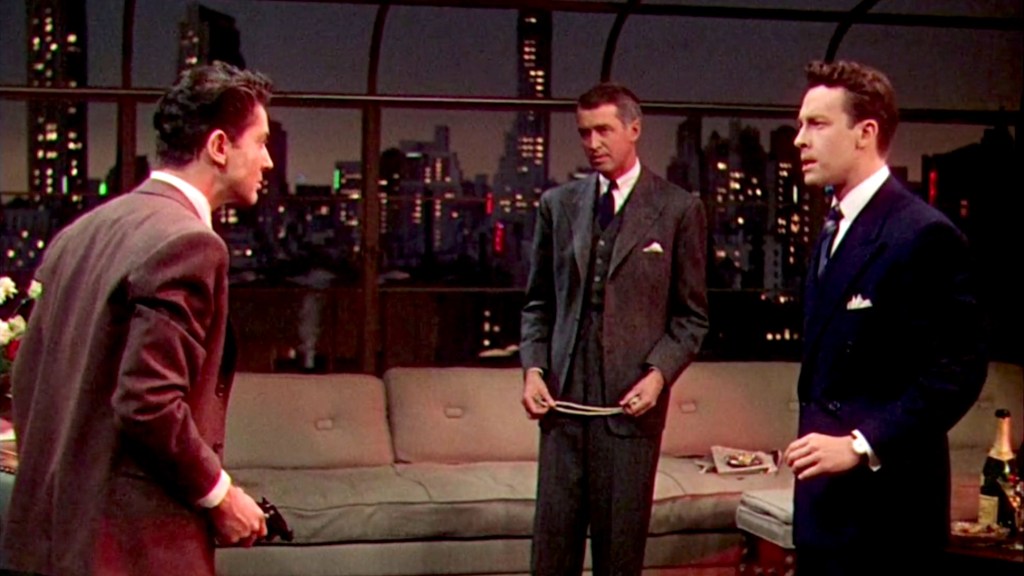
Rope, based on a 1929 stage play of the same name by Patrick Hamilton, was loosely inspired by the real-life murder of 14-year-old Bobby Franks in 1924 by University of Chicago students Nathan Leopold and Richard Loeb. Leopold and Loeb, having been in a relationship, were determined to murder as a means to tout their “superior intellect” and commit the “crime of the century.”
Hamilton himself was a closeted gay man and the screenwriter for the film, Arthur Laurents, was also gay–and one of the few openly gay Hollywood screenwriters in the 1940s. He and Hitchcock had a productive working relationship. Laurents said in an interview with Vito Russo for his book, The Celluloid Closet, “We never discussed, Hitch and I, whether the characters in Rope were homosexuals, but I thought it was apparent.”
Laurents had been drawn to write the screenplay for Rope because his then-lover, openly bisexual actor Farley Granger, was set to star as one half of the murderous duo, Phillip. The other half of this duo, Brandon, was also played by closeted gay actor, John Dall. On top of this, Brandon and Phillip’s murder victim, David, was played by Dick Hogan, yet another gay actor who had previously been with Farley Granger.
In writing the script for Rope, Laurents had a delicate balancing act given that the Hays Code was at its peak in enforcement. The Hays Code was a set of censorship guidelines for the film industry, which barred any “unacceptable” content in films, such as homosexuality. Laurents said, “I don’t think the censors at that time realized this was about gay people. They didn’t have a clue what was and what wasn’t, that’s how it got by.”
Hitchcock, though not initially intent on crafting such a queer film, had begun working on Rope to push back from the studio system which he had been trapped in for years (also using Rope to employ groundbreaking filming techniques to create the illusion that the film was done in one continuous long take). He, in many ways, sympathized with queer artisans and characters.
Hitchcock was more than willing to cast queer actors, wishing to promote and elevate struggling performers who, like himself, wished to push back on the studio system. Stewart, as the most bankable star, was cast to quell censorship concerns and to secure financing. But all the other primary persons associated with creating and starring in the film were keenly aware and eager to showcase queer characters less in a villainous light, but in a complex one.
Laurents and Granger even had a double date with Hitchcock and his wife, Alma. Laurents said of Hitchcock, “He didn’t give a hoot in hell whether I was gay. It tickled him that we had a secret he knew. It was a slightly kinky touch, and kink was a quality devoutly to be desired.”
There were missed opportunities with Stewart’s casting, however. Laurents lamented that Stewart’s character was supposed to be the unwitting, queer inspiration for the murderers. In Laurents’s words his character was, “the head homosexual…Jimmy Stewart? Jimmy Stewart has no sex.”
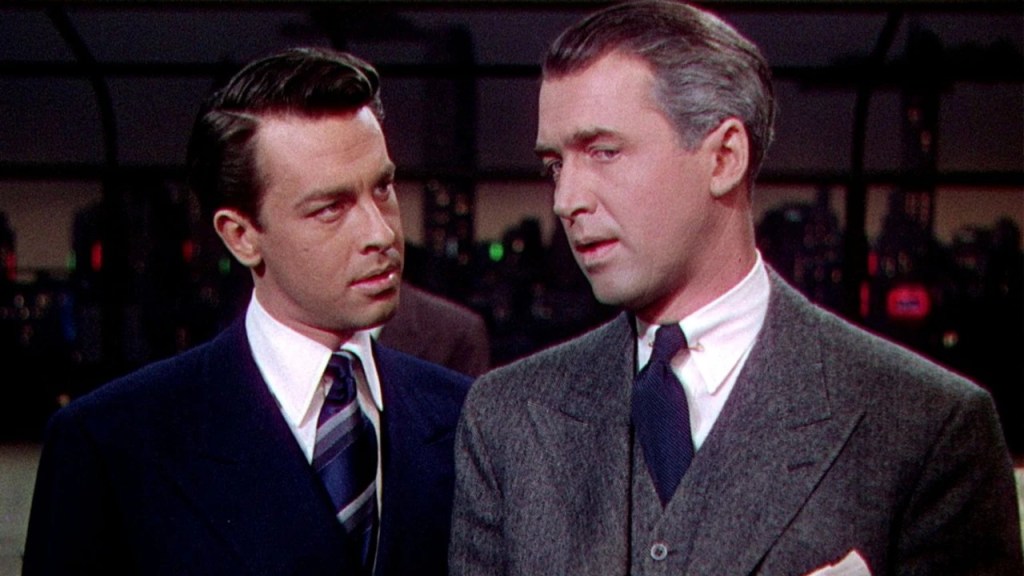
Still, the film carries on with its queer imagery and textual assessment of vice–from smoking cigarettes after murder to stroking champagne bottle necks, all of which can be tied back to the queerness of the story.
Phillip and Brandon are, despite being murderers, the film’s protagonists. As an audience member, one is keenly aware of the malicious deed committed at the onset, but can’t help looking away and being charmed by the murderers. While not necessarily a positive representation of homosexuality, what Rope did was employ queer artisans in a time when punishment for sodomy in California included forced sterilization; Hitchcock crafted a thriller steeped in homosexual undertones, queer history, and evoking tawdry, sensuality between multiple characters.
Most essentially, the film addresses fascist ideology head-on. The murderers commit their crime after having learned of “superior intellect” from their mentor, but by the end, their headmaster rejects this thought experiment that individuals of “superior intellect” can or should dictate the lives (and deaths) of others. Hitchcock had crafted anti-fascist British propaganda during World War II and Stewart had served in the Army during the War. In the end, it’s not the homosexuality of the characters that’s repudiated, it’s their fascist thoughts, which can be held even by members of the larger queer community (I’m looking at you, “LGB without the T”).
Even prior to Rope’s release, the film received backlash and was either banned or severely restricted across such major cities as Seattle and Atlanta. The film was also met with mixed reviews and wound up being a financial disappointment, though not an outright financial failure thanks in no small part to its small, $2 million budget. Since the 1940s, Rope has been reassessed and, while not as appreciated as some of Hitchcock’s other films, has endured because of its bold stylistic cinematography and use of long takes, as well as its queer storytelling and complex depiction of queer characters.
Rope is the queerest of all thrillers perhaps not because it’s the most shocking or graphic of queer stories put to screen, but because of all that was put into the film by its multifaced creators and actors, all that the film says about vice, kink, and ideology, as well as all that the film implies through inventive cinematography and editing.
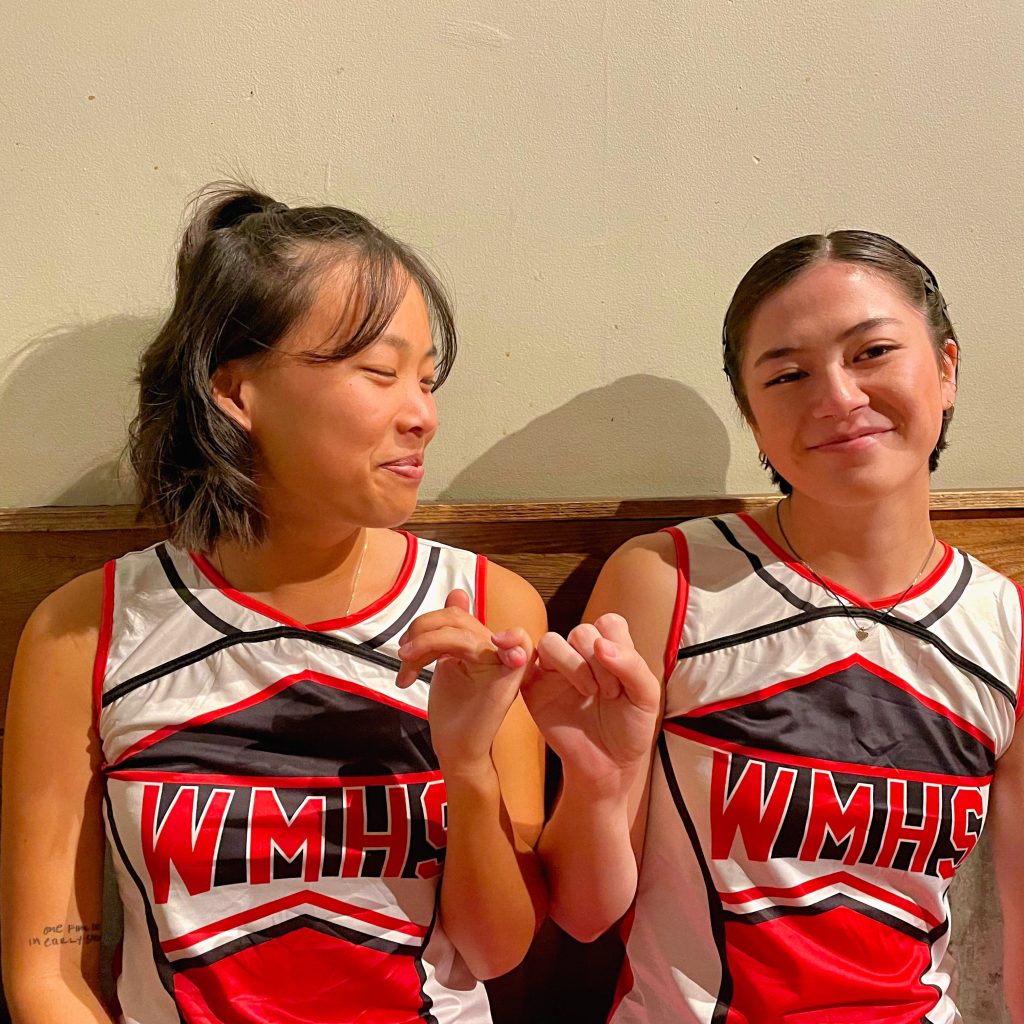
Growing up, I wanted to dress up as desirable. I wanted to trade in my straight eyelashes for curled ones and change my brown eyes to blue. I wanted to grow four inches in height and lose two around my waist. I yearned for wavy hair that framed my face instead of the stick-straight hair I was given. My eyes were wide enough to see, but not wide enough to be seen. I would have traded them in an instant. When I walked into a room, I wanted people to turn their heads to look at me. I wanted to hear it, the rustling of hair against shirt collars. I wanted the air to shift around me so that the music sounded a little clearer and the drinks tasted a little sweeter. All of this yearning and shapeshifting to be liked by boys. Boys who looked straight through me to get a better glimpse of my friends. Boys who made racist remarks about me as a joke, and friends who let it happen. I knew that the costume I wanted could never be bought online. In a world full of tricks, that was the biggest one of them all.
When Halloween rolled around, I was reminded that even on a day where anything was possible, I would never be able to be the one thing I really wanted: an equal. While I didn’t love the holiday, I knew an opportunity when I saw one. Without its quality of childlike wonder, it was a chance to flip expectations on their head. It was the one day a year when the impossible was possible. A nice girl could be a witch and a shy girl could be noticed.
When I fell in love, things began to change. At last, I had caught the feeling I spent my whole life pursuing. The fog of self-loathing cleared, and I looked around, assessing the damage. I was alive, and other than 22 years of mental turmoil, remained mostly intact. I discovered that what made me undesirable was my environment, not me. And I discovered that the feeling I had when I looked at a pretty girl, the one I had almost convinced myself wasn’t real, was, in fact, the thing I had been wanting all along. With this newfound knowledge, I could start over as someone new, someone who dressed up as the character from their favorite childhood movie, for no reason other than for themselves. How strange and wonderful it was to put me first!
Now, Halloween has taken on a new meaning. I no longer have to choose between pleasing others and pleasing myself, because the only person I care about is already next to me, holding my hand. Embracing my queerness helped me to accept many things, some more obvious than others, but I never imagined that a holiday that used to symbolize conformity could return to one of storybook characters and laughter.
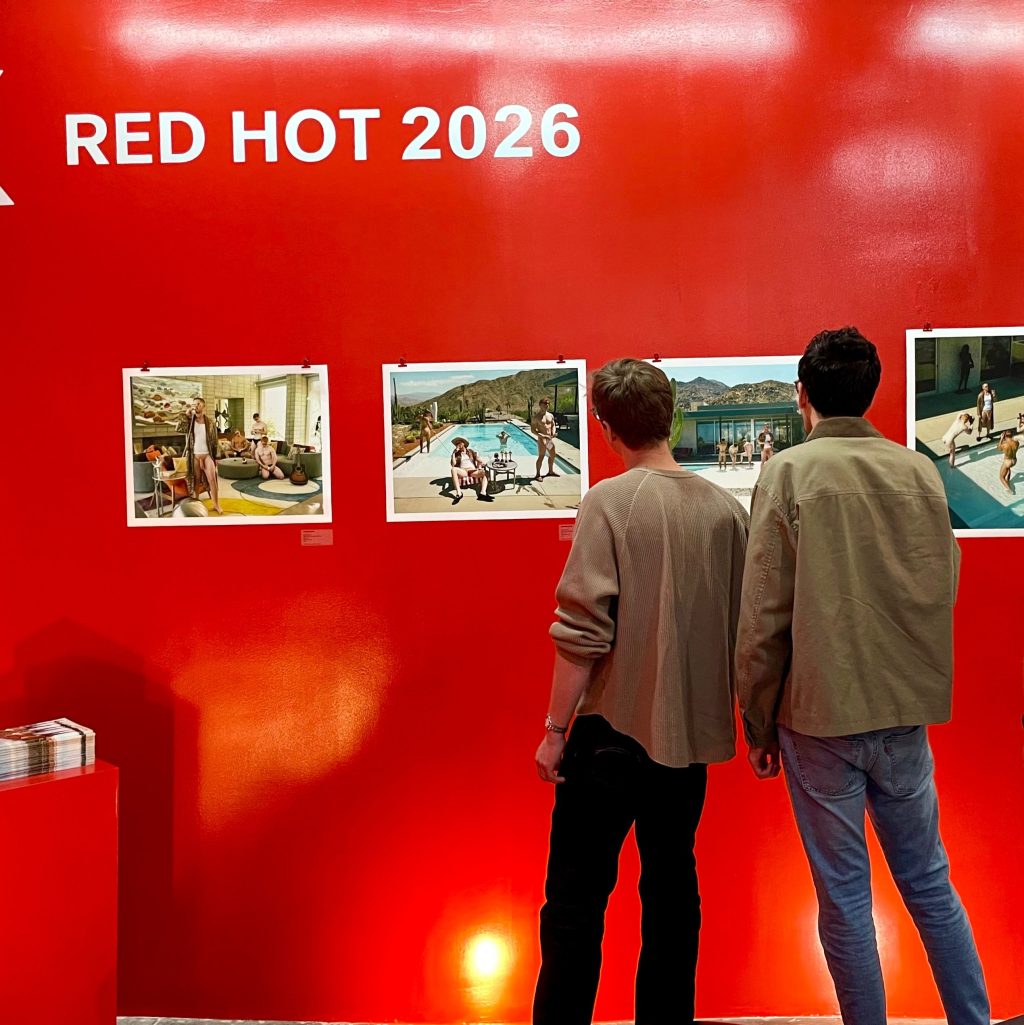
Photographer and artist Thomas Knights, creator of the Red Hot movement–a celebration of red-haired men through photography and film–has a passionate mission to embrace and showcase redheads in visual media while bringing visibility to the queer community.
Hoping to change public perception of redheads and queer sexuality, Knights has taken his movement across the globe. Now, the exhibition is arriving in Hollywood with a brand-new debut at CULTUREEDIT, a queer retail store on Santa Monica Blvd.

Upon entering the gallery, visitors are greeted by a hallway lined with photographs of nude Red Hot models, pictured in New York and California by Knights himself. Spanning from the entrance walls to the main showroom, these photographs capture a playfulness and warmth, portraying these red-haired men as confident and empowered. With many group scenes, Knights depicts a strong sense of community and sexual freedom.


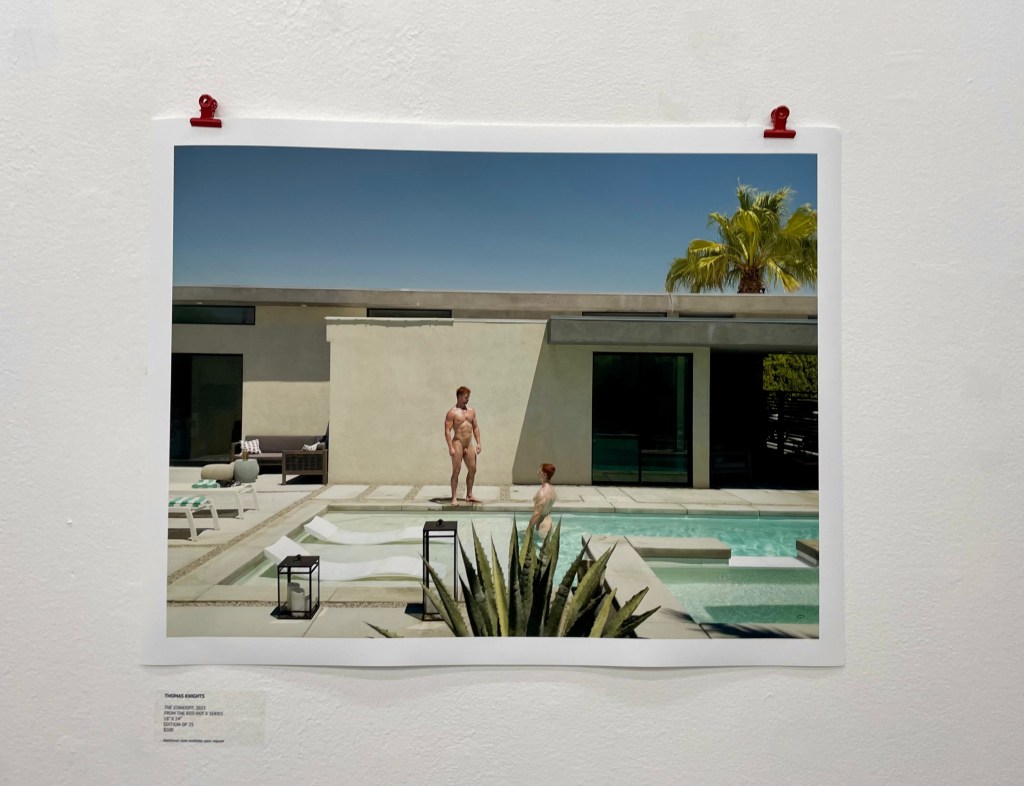
The exhibition runs through November, so be sure to stop by CULTUREEDIT to experience this celebration of queer sexuality and redhead pride! You’ll also find Red Hot merchandise, including jockstraps, mugs, sandals, photography books, and calendars.
Visit the exhibition at 6757 Santa Monica Blvd, Los Angeles CA 90038.

Photography from Halloween 2024 in West Hollywood by Kidmin Bellin and Paul Kneitz
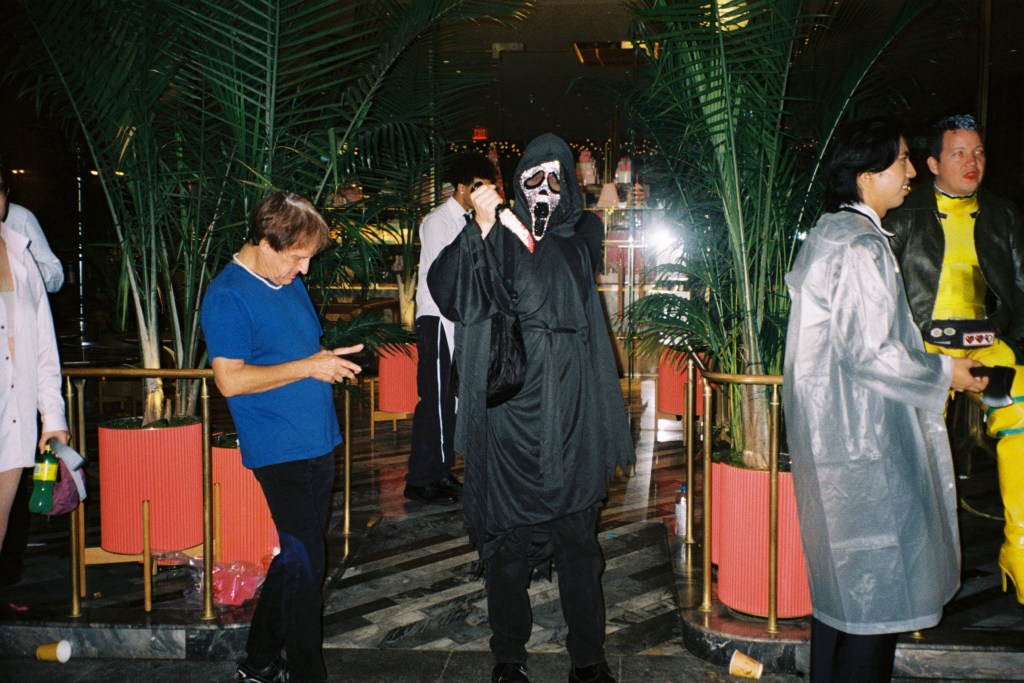
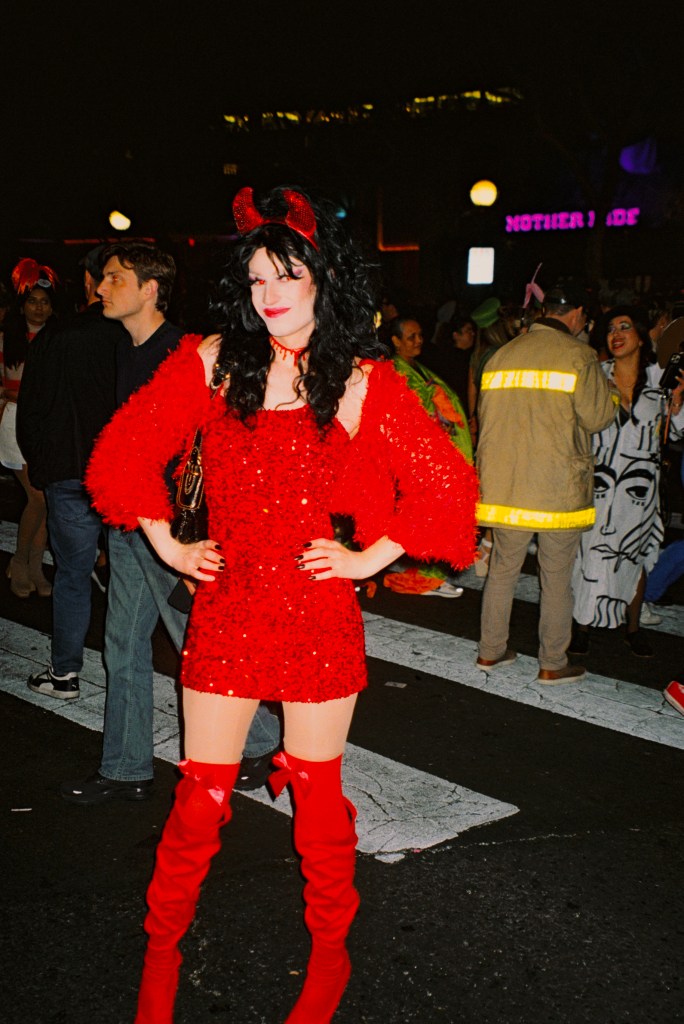


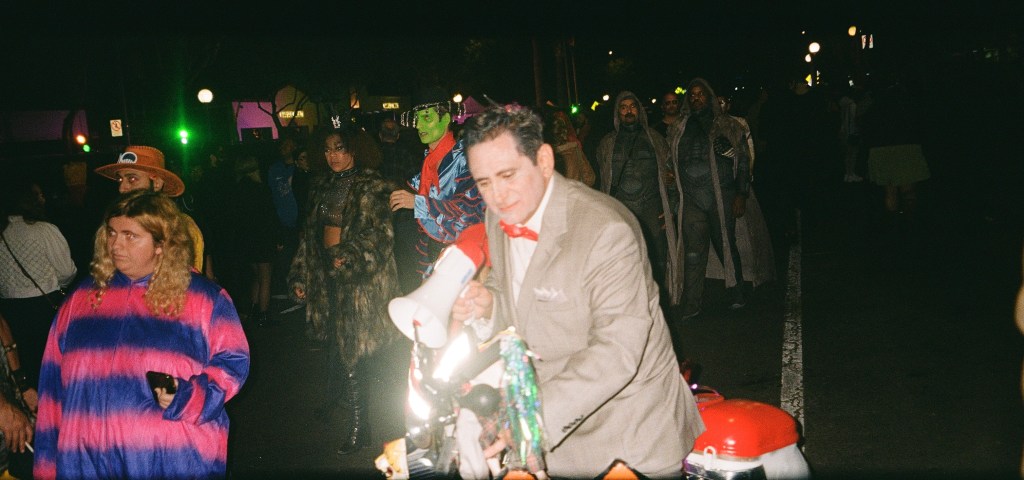
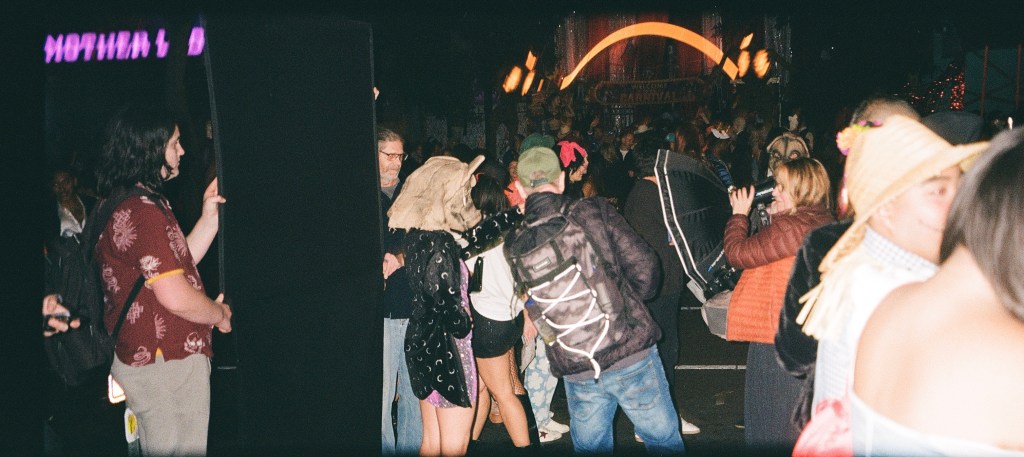

Every year since 1987, a mile of Santa Monica Boulevard has been blocked off on October 31st for the West Hollywood Halloween Carnaval. Thousands of costumed attendees roam the street and bars, enjoying the various food trucks and live DJ set.
My boyfriend and I attended the event for the first time last year. I wore a devil inspired drag look and he went as Ghostface from the Scream franchise.

We arrived around 10 PM, unaware that the event runs from 6 PM to 11 PM. On most nights this wouldn’t be too late, but on Halloween, it was absolutely packed, and every bar had an infinite line. After waiting in one of them for half an hour and hardly moving an inch, we gave up. Instead of bar hopping, we decided to walk around, socialize, take pictures, and admire everyone’s costumes.
While the event may officially end at 11 PM, the crowd certainly didn’t thin out for the next couple hours. We stayed until midnight, only to discover that getting home wasn’t as simple as calling an Uber or Lyft. With the street blocked off and difficult to access, using a rideshare meant walking several blocks away from Santa Monica Boulevard. We headed toward W Holloway Dr and N Horn Ave, waited on the curb, and tried again. Although cars were now available, the prices were sky-high. We wondered if walking even farther, perhaps into a quieter residential area, might help reduce the fare. So we trekked 1.5 miles to Wilshire Boulevard, only to find that the Uber prices were exactly the same!
This year, I plan to arrive between 8 and 9 PM—a potential sweet spot with a lively but less overwhelming crowd. And while there’s no avoiding the steep rideshare prices, at least this time I won’t be hiking 1.5 miles in my heels to try and beat them.

